
One-pot recipes
These one-pot recipes do their real cooking in a single pot, casserole or baking dish, so the browning, the aromatics and the liquid all end up in the same sauce. Most are braises, stews and soups that need little attention once they are simmering.
Chicken fills half the page, from chicken cacciatore with olives and rosemary to chicken adobo and chicken paprikash. Shakshuka works for breakfast or a late supper, and chickpea stew needs no meat at all. Every recipe gives exact amounts and scales to the number of people at the table, so a pot for two or a pot for eight starts from the same page.
57 recipes
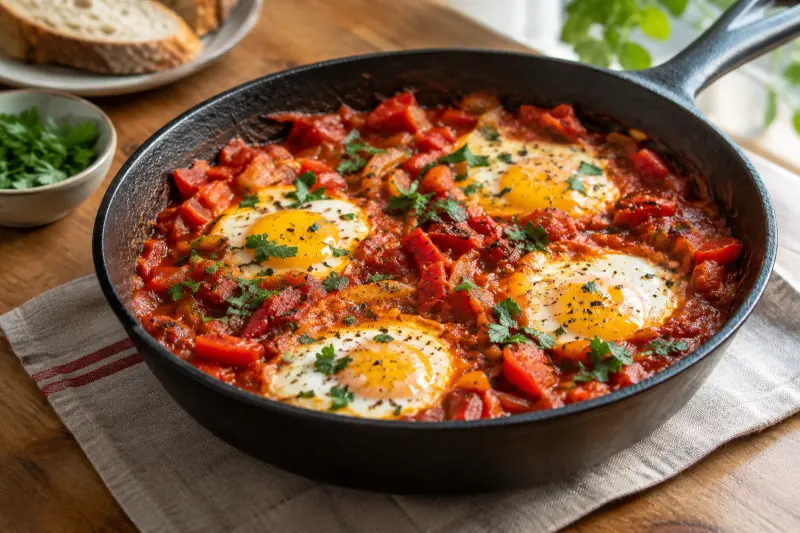 Shakshuka🌍 Mediterranean recipes · Breakfast · 35 min
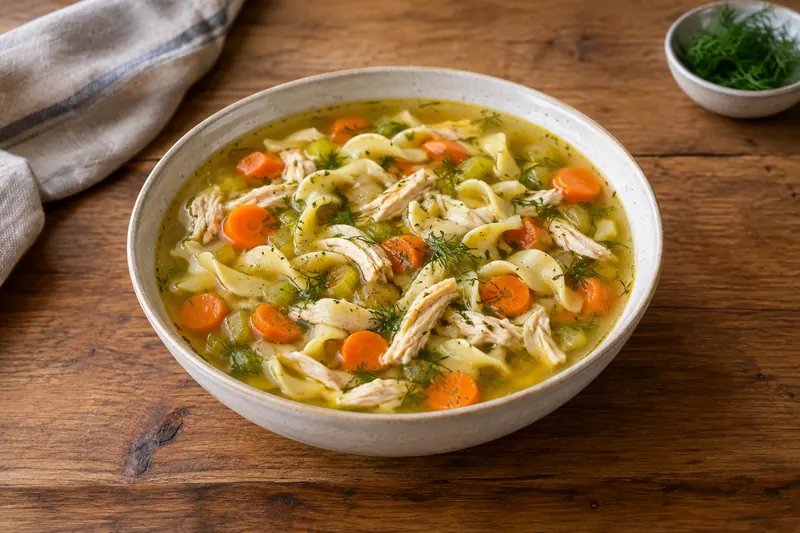 Chicken Noodle Soup🇺🇸 American recipes · Lunch · 1 h 50 min
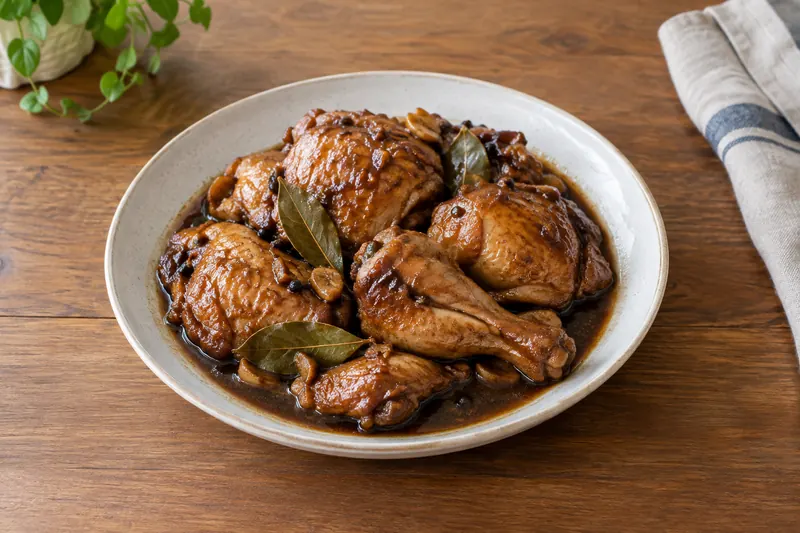 Chicken Adobo🇵🇭 Filipino recipes · Dinner · 1 h 25 min
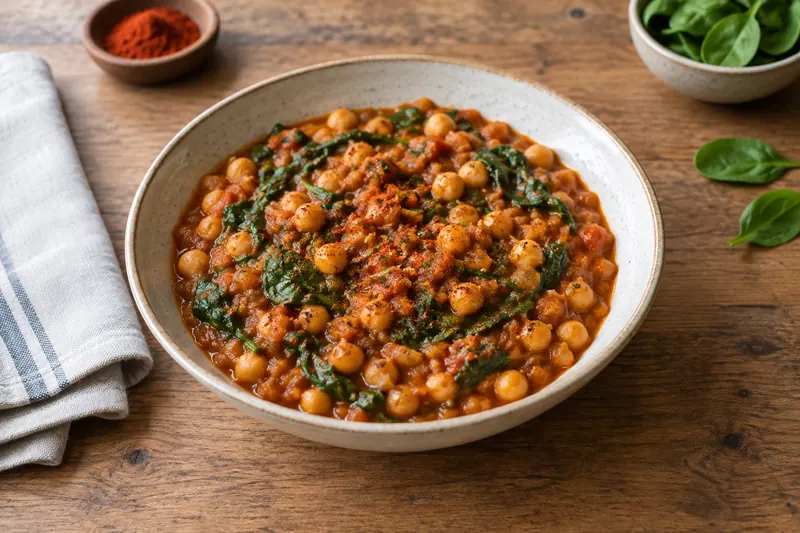 Chickpea Stew🌍 Mediterranean recipes · Dinner · 45 min
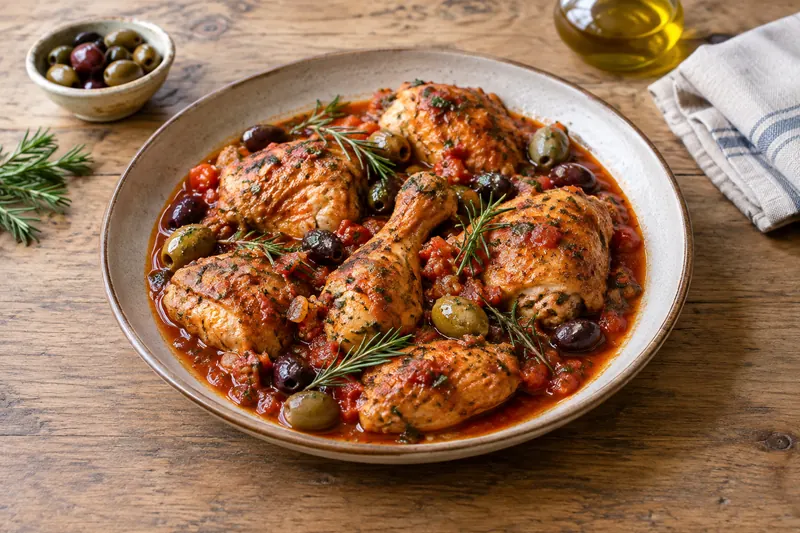 Chicken Cacciatore🇮🇹 Italian recipes · Dinner · 1 h 20 min
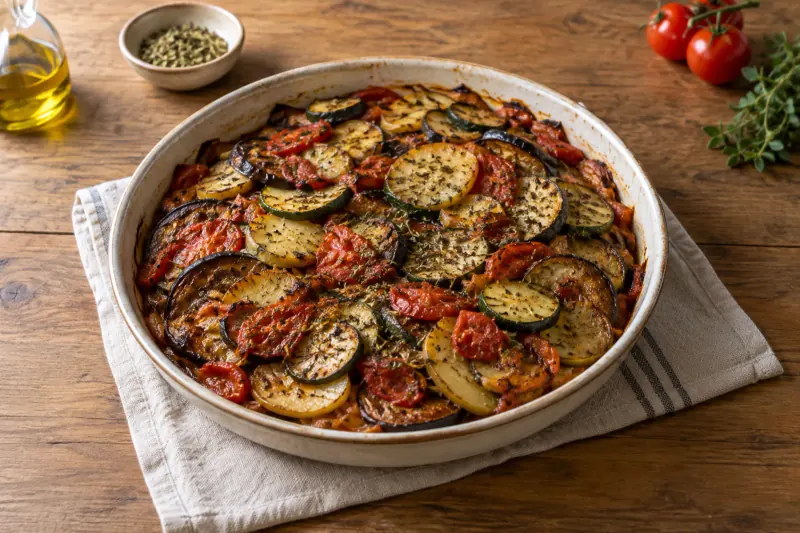 Briam🇬🇷 Greek recipes · Dinner · 2 h 15 min
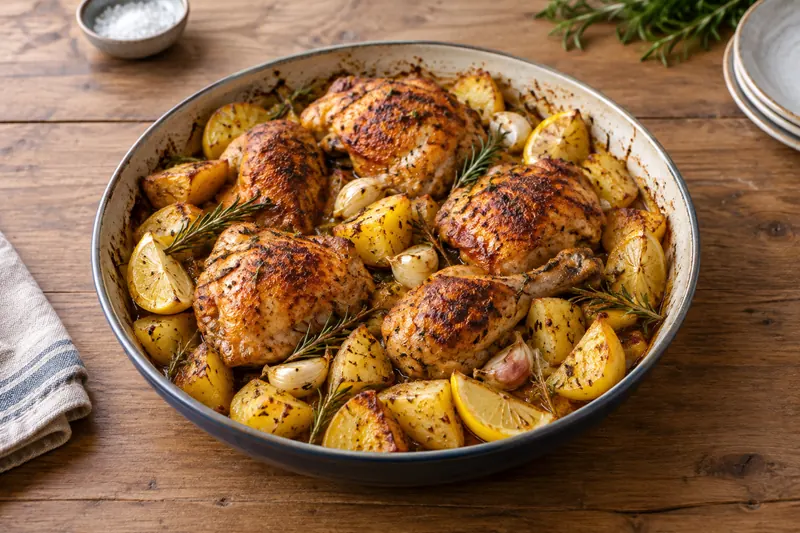 Baked Chicken and Potatoes🇺🇸 American recipes · Dinner · 1 h 15 min
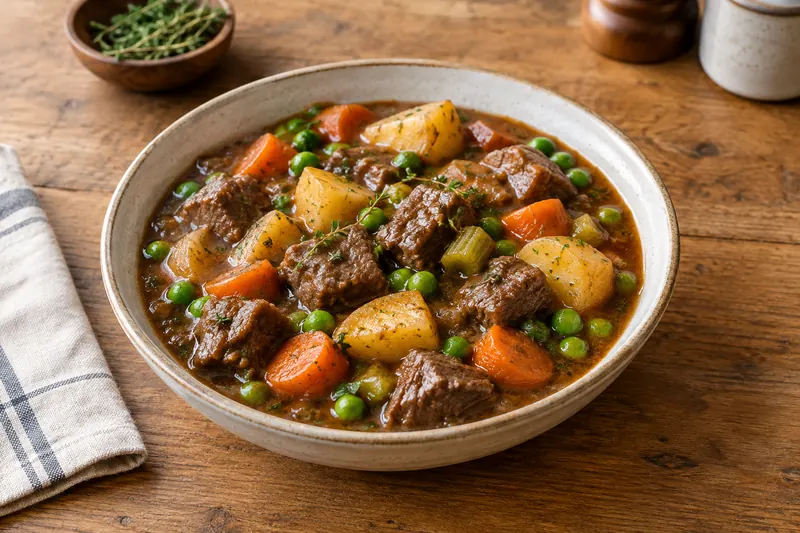 Beef Stew🇺🇸 American recipes · Dinner · 3 h 30 min
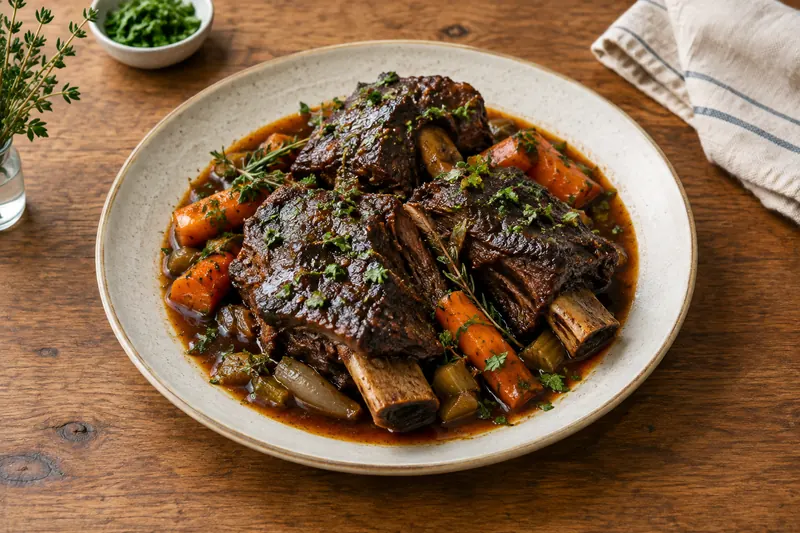 Braised Short Ribs🇺🇸 American recipes · Dinner · 4 h 40 min
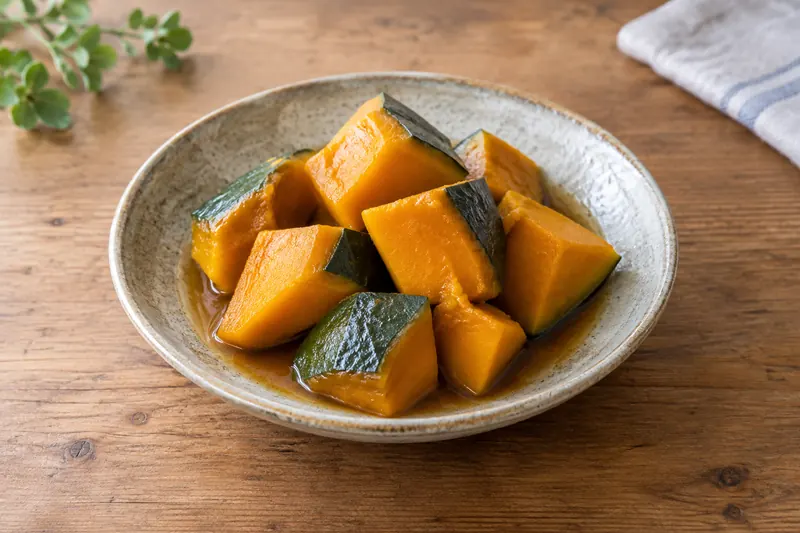 Kabocha no Nimono🇯🇵 Japanese recipes · Side dish · 1 h 10 min
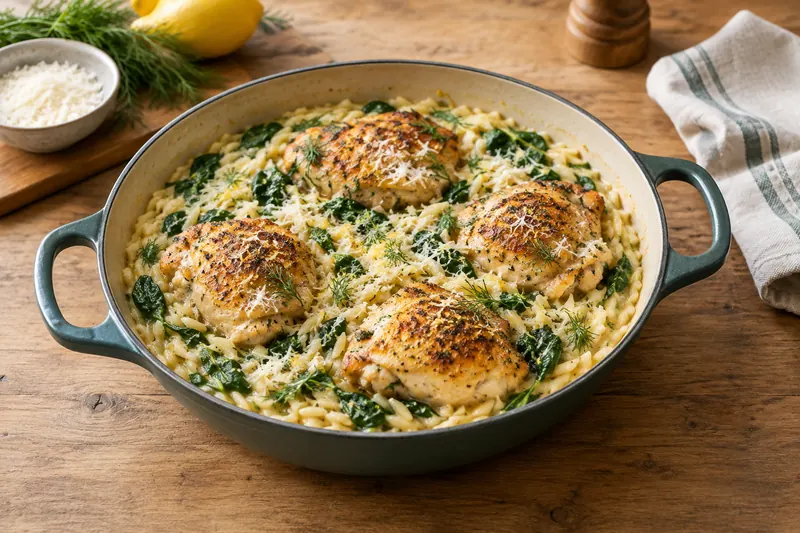 One-Pot Chicken Orzo🌍 Mediterranean recipes · Dinner · 45 min
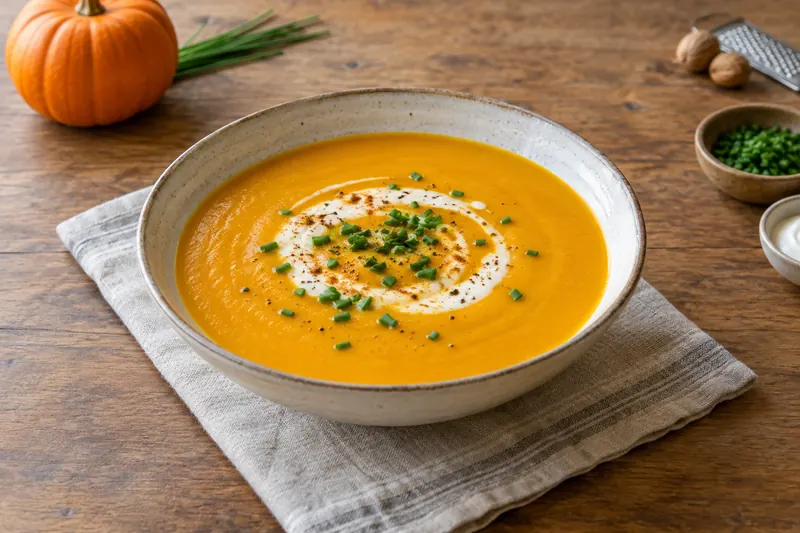 Pumpkin Soup🇫🇷 French recipes · Lunch · 1 h 5 min
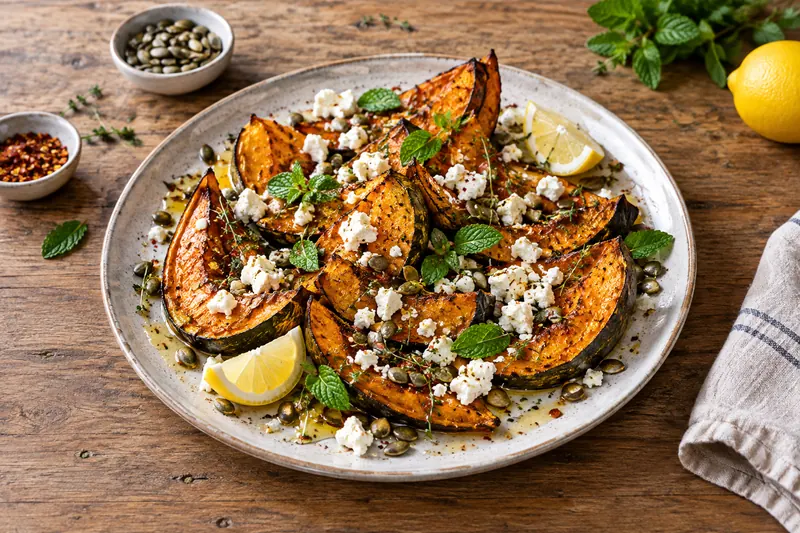 Roasted Pumpkin with Feta🌍 Mediterranean recipes · Side dish · 50 min
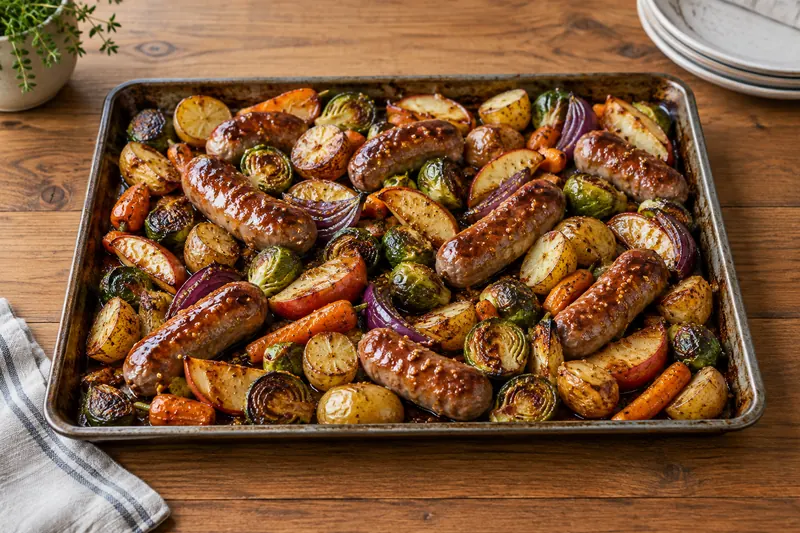 Sheet Pan Sausage and Vegetables🇺🇸 American recipes · Dinner · 1 h 10 min
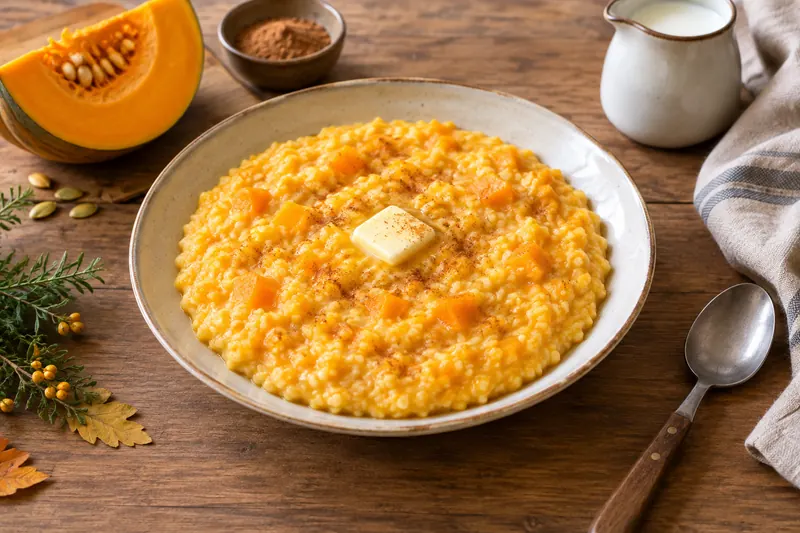 Tykvennaya Kasha🌍 Eastern European recipes · Breakfast · 1 h 10 min
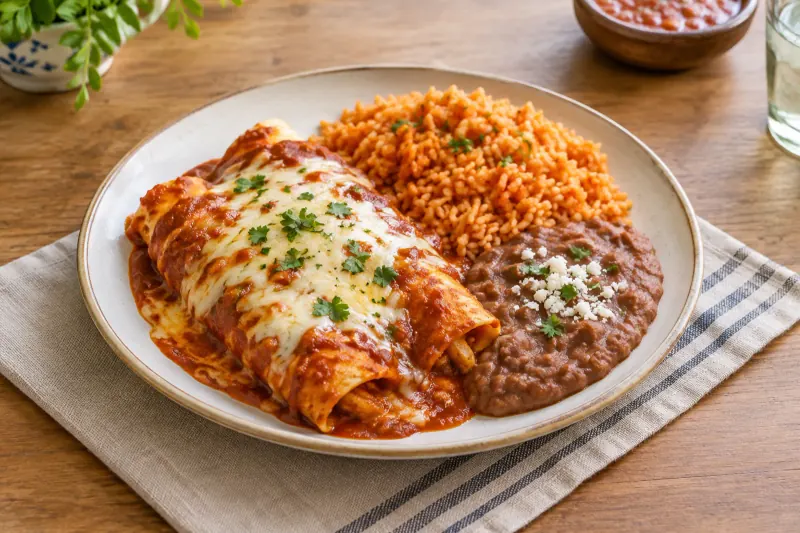 Arroz Rojo🇲🇽 Mexican recipes · Side dish · 50 min
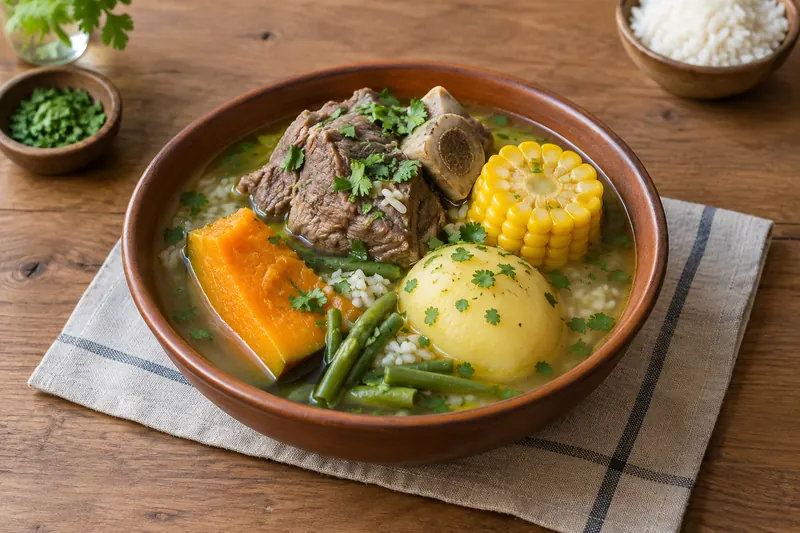 Cazuela🌎 Latin American recipes · Dinner · 1 h 50 min
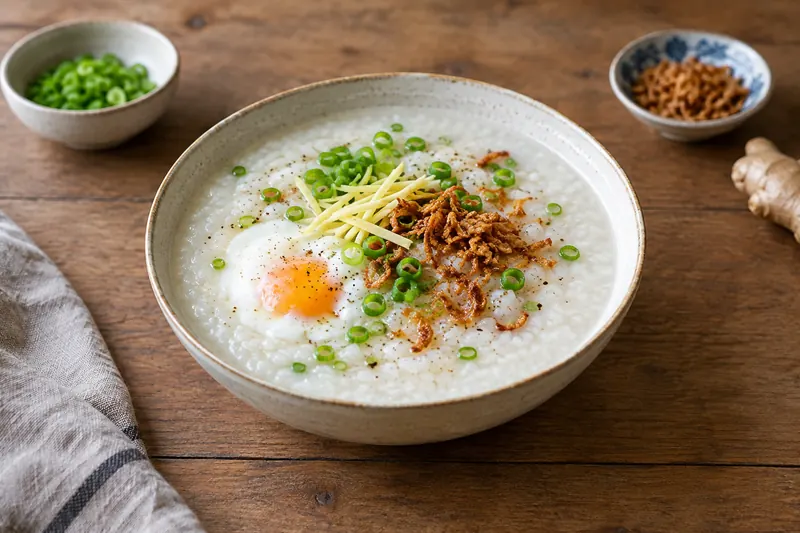 Congee🇨🇳 Chinese recipes · Breakfast · 2 h
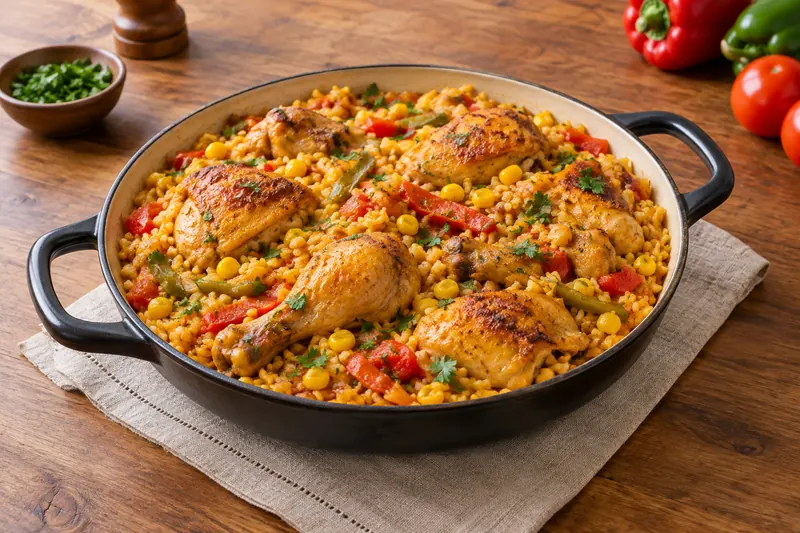 Galinhada🇧🇷 Brazilian recipes · Dinner · 1 h 30 min
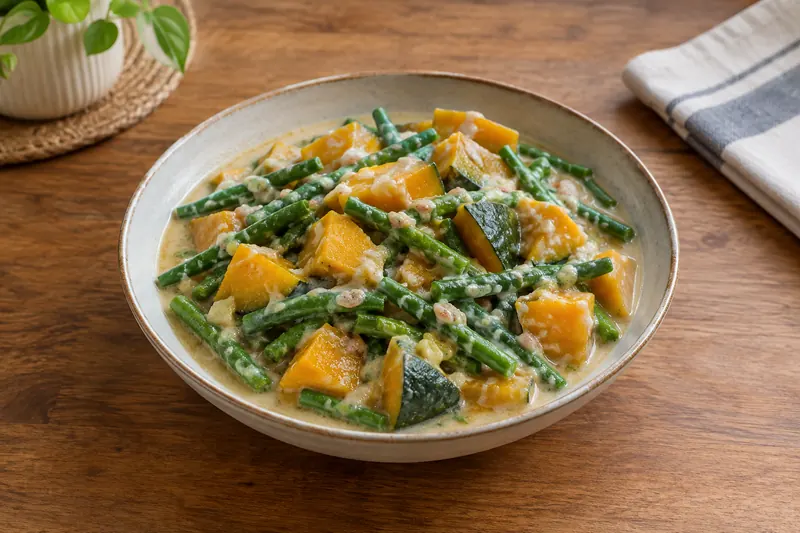 Ginataang Gulay🇵🇭 Filipino recipes · Dinner · 45 min
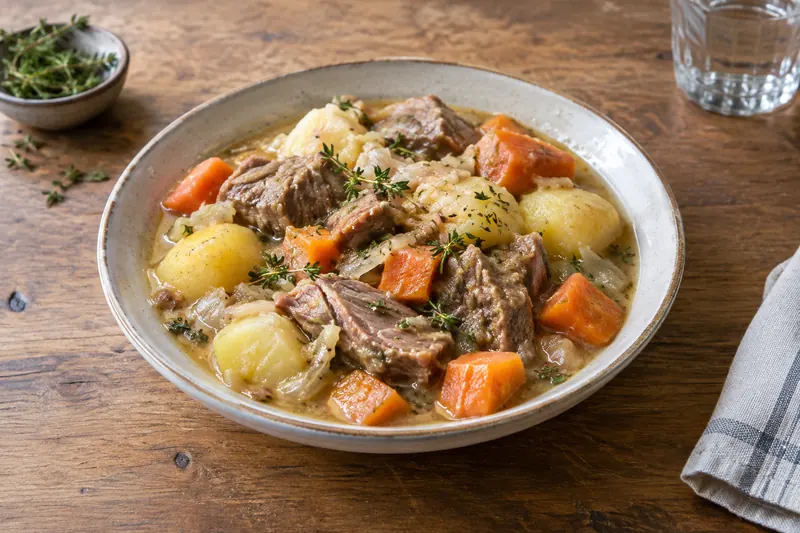 Irish Stew🇬🇧 British recipes · Dinner · 2 h 50 min
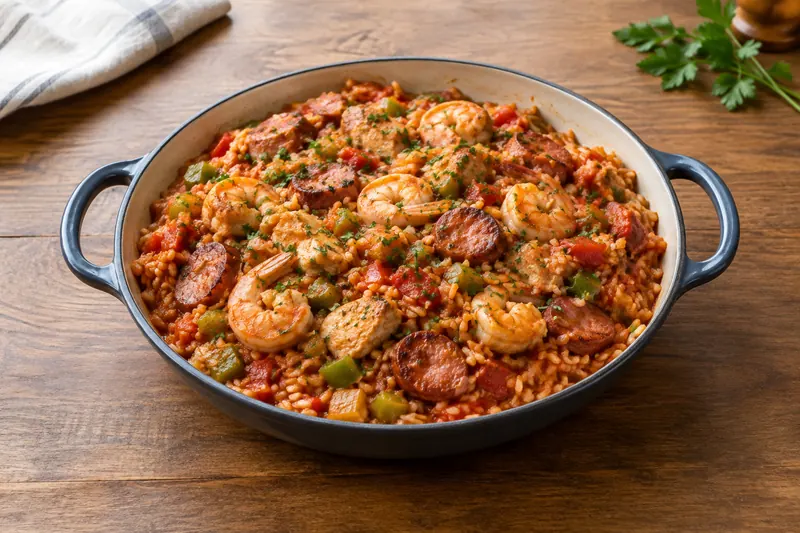 Jambalaya🇺🇸 American recipes · Dinner · 1 h 15 min
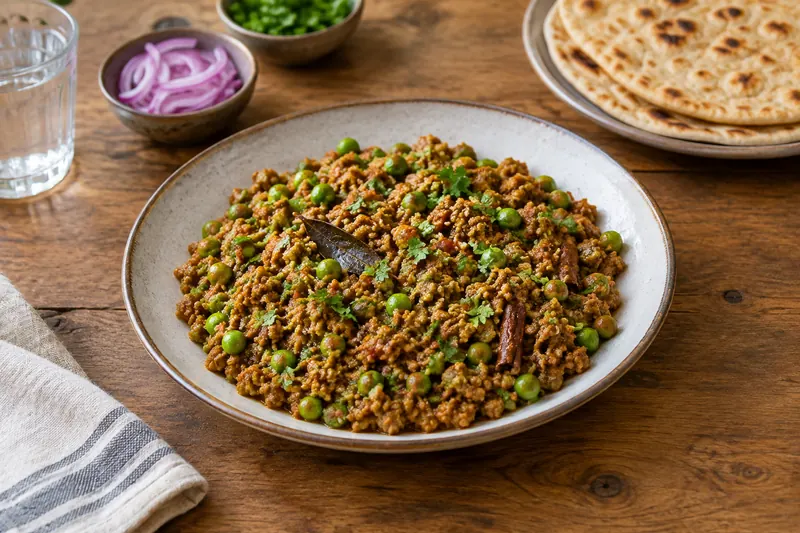 Keema Matar🇮🇳 Indian recipes · Dinner · 1 h 10 min
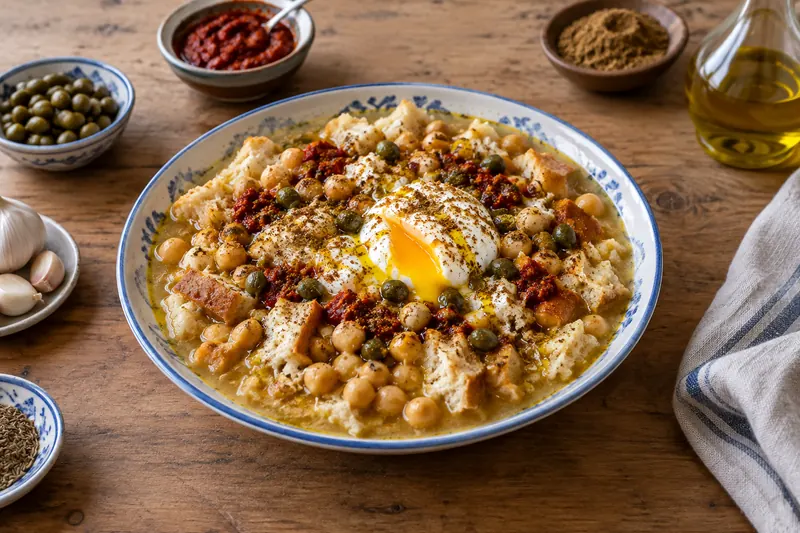 Lablabi🌍 North African recipes · Breakfast · 9 h 45 min
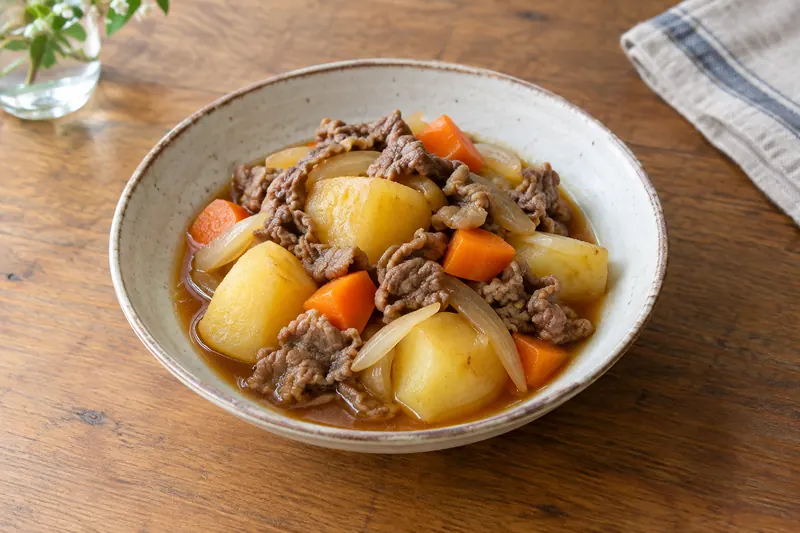 Nikujaga🇯🇵 Japanese recipes · Dinner · 55 min
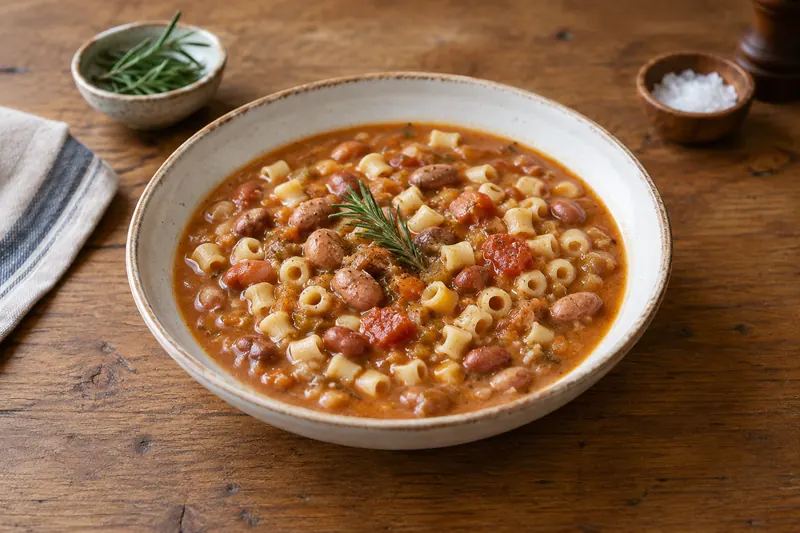 Pasta e Fagioli🇮🇹 Italian recipes · Lunch · 1 h
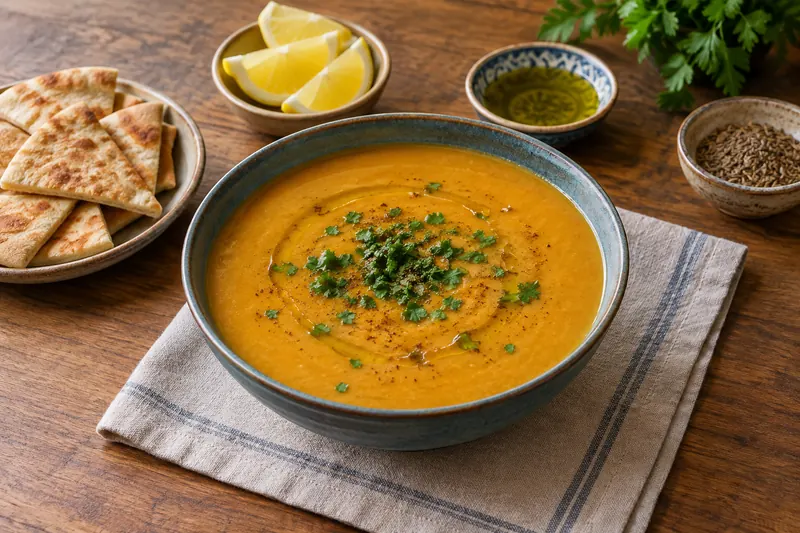 Shorbat Adas🌍 Middle Eastern recipes · Lunch · 55 min
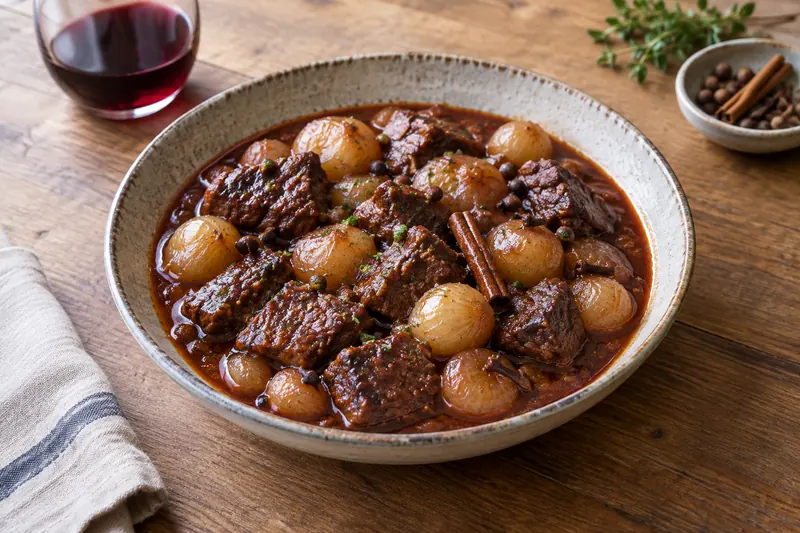 Stifado🇬🇷 Greek recipes · Dinner · 3 h
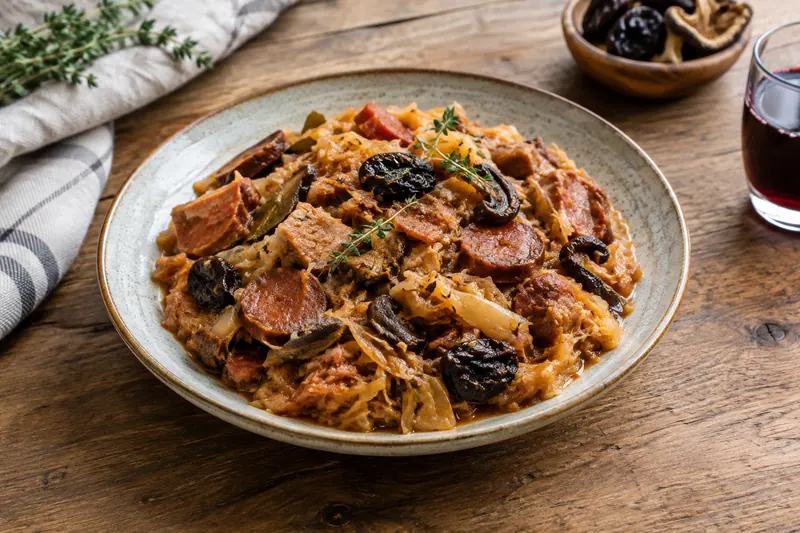 Bigos🌍 Eastern European recipes · Dinner · 3 h 30 min
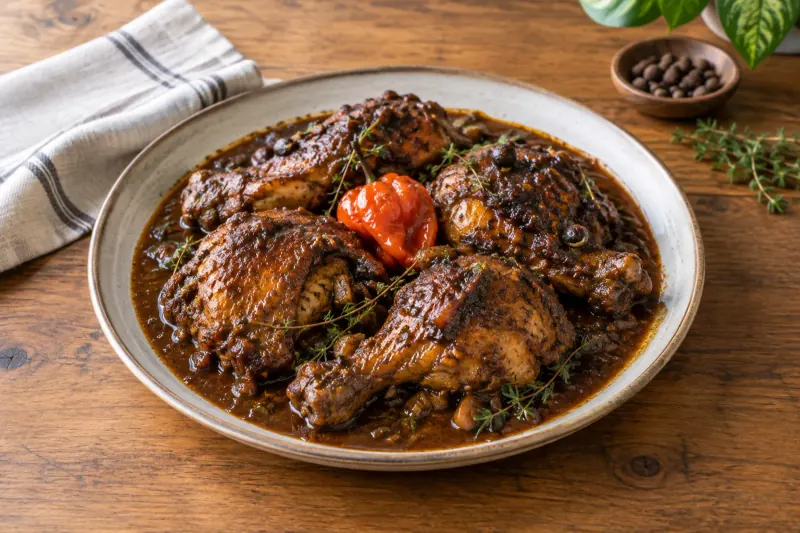 Brown Stew Chicken🌎 Caribbean recipes · Dinner · 2 h 15 min
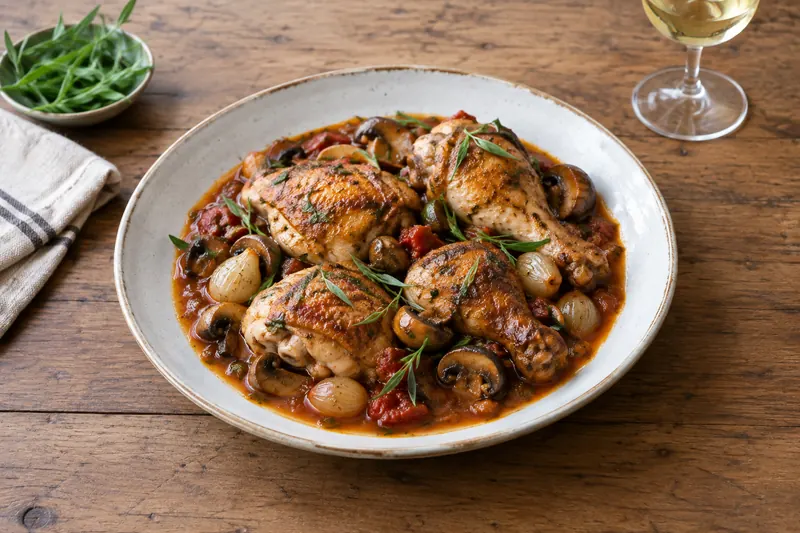 Chicken Chasseur🇫🇷 French recipes · Dinner · 1 h 10 min
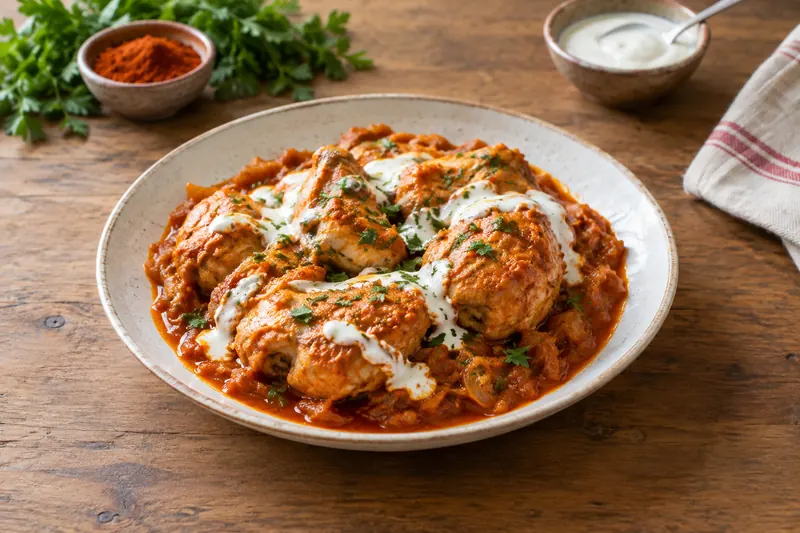 Chicken Paprikash🌍 Eastern European recipes · Dinner · 1 h 20 min
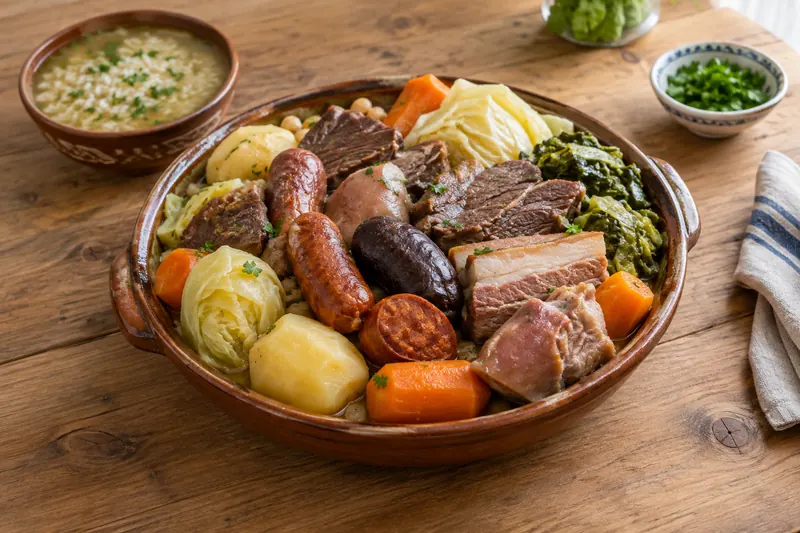 Cozido à Portuguesa🇵🇹 Portuguese recipes · Dinner · 3 h 30 min
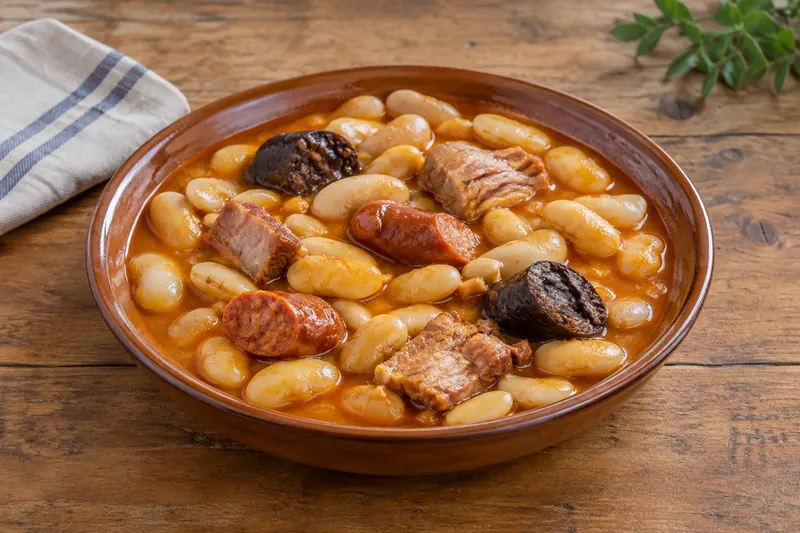 Fabada Asturiana🇪🇸 Spanish recipes · Dinner · 15 h 50 min
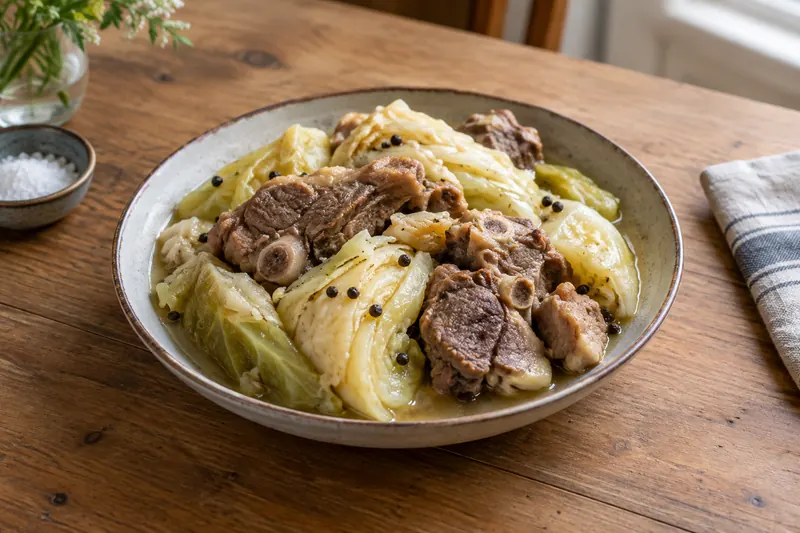 Fårikål🌍 Nordic recipes · Dinner · 2 h 50 min
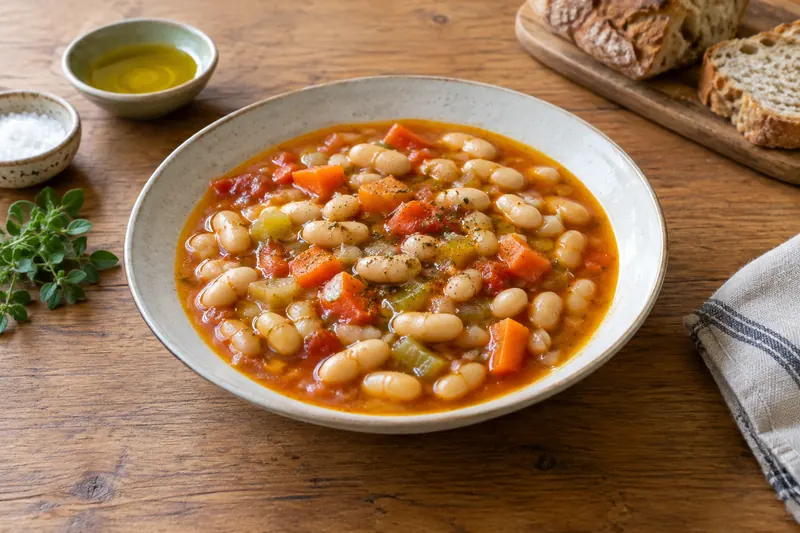 Fasolada🇬🇷 Greek recipes · Lunch · 10 h
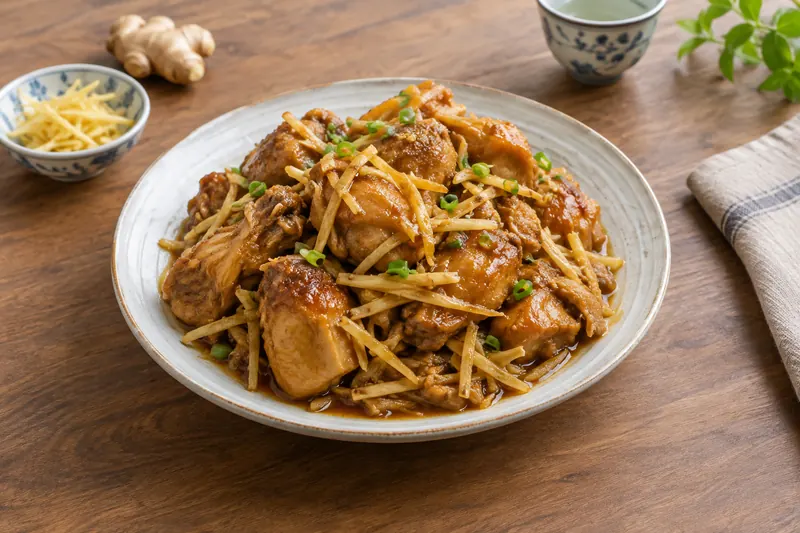 Gà Kho Gừng🇻🇳 Vietnamese recipes · Dinner · 1 h 5 min
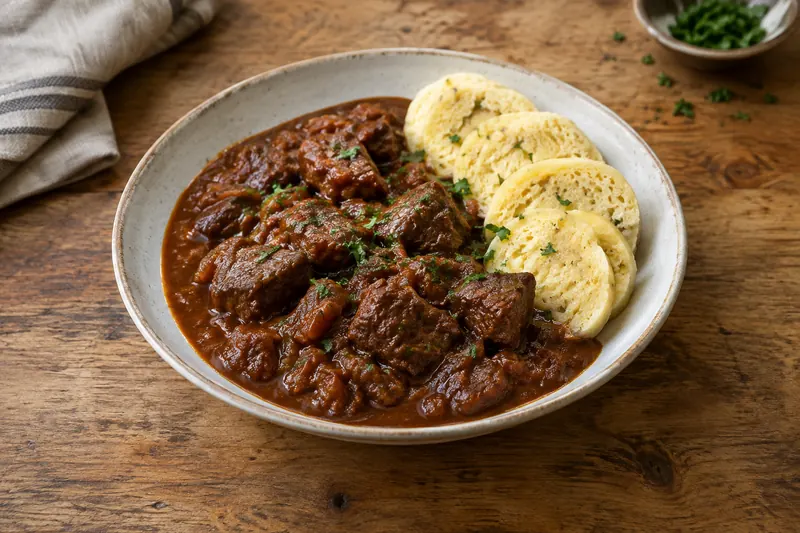 Gulasch🇩🇪 German recipes · Dinner · 3 h 45 min
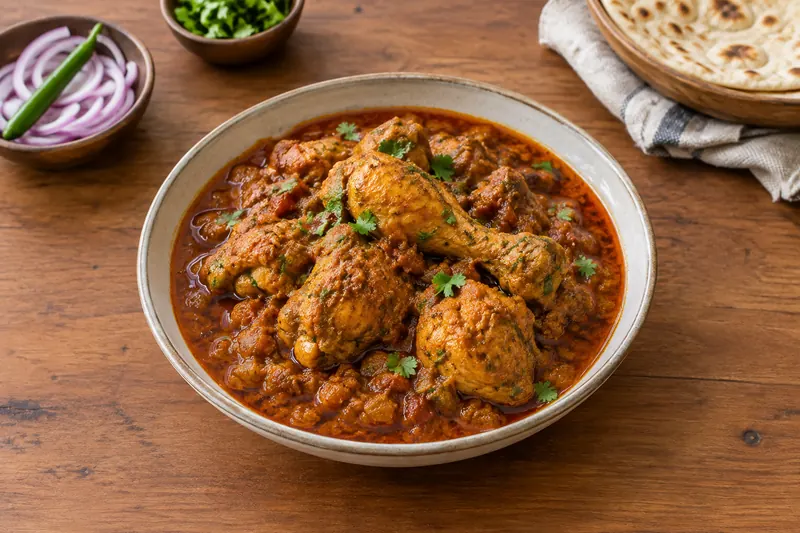 Home-style Chicken Curry🇮🇳 Indian recipes · Dinner · 1 h
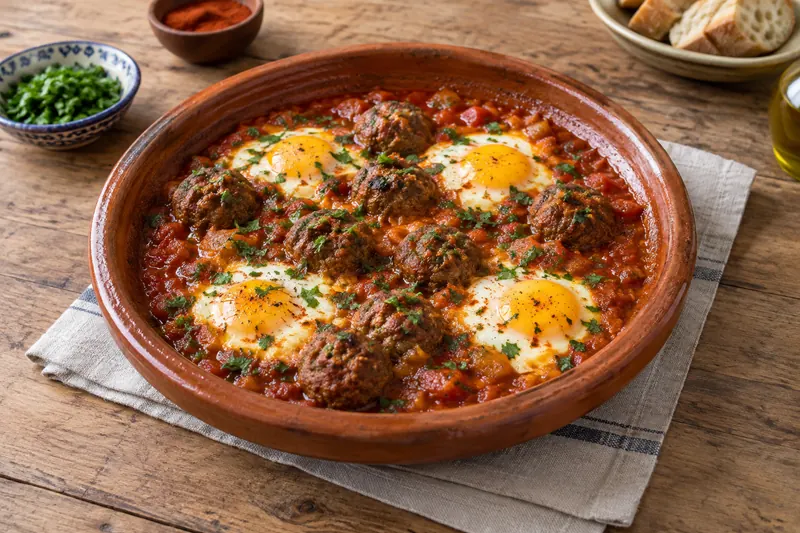 Kefta Tagine🌍 North African recipes · Dinner · 1 h 10 min
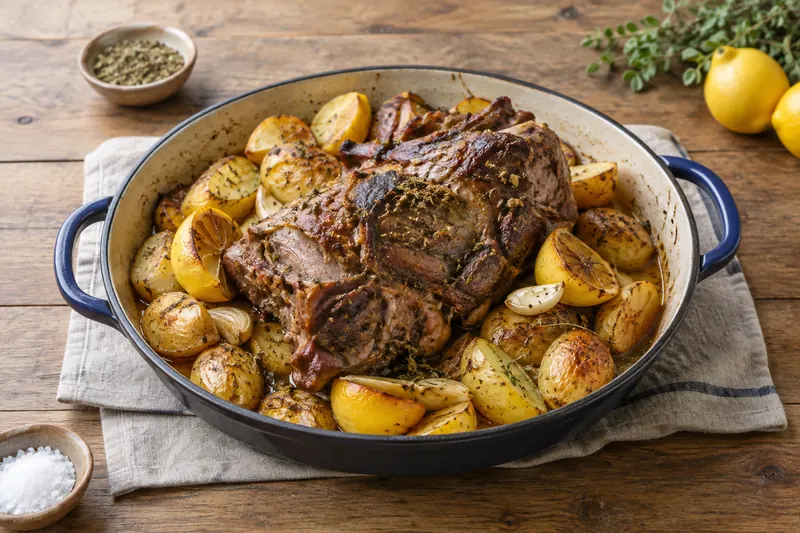 Kleftiko🇬🇷 Greek recipes · Dinner · 4 h 10 min
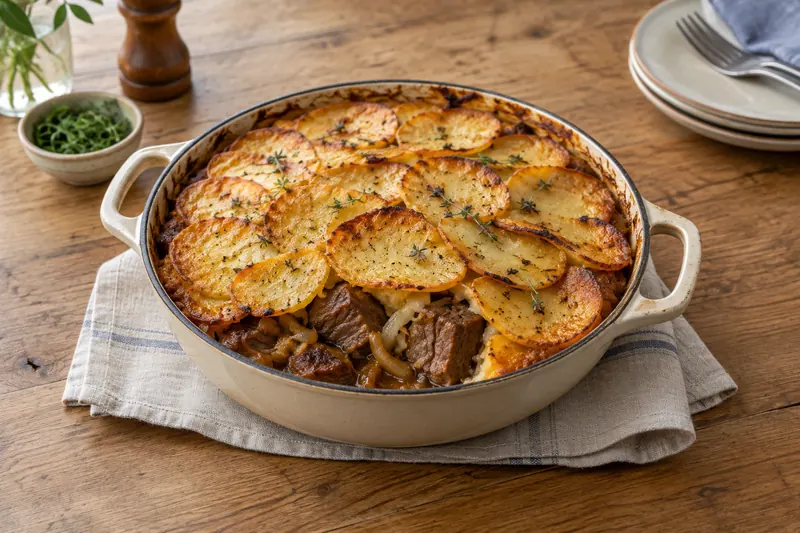 Lancashire Hotpot🇬🇧 British recipes · Dinner · 3 h 30 min
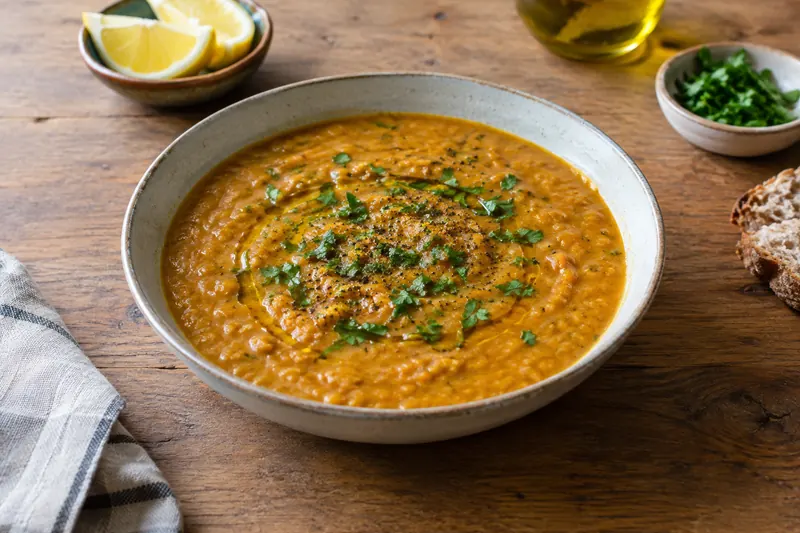 Mediterranean Lentil Soup🌍 Mediterranean recipes · Lunch · 50 min
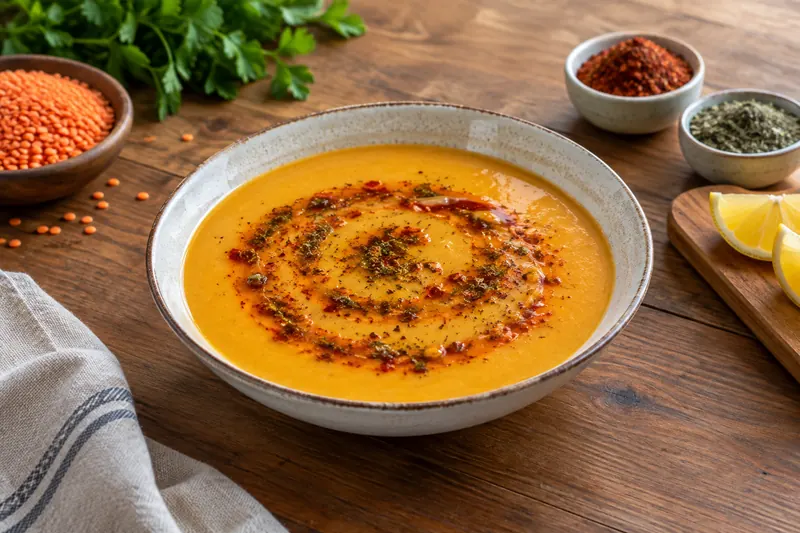 Mercimek Çorbası🇹🇷 Turkish recipes · Lunch · 50 min
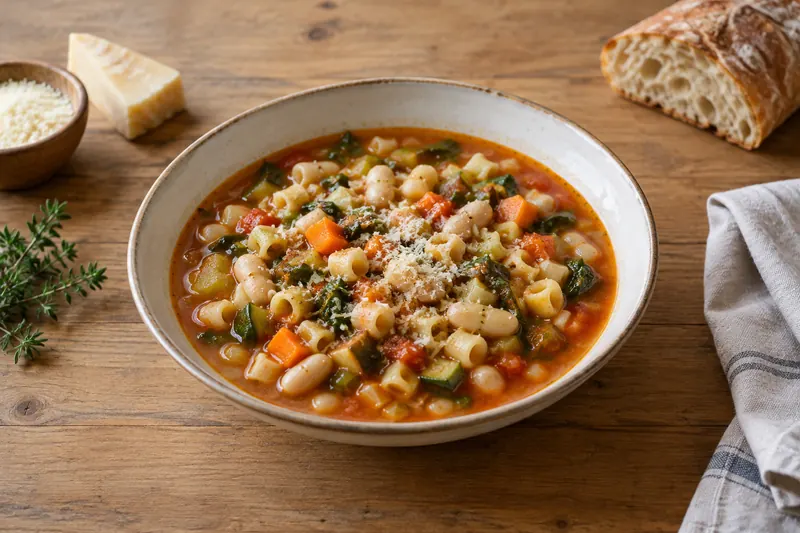 Minestrone🇮🇹 Italian recipes · Lunch · 1 h 25 min
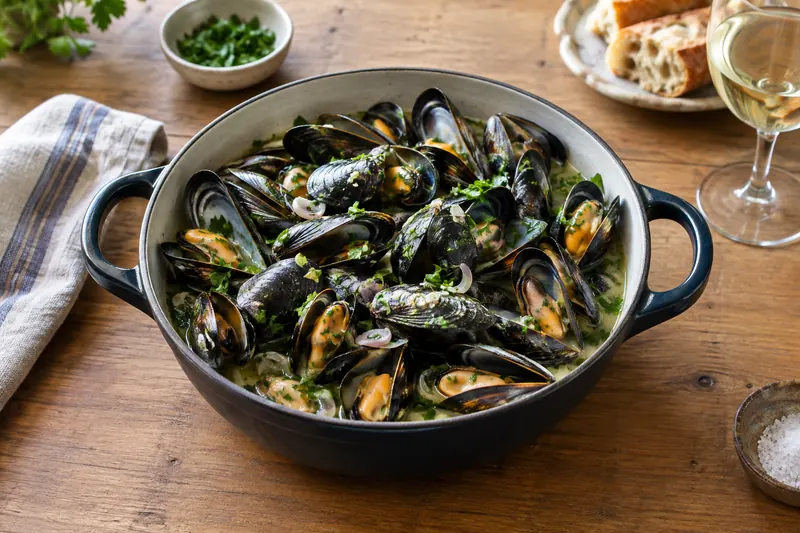 Moules Marinières🇫🇷 French recipes · Dinner · 30 min
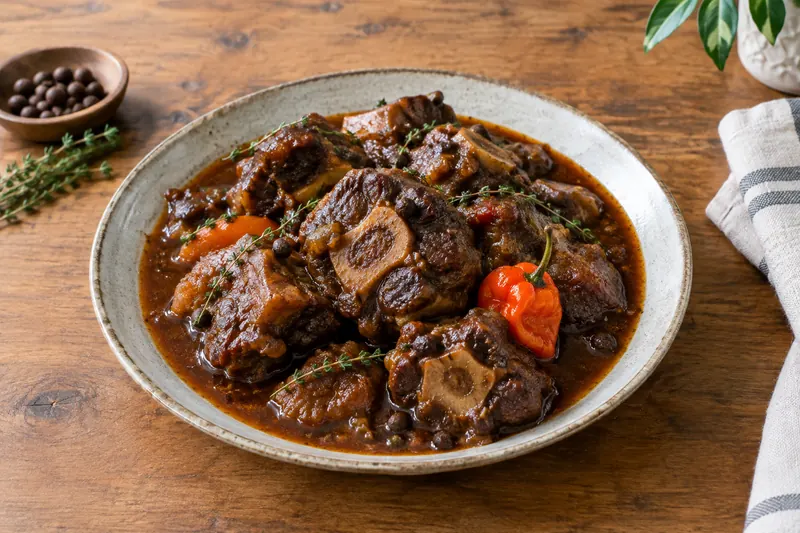 Oxtail Stew🌎 Caribbean recipes · Dinner · 5 h
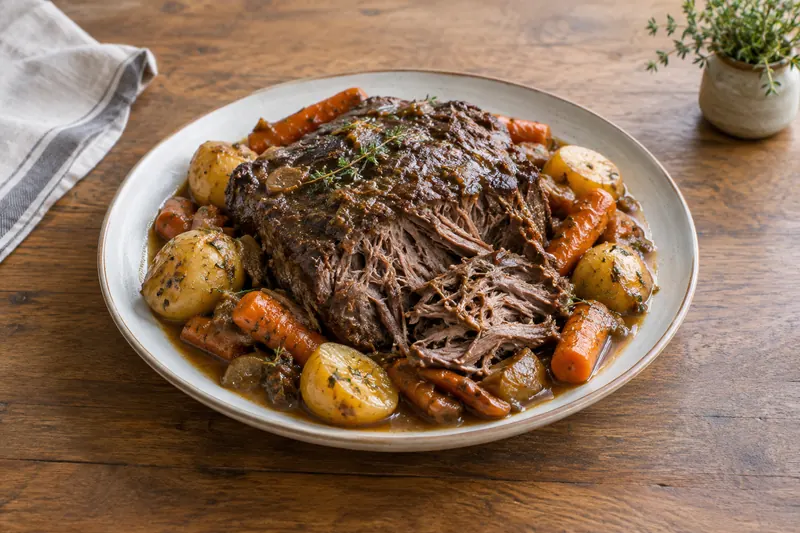 Pot Roast🇺🇸 American recipes · Dinner · 4 h 5 min
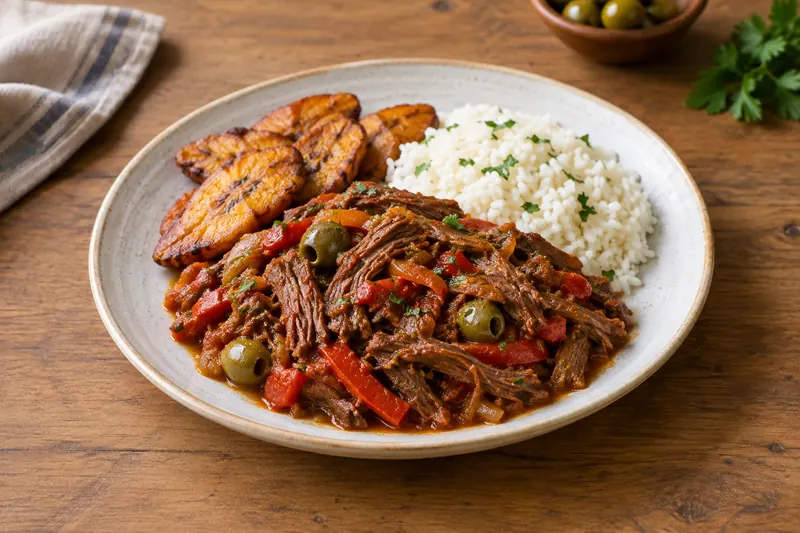 Ropa Vieja🌎 Caribbean recipes · Dinner · 3 h 25 min
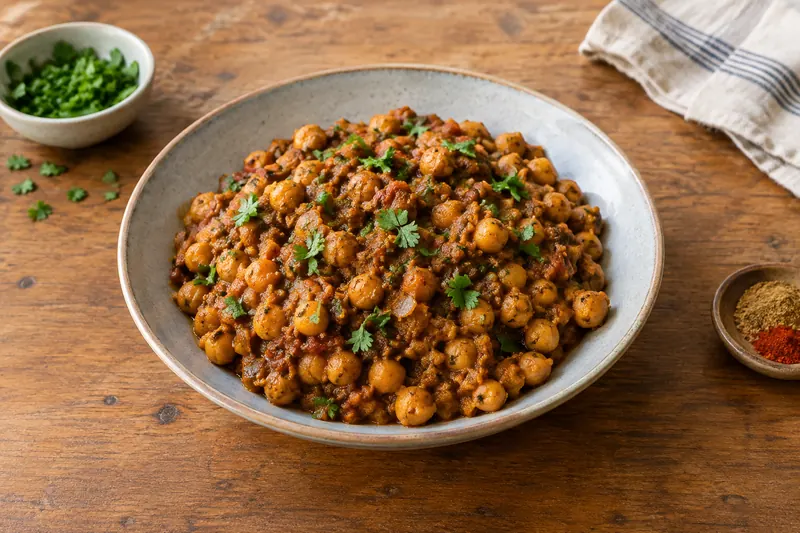 Chana Masala🇮🇳 Indian recipes · Dinner · 50 min
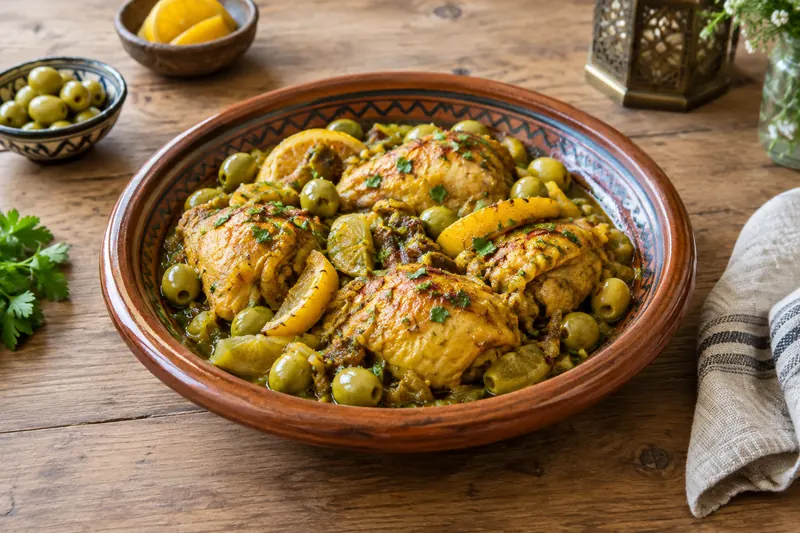 Chicken Tagine with Preserved Lemon and Olives🌍 North African recipes · Dinner · 1 h 45 min
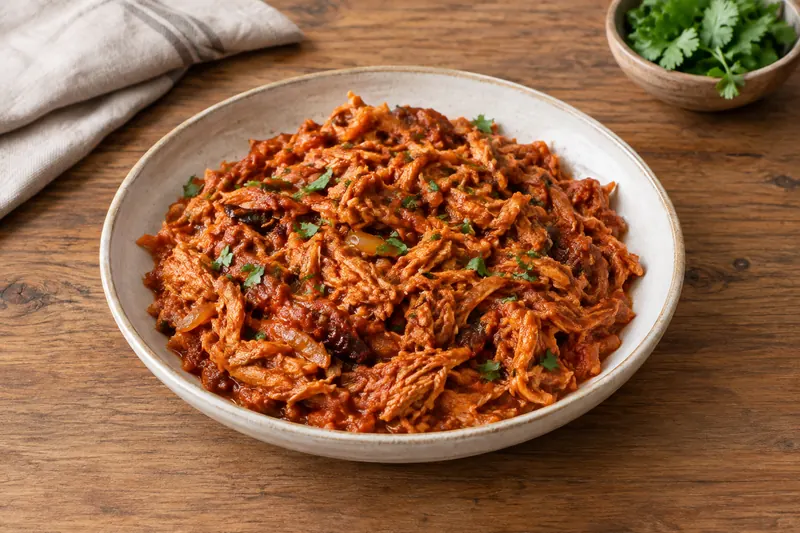 Chicken Tinga🇲🇽 Mexican recipes · Dinner · 50 min
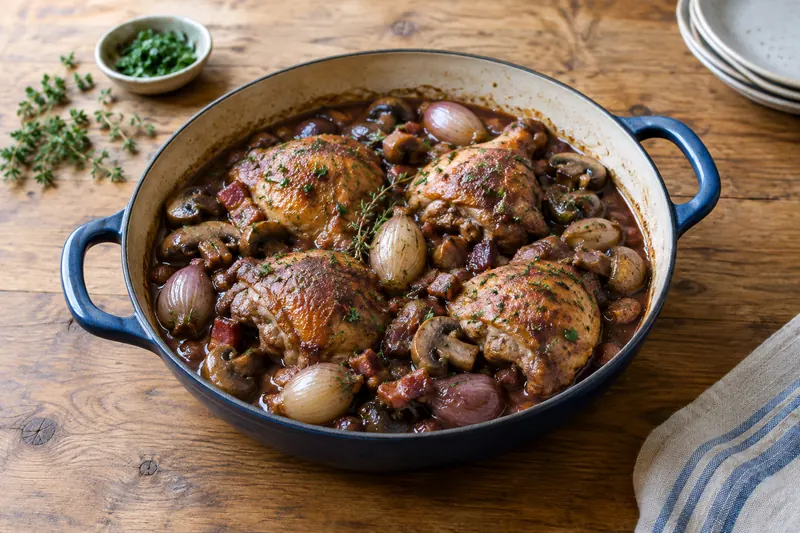 Coq au Vin🇫🇷 French recipes · Dinner · 6 h 10 min
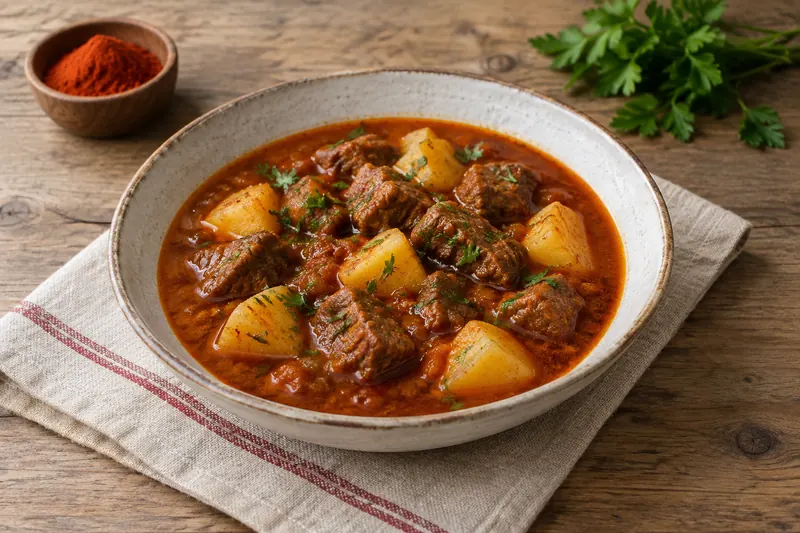 Goulash🌍 Eastern European recipes · Dinner · 3 h 20 min
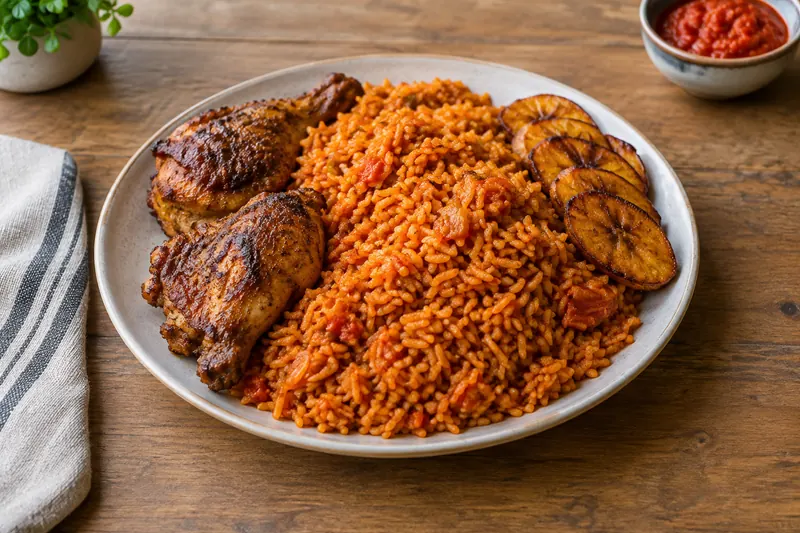 Jollof Rice🌍 African recipes · Dinner · 1 h 25 min
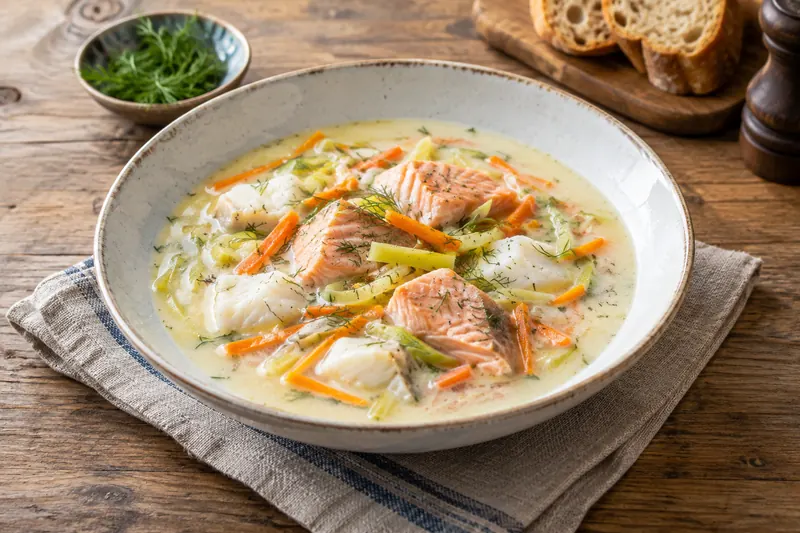 Norwegian Fish Soup🌍 Nordic recipes · Dinner · 45 min
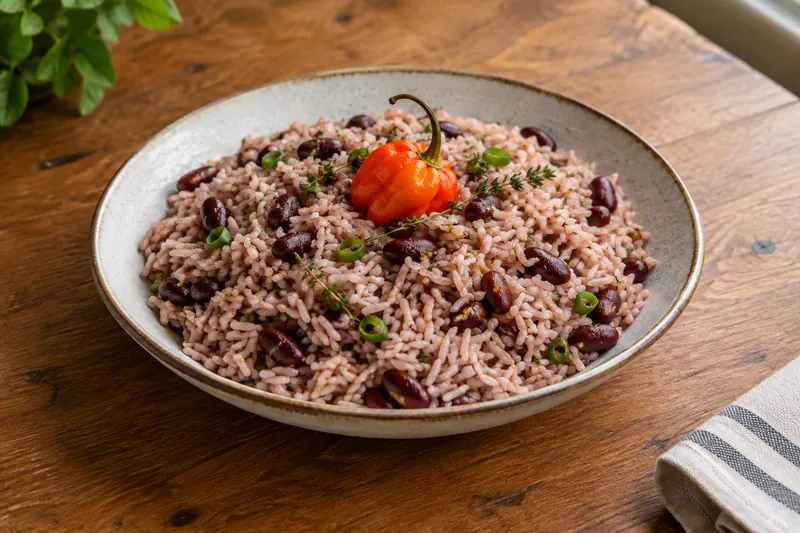 Rice and Peas🌎 Caribbean recipes · Side dish · 9 h 55 min
What counts as a one-pot recipe
Here it means the main dish is cooked in one vessel: meat browned, onions softened and liquid added in the same pot, so the brown bits on the base become part of the sauce. Briam counts too, baked slowly in one wide dish until the vegetables collapse together.
A side or a garnish sometimes needs a second pan, and the recipes say so. Cozido à Portuguesa cooks its rice in a separate pan with a litre of the broth, and the soft-boiled eggs for congee are boiled on their own.
Use the heaviest pot you own. A thick base spreads the heat evenly, and congee in particular catches easily, after which a burnt taste runs through the whole pot.
How to build flavour in a single pot
Browning comes first in most of these. Brown stew chicken is turned in sugar caramelised in the pot, the Jamaican browning that gives the gravy its colour, while chicken cacciatore and chicken chasseur start with the meat seared on the bone. Fårikål is the deliberate exception: the lamb is never browned, because the dish is meant to taste pale and clean.
Order and reduction matter as much. Cozido à Portuguesa adds each meat and vegetable according to its cooking time, cacciatore and chasseur simmer uncovered so the sauce thickens, and chickpea stew is thickened by crushing a handful of chickpeas against the pan instead of adding flour.
Cooking once for two or three meals
Braises like these often taste better the next day. Chicken adobo keeps four days in the fridge as the sauce soaks into the meat, chicken tinga keeps four days and freezes, fårikål is better reheated the day after, and briam is better again the next day, served warm or at room temperature.
Chickpea stew freezes well if the spinach is left out. The one to eat fresh is chicken noodle soup: cook the noodles just before serving, because left in the pot they swell and soak up the broth.
Frequently asked questions
- What is a one-pot meal?
- A one-pot meal is a main dish cooked in a single pot, pan or baking dish, so the meat, vegetables and sauce cook together and share their flavour. On this page that covers braises such as chicken cacciatore, soups such as chicken noodle soup and cazuela, and oven dishes such as briam.
- Do I need a tagine pot to make chicken tagine?
- No. A heavy casserole with a lid does the same job; what matters is a low, steady heat, with the liquid barely moving, so the chicken softens until it falls off the bone. The chicken tagine with preserved lemon and olives on this page works in either a tagine or an ordinary heavy casserole.
- What is the difference between chicken cacciatore and chicken chasseur?
- Both names mean hunter's chicken, one Italian and one French. Chicken cacciatore is braised with tomato, olives, rosemary, white wine, capers and a few anchovies that melt away unnoticed. Chicken chasseur uses mushrooms, shallots, white wine and tomato, and its signature is tarragon, whose faint aniseed sets it apart from other chicken braises.
- Which one-pot recipes are vegetarian?
- Arroz rojo, briam, chickpea stew and shakshuka are vegetarian, and all of them except shakshuka are also vegan, since shakshuka is built on eggs poached in the sauce. Congee is not vegetarian as written, because the rice is simmered in chicken stock.