
Spanish recipes
These Spanish recipes cover what people cook at home and order at the bar in Spain, from tapas to a long Madrid lunch, with exact amounts that work in any kitchen. The cooking runs on olive oil, garlic, paprika and patience: small plates made for sharing, stews left on the hob for hours, and a potato omelette that counts as a meal.
Start a tapas evening with tortilla española, albóndigas in tomato sauce and chorizo al vino. Save cocido madrileño for a slow weekend, when one pot gives you three courses. Finish with churros con chocolate, fried fresh and dipped in a cup of thick drinking chocolate, and send whatever you are missing to a shared shopping list in one tap.
21 recipes
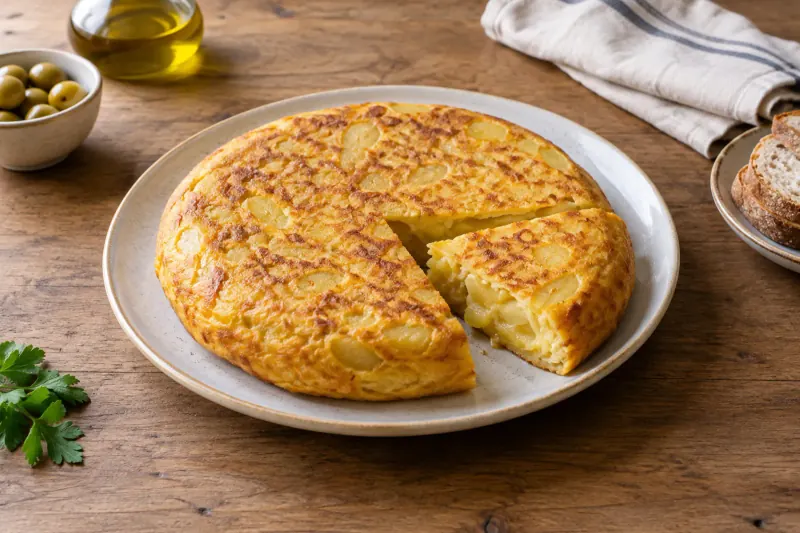 Tortilla Española🇪🇸 Spanish recipes · Lunch · 1 h 5 min
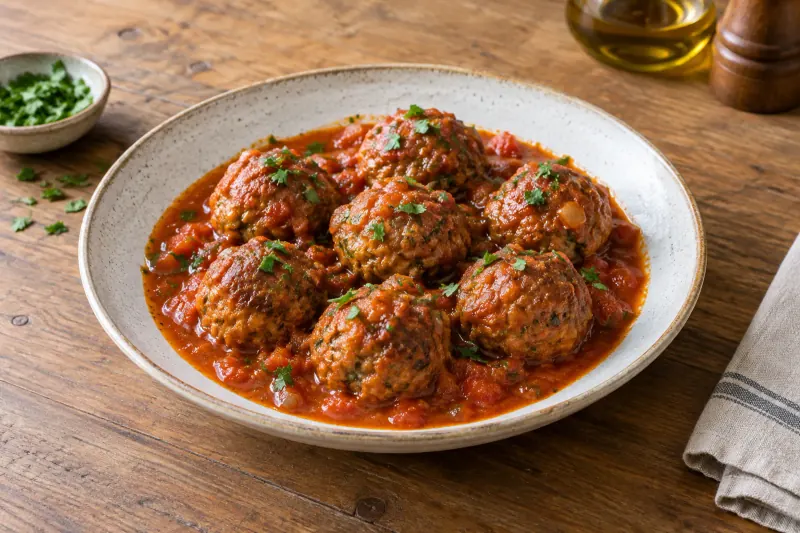 Albóndigas🇪🇸 Spanish recipes · Dinner · 1 h
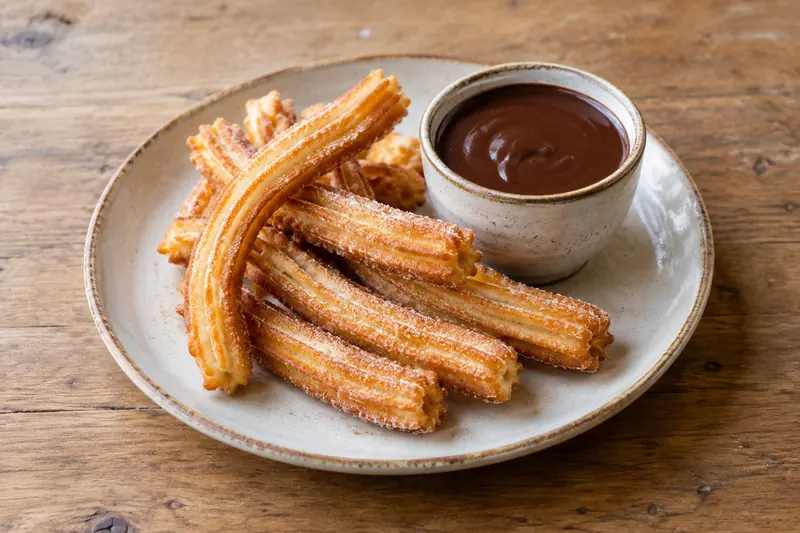 Churros con Chocolate🇪🇸 Spanish recipes · Dessert · 45 min
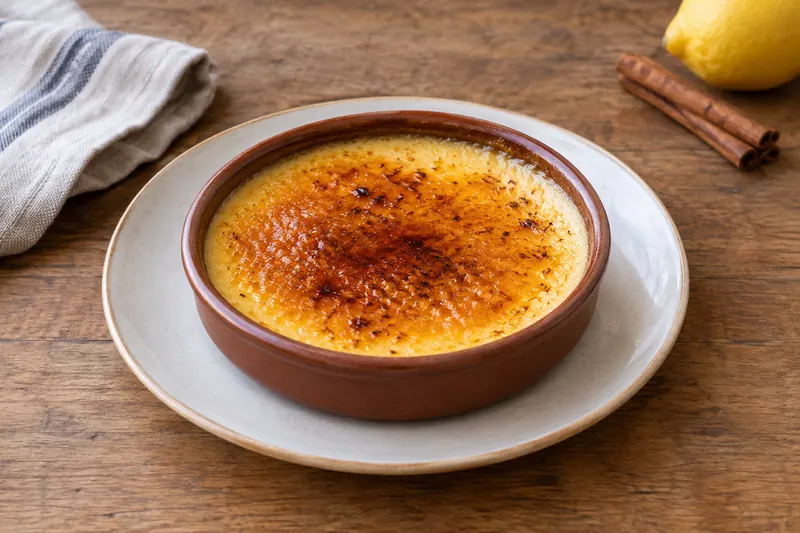 Crema Catalana🇪🇸 Spanish recipes · Dessert · 5 h
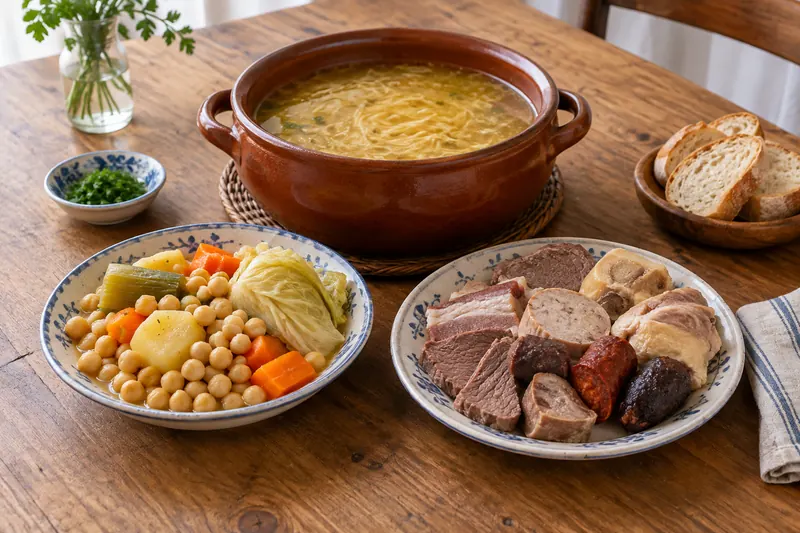 Cocido Madrileño🇪🇸 Spanish recipes · Dinner · 16 h
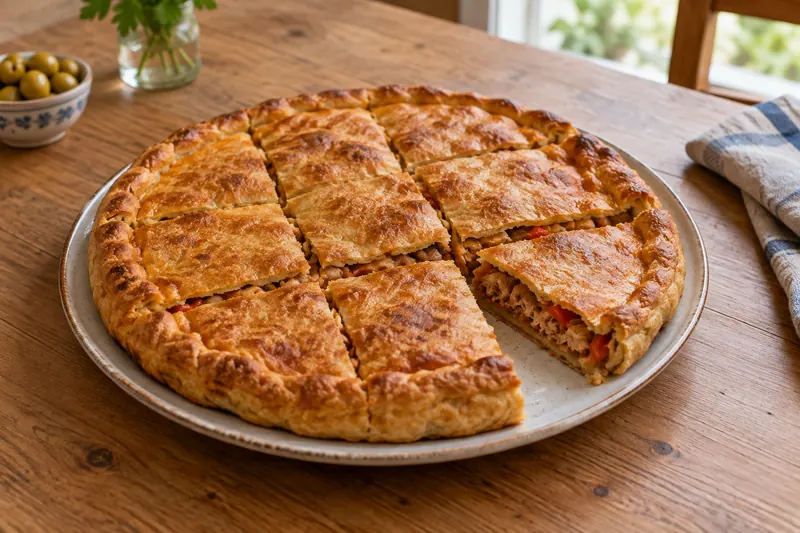 Empanada Gallega🇪🇸 Spanish recipes · Lunch · 3 h 30 min
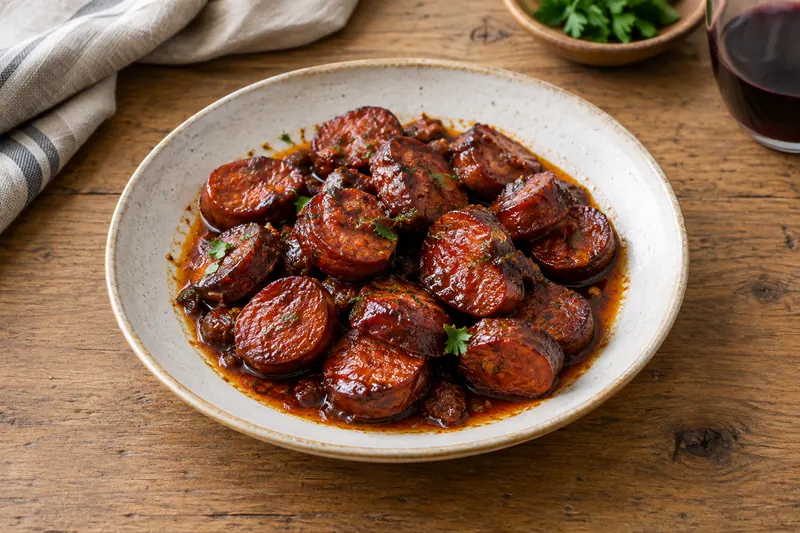 Chorizo al Vino🇪🇸 Spanish recipes · Snack · 20 min
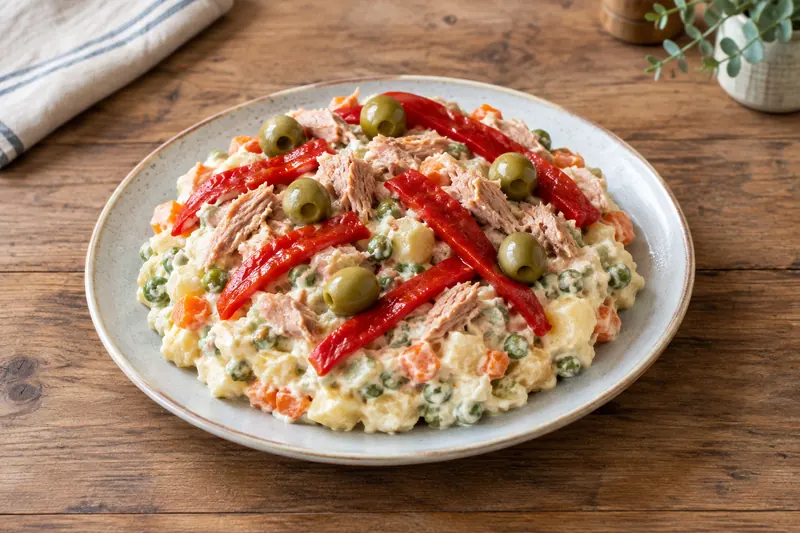 Ensaladilla Rusa🇪🇸 Spanish recipes · Side dish · 2 h 20 min
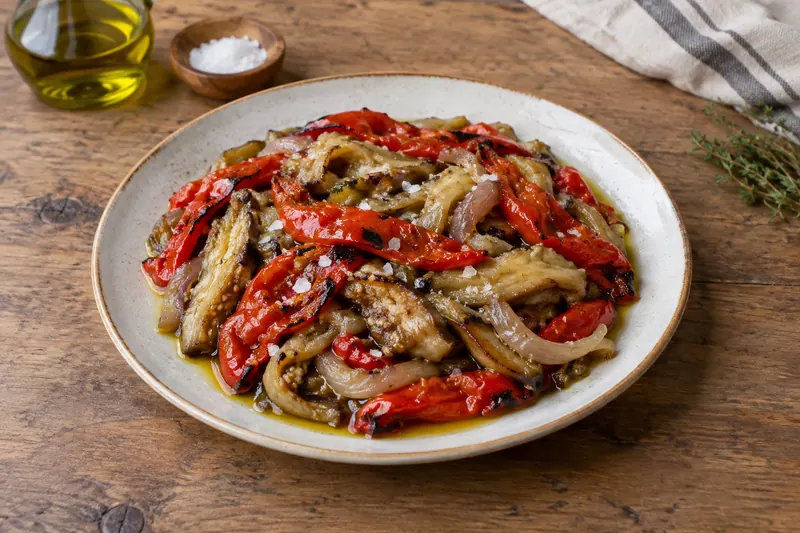 Escalivada🇪🇸 Spanish recipes · Side dish · 1 h 40 min
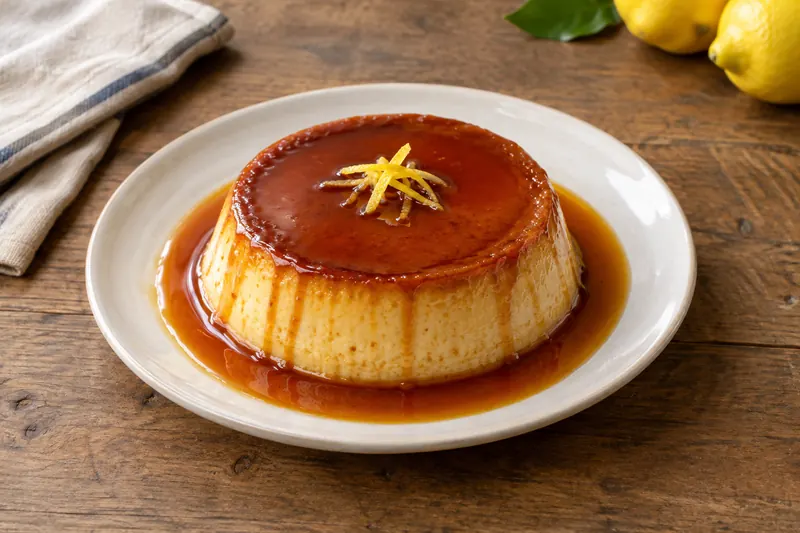 Flan🇪🇸 Spanish recipes · Dessert · 10 h 25 min
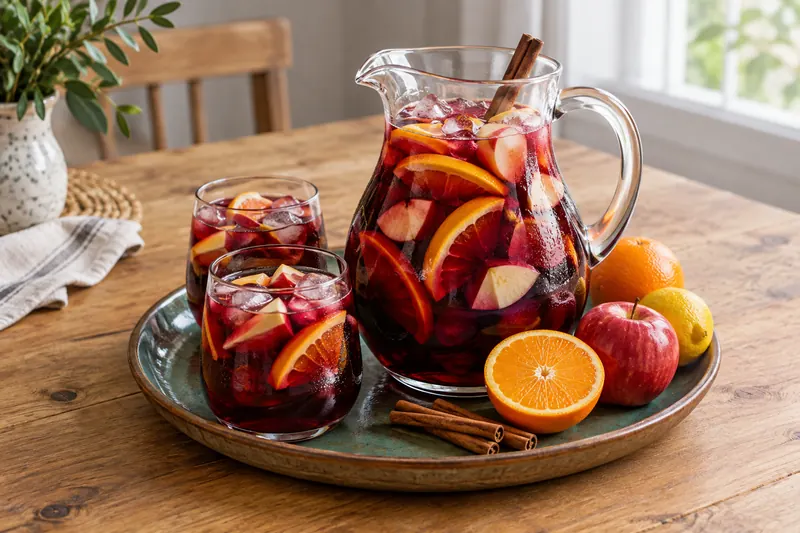 Sangría🇪🇸 Spanish recipes · Drink · 2 h 15 min
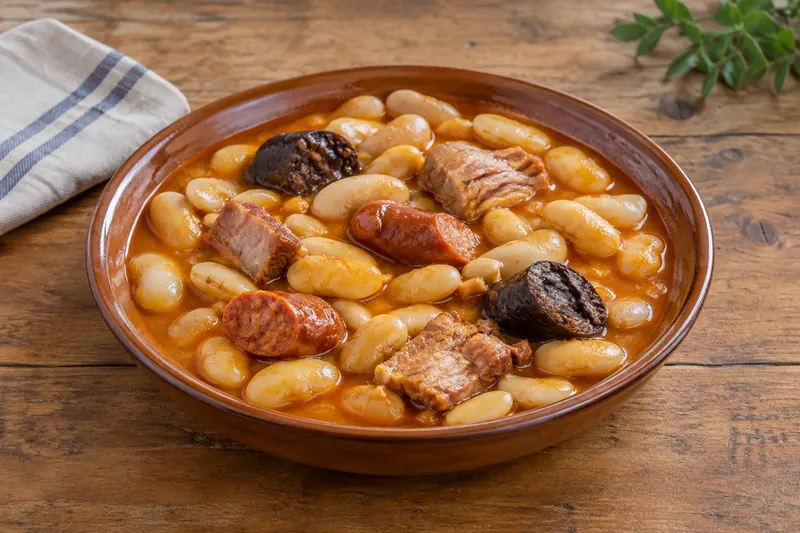 Fabada Asturiana🇪🇸 Spanish recipes · Dinner · 15 h 50 min
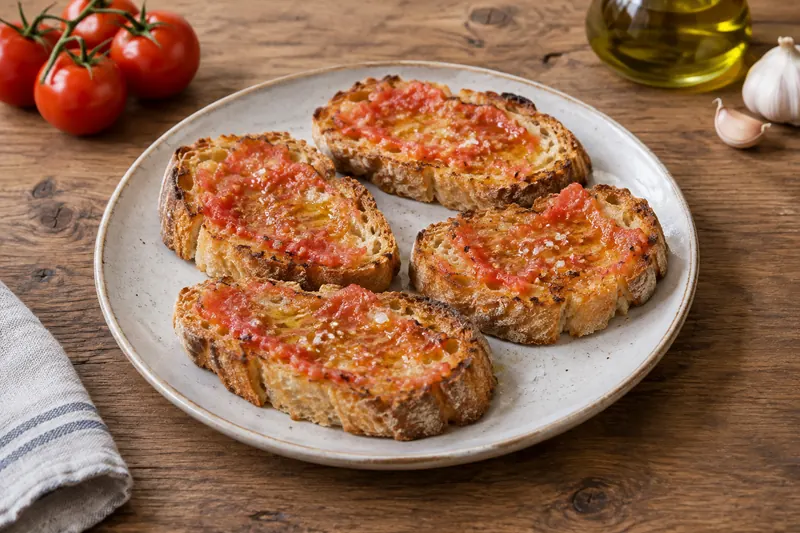 Pan con Tomate🇪🇸 Spanish recipes · Breakfast · 15 min
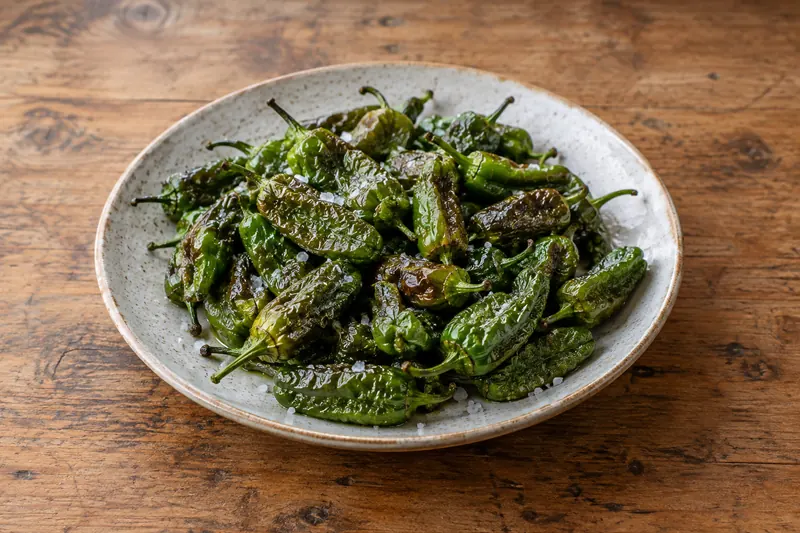 Pimientos de Padrón🇪🇸 Spanish recipes · Snack · 18 min
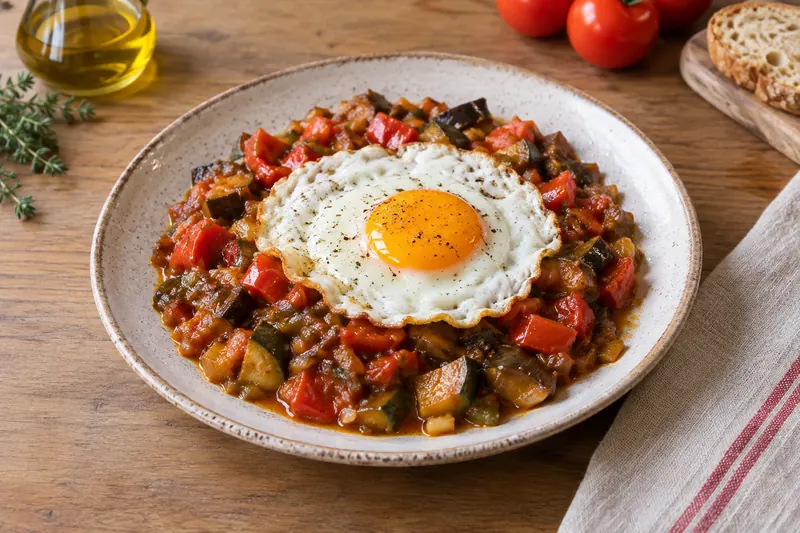 Pisto🇪🇸 Spanish recipes · Dinner · 1 h 35 min
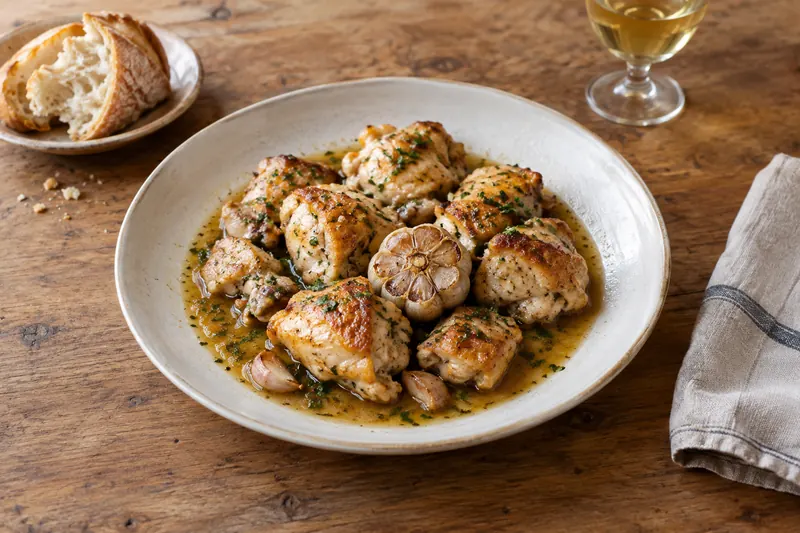 Pollo al Ajillo🇪🇸 Spanish recipes · Dinner · 50 min
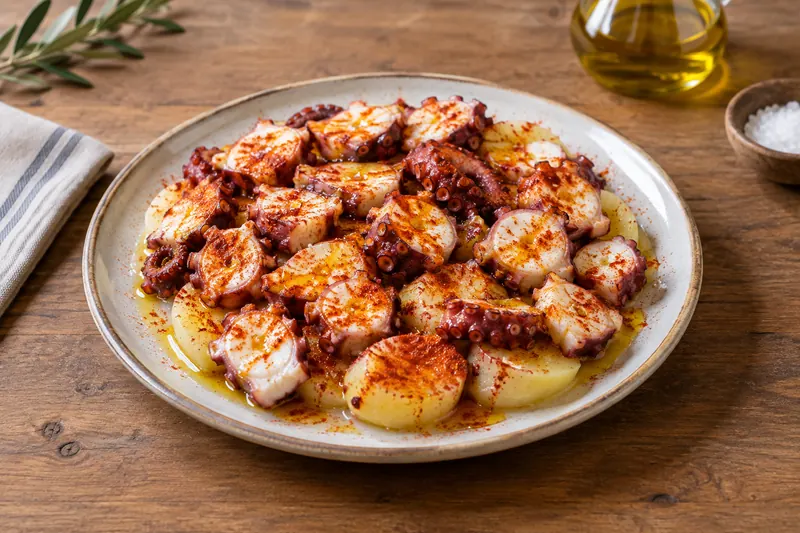 Pulpo a la Gallega🇪🇸 Spanish recipes · Dinner · 1 h 45 min
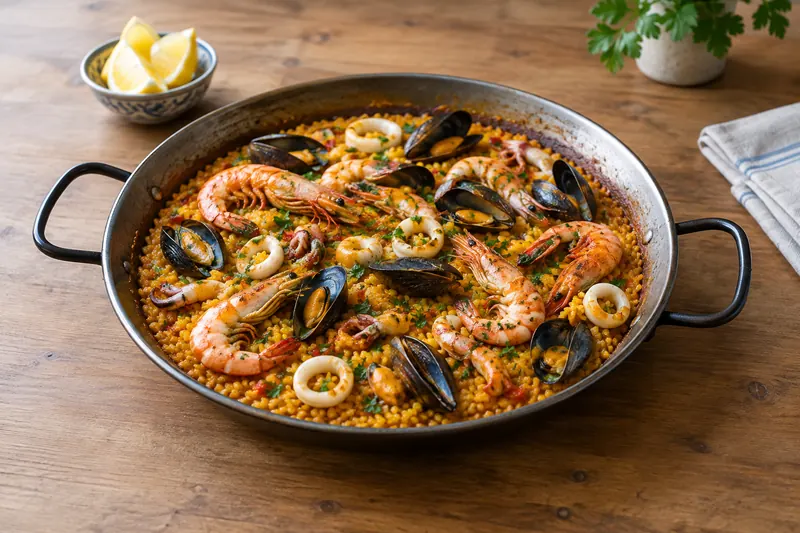 Seafood Paella🇪🇸 Spanish recipes · Dinner · 1 h 10 min
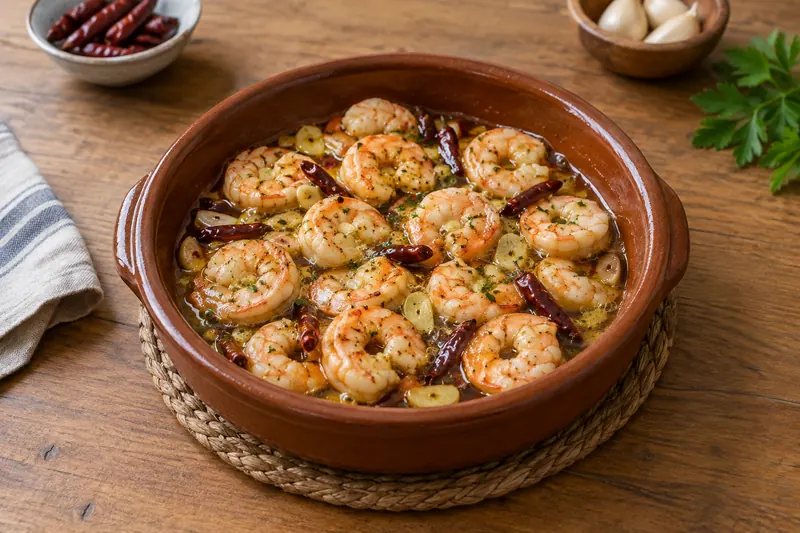 Gambas al Ajillo🇪🇸 Spanish recipes · Snack · 25 min
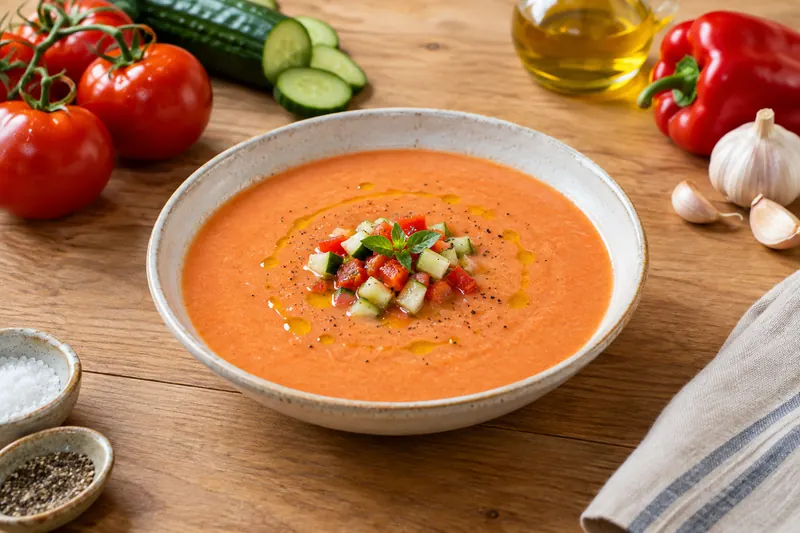 Gazpacho🇪🇸 Spanish recipes · Lunch · 2 h 20 min
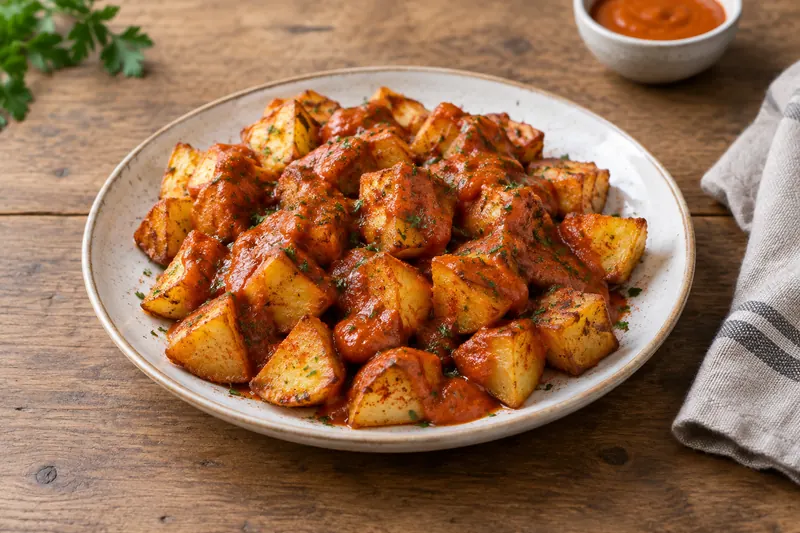 Patatas Bravas🇪🇸 Spanish recipes · Snack · 1 h 10 min
What makes Spanish cooking different
Spanish home cooking uses a small set of ingredients generously. Olive oil is for cooking as much as for dressing, and many dishes begin with a sofrito, onion and pepper cooked slowly in oil until soft and sweet. The filling of empanada gallega is forty minutes of exactly that, with tuna folded through at the end.
It is also strongly regional. Madrid claims cocido madrileño and churros con chocolate, Catalonia has escalivada and crema catalana, and Galicia bakes its empanada as one large pie cut into squares rather than as small turnovers. Lunch is the main meal of the day, and flan is a fixture of the set lunch menu, the menú del día.
The Spanish pantry: what to keep in stock
Buy more olive oil than you think you need. The potatoes for tortilla española are poached in it at a gentle heat, and escalivada is dressed with little else. Pimentón, Spanish paprika, gives chorizo its colour and goes into albóndigas twice: sweet in the meatballs, smoked in the sauce.
Cooking chorizo, the soft kind rather than the cured sausage for slicing, is what chorizo al vino needs, because the cured one turns hard in the pan. Good tinned tuna in olive oil goes into both ensaladilla rusa and empanada gallega, and a bottle of dry sherry, fino or manzanilla, sharpens the tomato sauce for albóndigas.
For the sweet side, keep eggs, whole milk, lemons and cinnamon sticks. Between them they cover flan and crema catalana, and both need hours in the fridge, so make them the day before.
How to put together a tapas evening
Tapas work best as a mix of temperatures. Pair one or two hot dishes, such as albóndigas or chorizo al vino, with plates served cool or at room temperature: tortilla española, ensaladilla rusa or escalivada. Put out bread for the sauces.
Most of it can be done ahead. Escalivada can be roasted hours earlier, ensaladilla rusa needs an hour in the fridge anyway, and a tortilla firms up as it rests. Chorizo al vino takes about twenty minutes, so it can go on as the first guests arrive.
Frequently asked questions
- What are the most common Spanish tapas?
- Some tapas turn up in bars all over Spain: tortilla española, ensaladilla rusa, albóndigas in tomato sauce and chorizo al vino are among the most familiar. A tapa is a small plate eaten with a drink, and three or four shared at a table make a full meal, with bread to mop up the sauces.
- How is a Spanish tortilla different from an omelette?
- A Spanish tortilla is a thick cake of potato and egg rather than a thin folded omelette. Thinly sliced potatoes and onion are poached slowly in olive oil, drained, left to soak in beaten egg and set in a pan, then flipped with the help of a plate. It is served warm or at room temperature, often with the centre still slightly soft.
- Is Spanish food spicy?
- Most Spanish food is not hot. The signature spice is pimentón, a paprika sold sweet, bittersweet or hot, and home cooks mostly use the sweet and smoked kinds for colour and depth rather than heat. Garlic, olive oil, sherry and slowly cooked onion do most of the seasoning, as the albóndigas and chorizo al vino here show.
- What is the difference between flan and crema catalana?
- Both are Spanish custards of eggs and milk, but they are cooked differently. Flan is baked in a water bath in a mould lined with dark caramel, chilled overnight and turned out, so the caramel runs down as a sauce. Crema catalana is thickened with cornflour in a pan on the hob, chilled in shallow dishes and finished with sugar burnt into a thin crust.
- What is cocido madrileño?
- Cocido madrileño is Madrid's one-pot stew of chickpeas, vegetables and several meats, served in three stages called vuelcos. The broth comes first with fine noodles, then the chickpeas, potatoes, carrots and cabbage, then the sliced meats with chorizo and morcilla. The chickpeas soak overnight and the pot simmers for about three hours, so it suits a weekend.