
Cozy fall dinner recipes
These autumn dinners are the slow, warming dishes of the colder months, from boeuf bourguignon braised in a whole bottle of red wine to chicken paprikash cooked on a deep bed of onions, and lamb tagine with prunes and almonds. Most ask for time rather than attention, and several taste better the next day.
Braise rouladen on a Sunday, make beef stroganoff in 40 minutes on a weeknight, and leave fårikål, Norway’s lamb and cabbage pot, to simmer on its own for two and a half hours. Every recipe gives exact amounts, scales to the number of people at the table and sends what you still need to a shared shopping list.
20 recipes
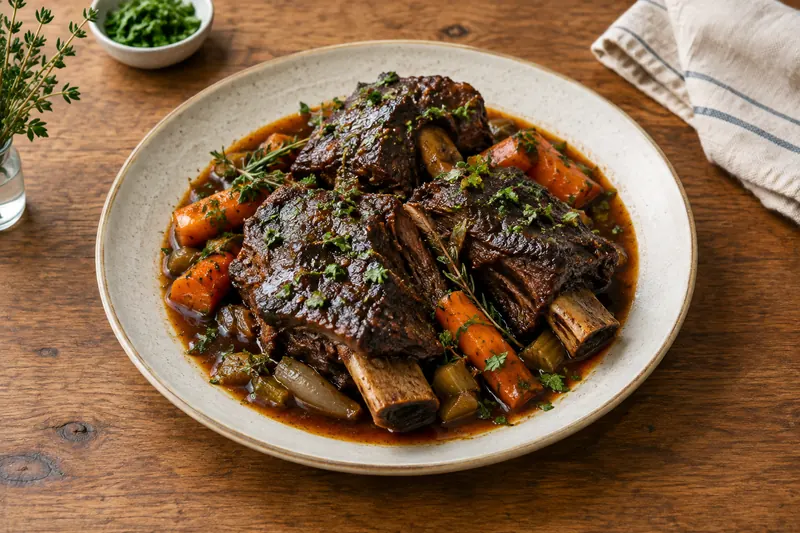 Braised Short Ribs🇺🇸 American recipes · Dinner · 4 h 40 min
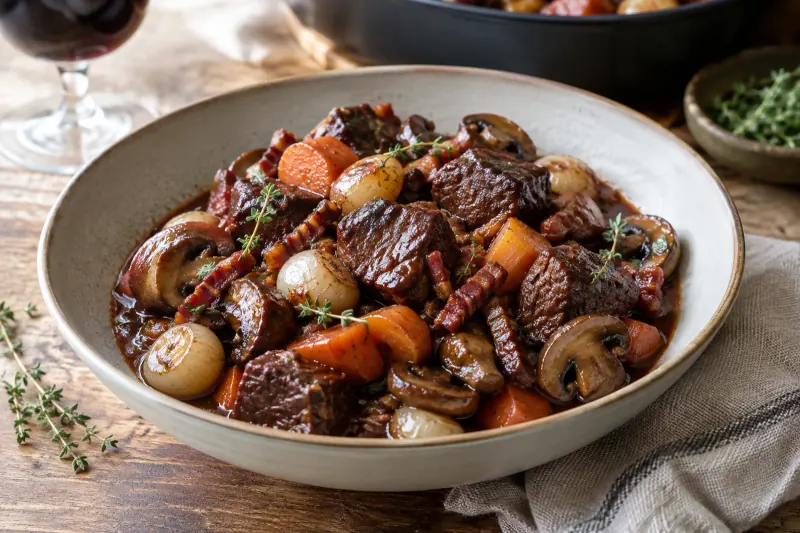 Boeuf Bourguignon🇫🇷 French recipes · Dinner · 4 h 10 min
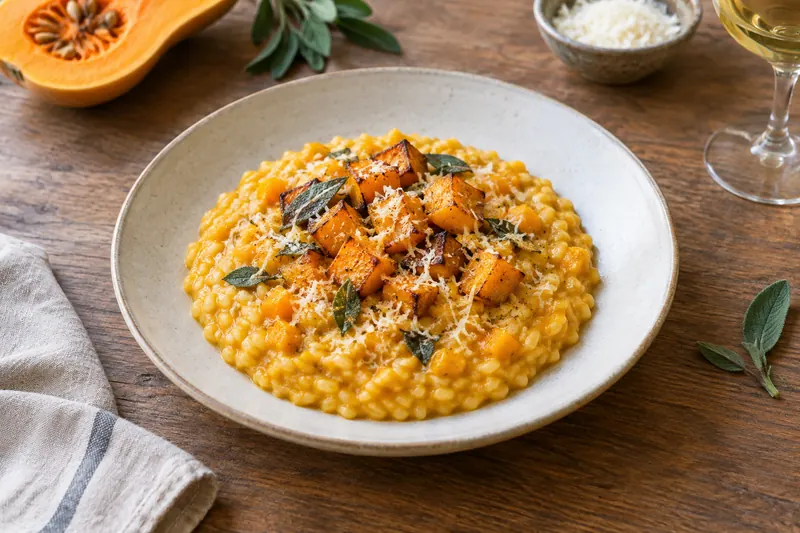 Butternut Squash Risotto🇮🇹 Italian recipes · Dinner · 1 h
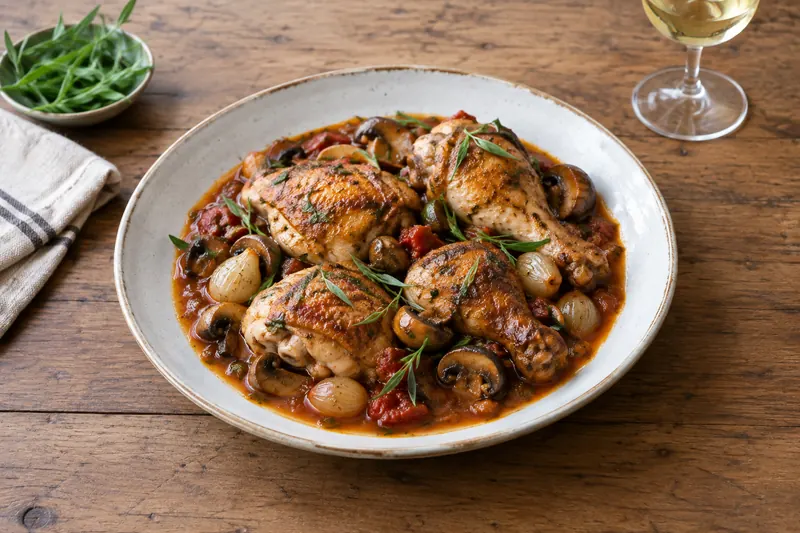 Chicken Chasseur🇫🇷 French recipes · Dinner · 1 h 10 min
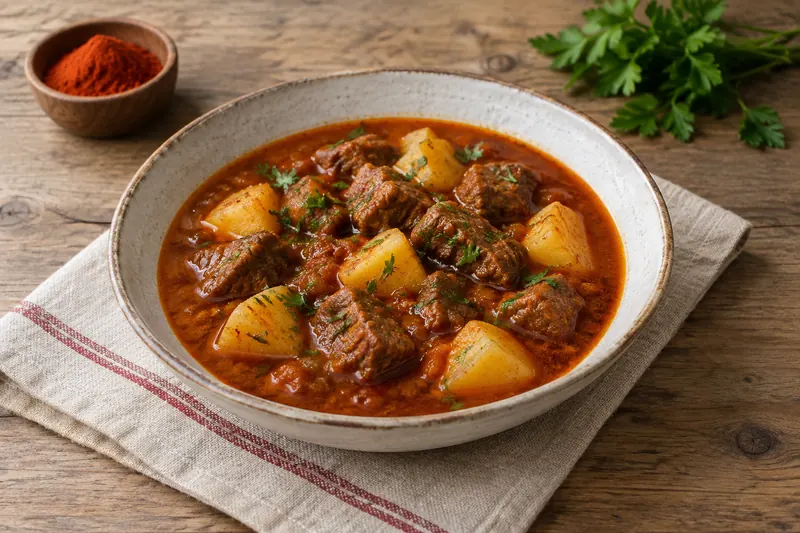 Goulash🌍 Eastern European recipes · Dinner · 3 h 20 min
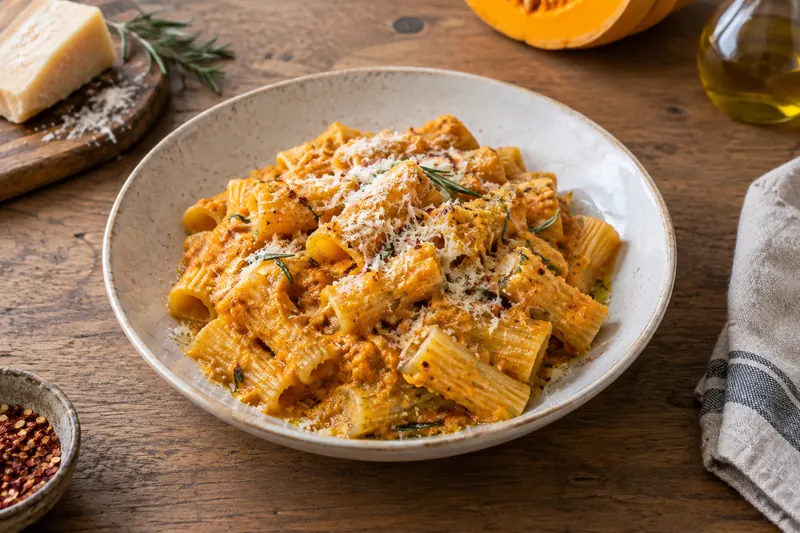 Pumpkin Pasta🇮🇹 Italian recipes · Dinner · 1 h 5 min
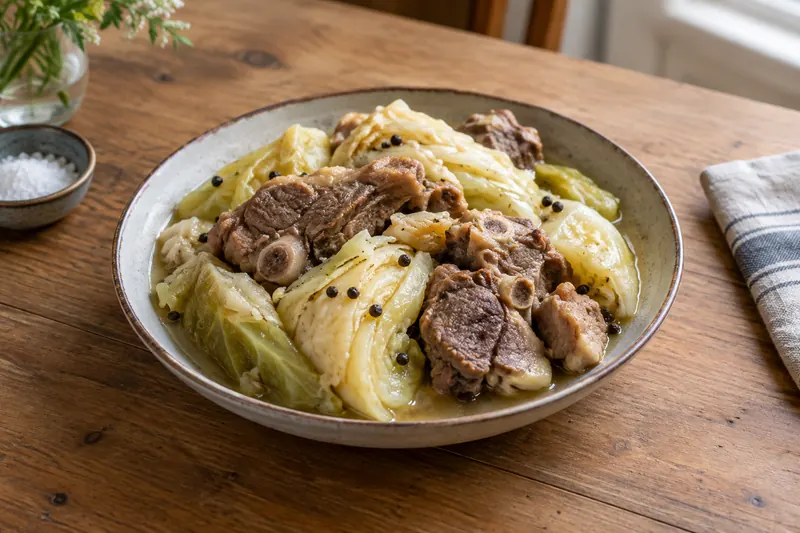 Fårikål🌍 Nordic recipes · Dinner · 2 h 50 min
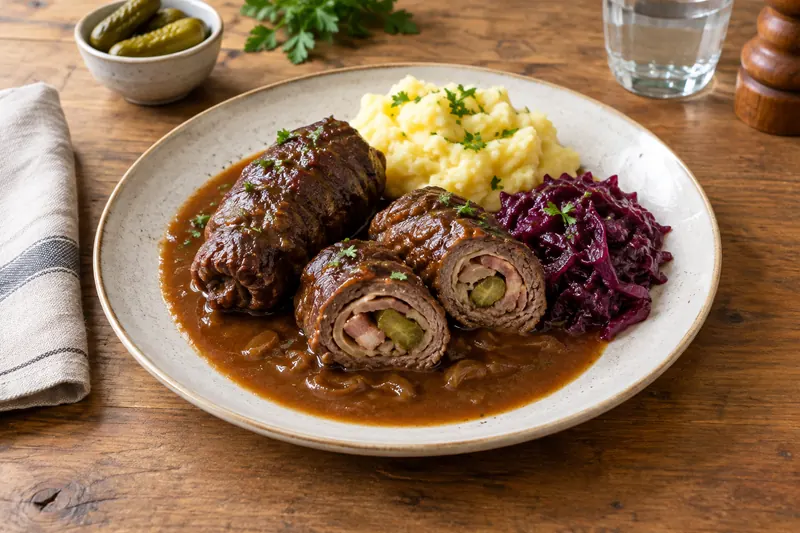 Rouladen🇩🇪 German recipes · Dinner · 2 h 35 min
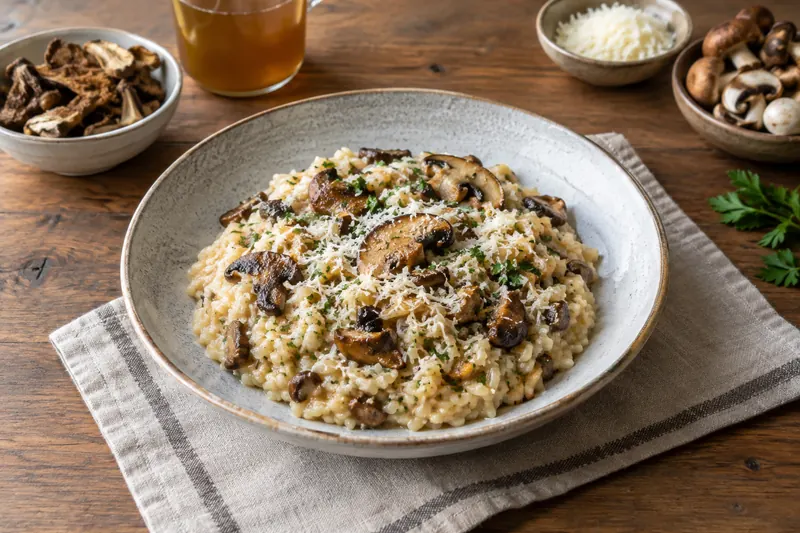 Mushroom Risotto🇮🇹 Italian recipes · Dinner · 55 min
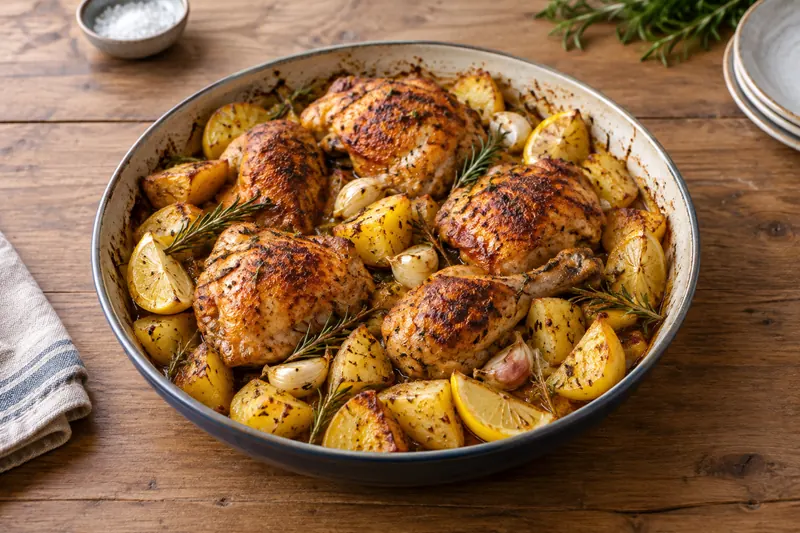 Baked Chicken and Potatoes🇺🇸 American recipes · Dinner · 1 h 15 min
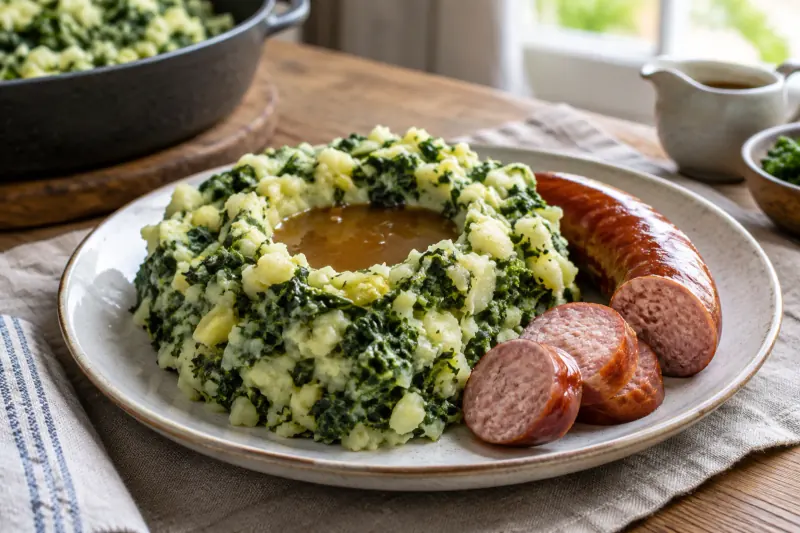 Stamppot🇳🇱 Dutch recipes · Dinner · 45 min
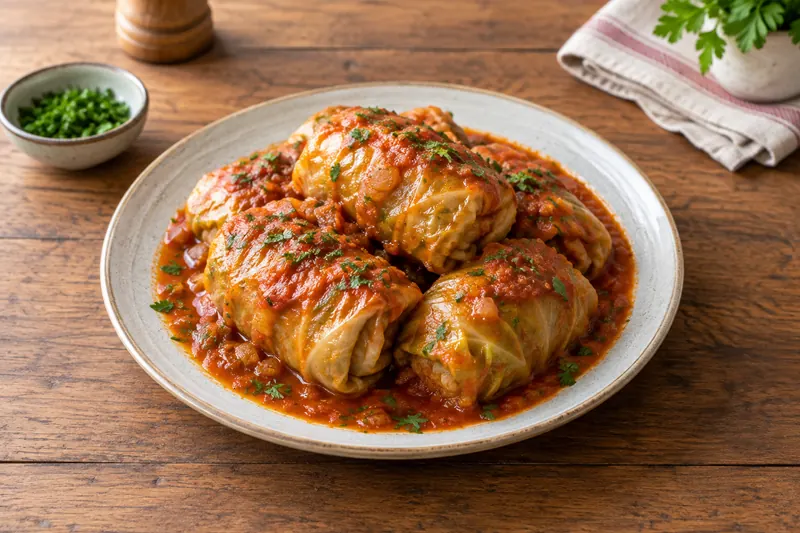 Gołąbki🌍 Eastern European recipes · Dinner · 2 h 40 min
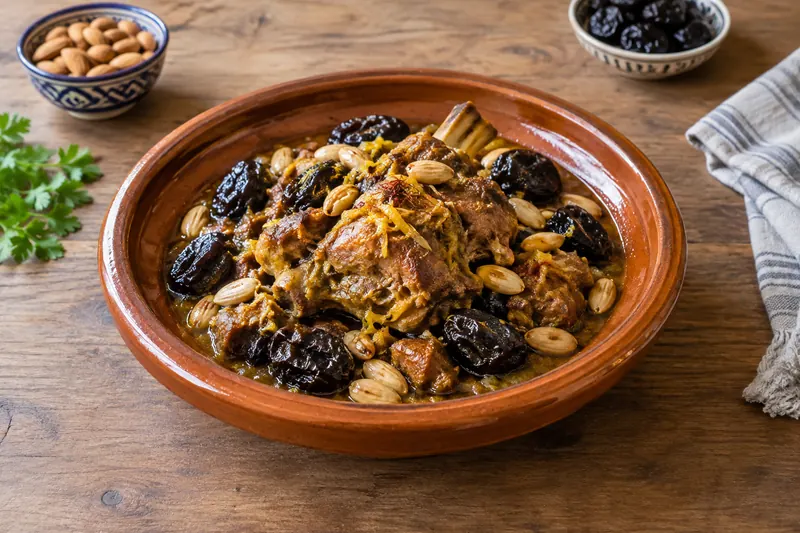 Lamb Tagine with Prunes and Almonds🌍 North African recipes · Dinner · 3 h 10 min
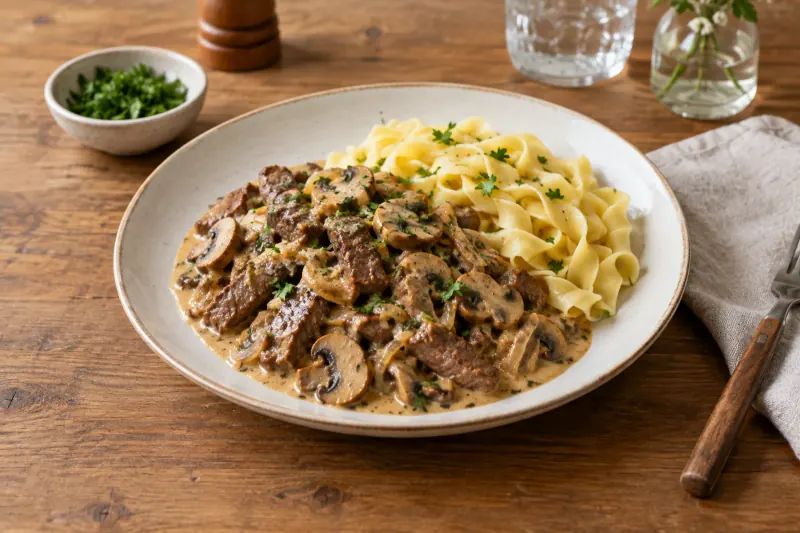 Beef Stroganoff🌍 Eastern European recipes · Dinner · 40 min
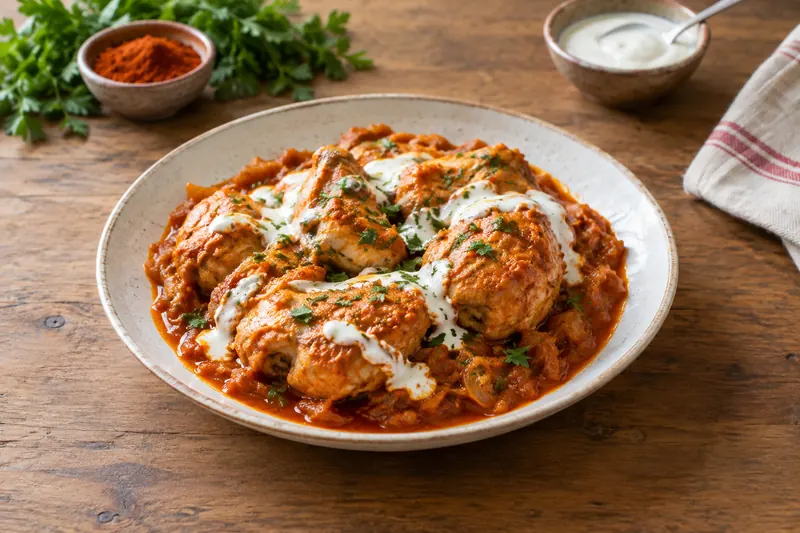 Chicken Paprikash🌍 Eastern European recipes · Dinner · 1 h 20 min
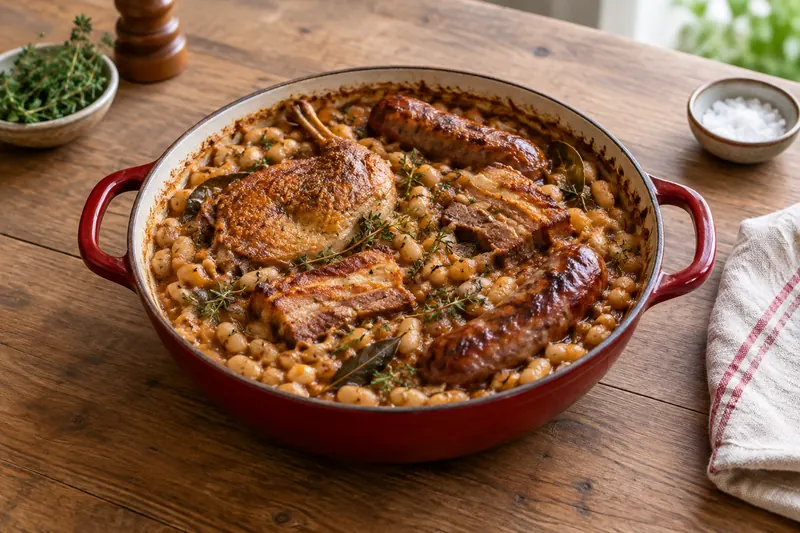 Cassoulet🇫🇷 French recipes · Dinner · 12 h 40 min
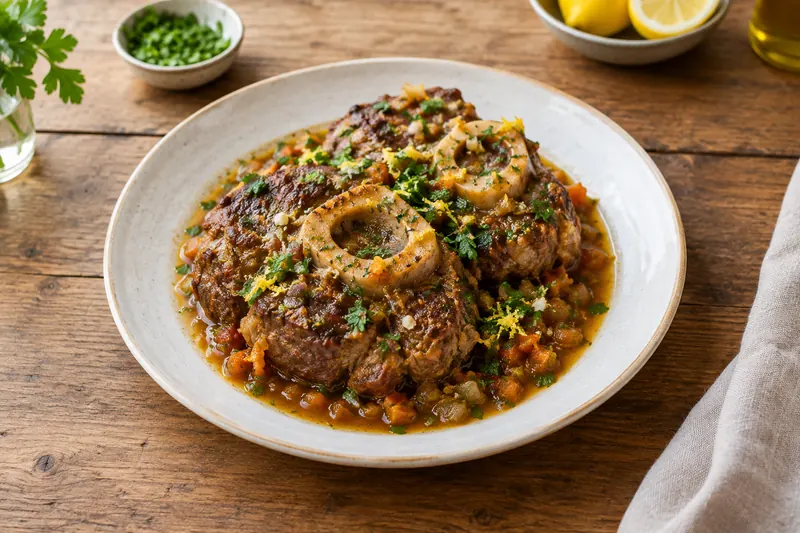 Osso Buco🇮🇹 Italian recipes · Dinner · 2 h 55 min
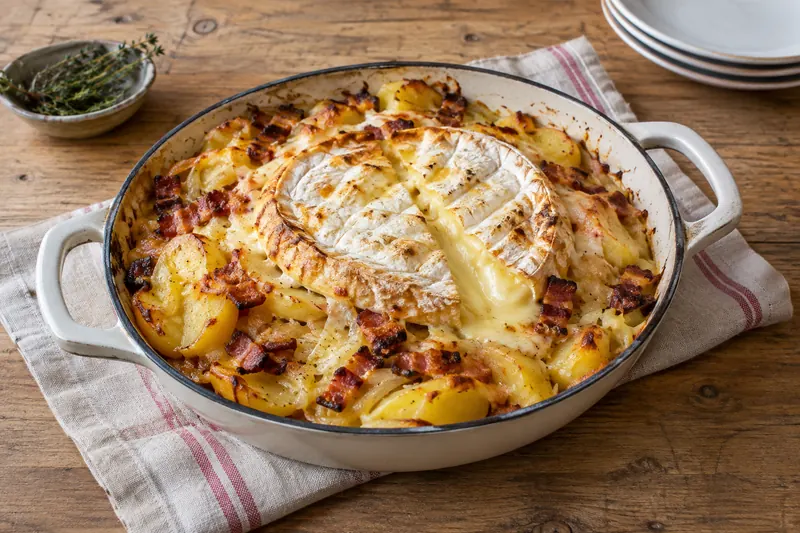 Tartiflette🇫🇷 French recipes · Dinner · 1 h 20 min
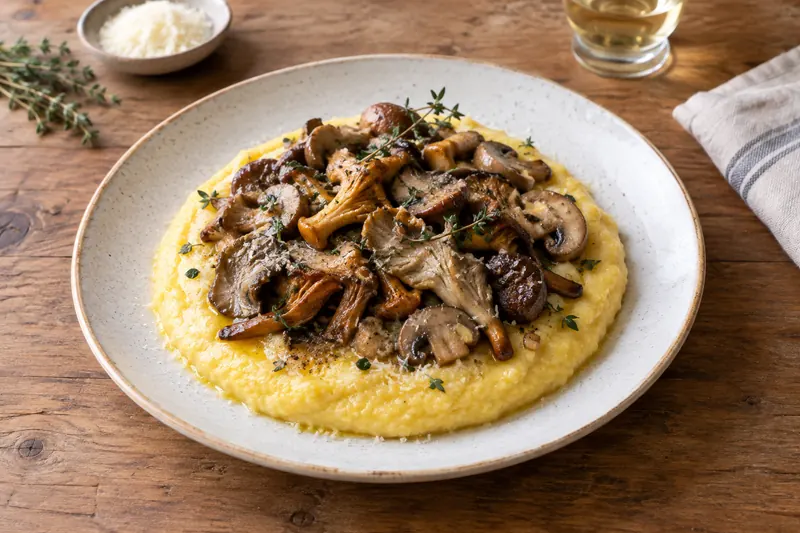 Polenta con Funghi🇮🇹 Italian recipes · Dinner · 1 h
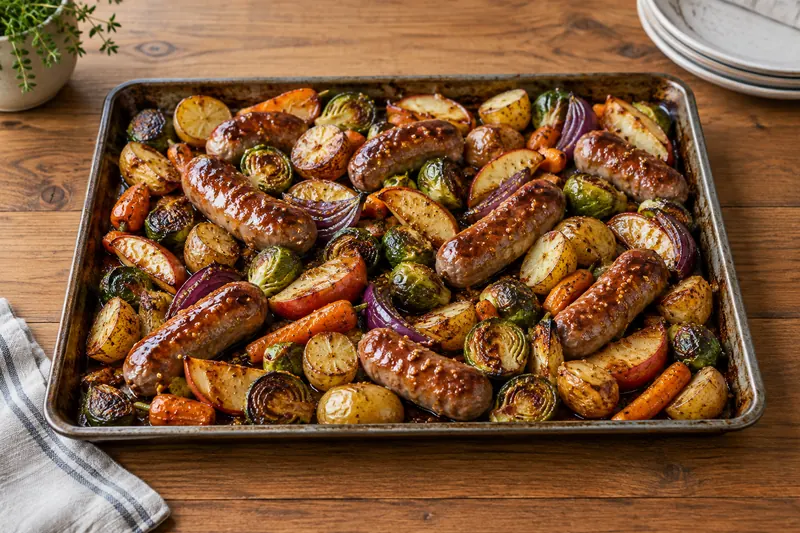 Sheet Pan Sausage and Vegetables🇺🇸 American recipes · Dinner · 1 h 10 min
Slow braises: the right cut and a good crust
Most of these fall dinners are braises and stews, and they depend on the cut. Goulash uses beef shin because its connective tissue melts into the broth and gives it body, while lean steak turns stringy however long it cooks. Lamb tagine with prunes and almonds wants shoulder on the bone, since a boned leg gives a thin, lean sauce.
Browning sets the colour of the sauce. The beef for boeuf bourguignon is patted dry and browned in three or four batches, because wet meat steams, and rouladen take almost all the colour of their gravy from the crust on the rolls. Goulash and fårikål skip the step on purpose: the beef in goulash colours in paprika-red fat instead, and fårikål is meant to taste pale and clean.
Paprika, mushrooms and the last few minutes
Goulash and chicken paprikash share one rule: the pan comes off the heat before the sweet paprika goes in, because paprika scorches in seconds and turns the whole pot bitter. Both use a great deal of it, so buy it fresh; paprika more than a year old tastes of dust rather than sweet pepper.
Some ingredients are kept apart until the end. The mushrooms and baby onions for boeuf bourguignon are cooked separately in butter and folded in once the beef is done, so they keep their shape and their own flavour. Chicken chasseur browns its mushrooms on their own too, since raw ones release water and thin the sauce, and gets its tarragon off the heat.
Making autumn dinners a day ahead
The long braises reward cooking a day early. Goulash keeps three days in the fridge; if you make it ahead, add the potatoes when you reheat, as they turn grainy overnight. Rouladen can be frozen in their gravy for up to three months, and the lamb tagine is better on the second day, with the toasted almonds kept in a jar and scattered over just before serving. Fårikål is traditionally made in a very large pot because it is better reheated the next day.
Frequently asked questions
- What are rouladen?
- Rouladen are a German Sunday dinner: thin slices of beef topside spread with mustard and rolled around streaky bacon, onion and pickled gherkin, tied with string, browned hard and braised in stock for one and a half to two hours. The strained braising liquid becomes the gravy, and they are better the next day; they also freeze in their gravy for up to three months.
- Can you make boeuf bourguignon the day before?
- Yes, and it is better for it. Cool boeuf bourguignon completely, keep it in the fridge for up to three days and reheat it gently on the hob; a night in the cold rounds off the wine and deepens the flavour. Use a wine you would happily drink, because the whole bottle is the sauce and a harsh wine stays harsh however long it cooks.
- How do you stop soured cream curdling in a sauce?
- Never let it boil. For chicken paprikash, whisk the flour into room-temperature soured cream, beat in a ladleful of the hot sauce, then stir it all back into the pan off the heat and warm it through without boiling. For beef stroganoff, the pan comes off the heat before the soured cream goes in, and the sauce is not allowed to boil again, or it splits.
- What is fårikål?
- Fårikål is Norway’s national dish: lamb shoulder in thick pieces on the bone, layered in a heavy pot with wedges of white cabbage, salt and whole black peppercorns, then simmered in water as gently as possible for two to two and a half hours. The lamb is never browned, the peppercorns are eaten whole, and it is served in deep bowls with boiled potatoes.
- Why do the prunes go in at the end of a lamb tagine?
- So they keep their shape and the sauce stays savoury rather than turning to syrup. In the lamb tagine with prunes and almonds here, the lamb simmers for two hours with ginger, saffron and cinnamon first; the soaked prunes then cook in the reduced sauce with honey for eight minutes, until glossy and swollen. Honey added at the start would caramelise and turn the whole tagine cloyingly sweet.