
Eastern European recipes
This collection of Eastern European recipes gathers the warming food of a wide region, from Hungarian paprika stews to Balkan pastries and Ukrainian beetroot soup. It is generous cooking made for cold evenings: slow braises on a bed of onions, thin dough wrapped around meat, and soured cream stirred in at the end.
Make borscht when you want a big pot of soup and chicken paprikash for dinner. Burek, coiled and baked in a round tin, is for sharing with your hands, chicken Kyiv is the one for a special night, and dobos torte is the showpiece cake. Scale any recipe to your household and send the ingredients you are missing to a shared list.
26 recipes
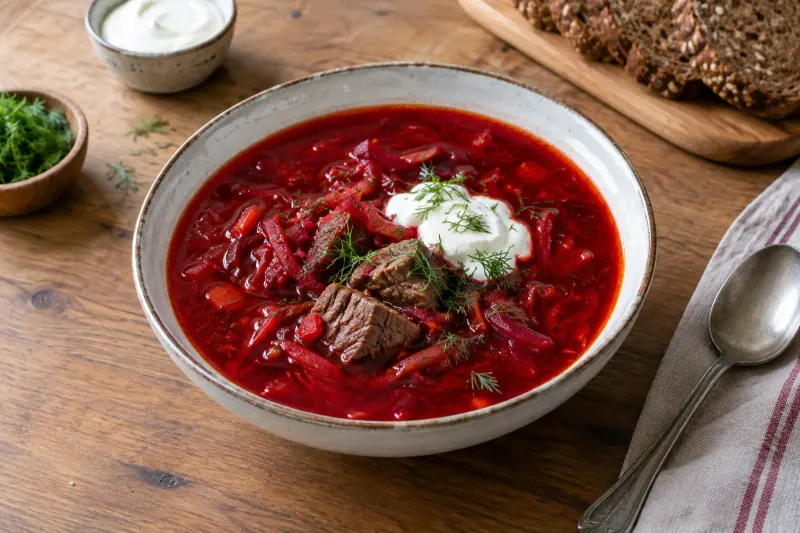 Borscht🌍 Eastern European recipes · Lunch · 2 h 40 min
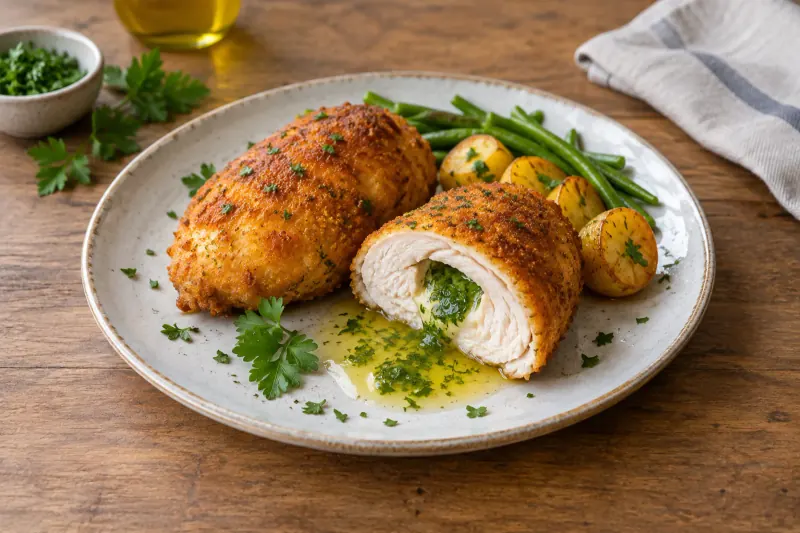 Chicken Kyiv🌍 Eastern European recipes · Dinner · 2 h 30 min
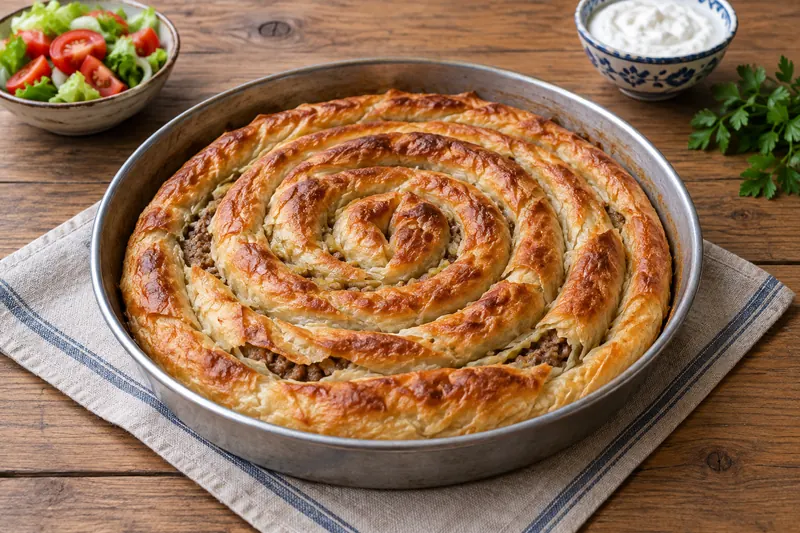 Burek🌍 Eastern European recipes · Snack · 1 h 15 min
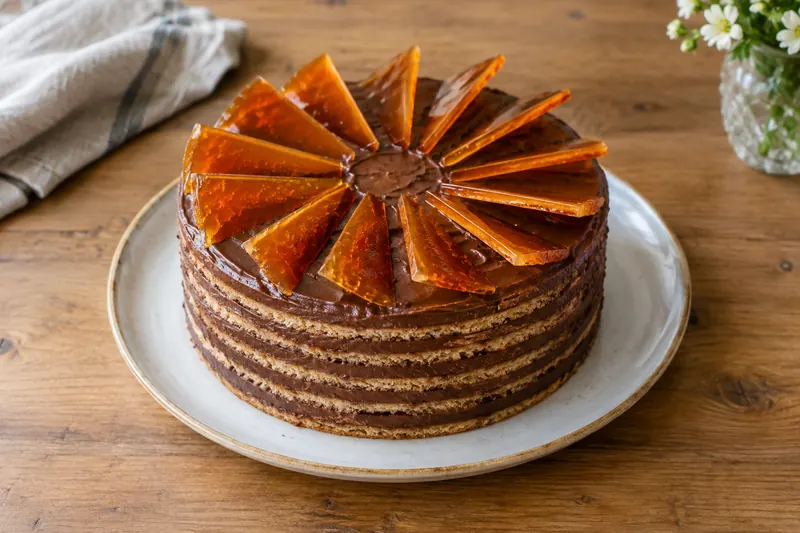 Dobos Torte🌍 Eastern European recipes · Dessert · 2 h 10 min
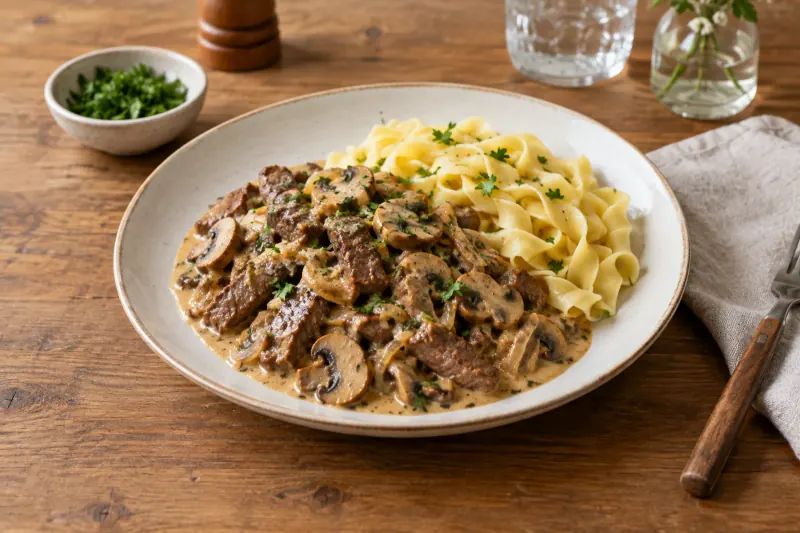 Beef Stroganoff🌍 Eastern European recipes · Dinner · 40 min
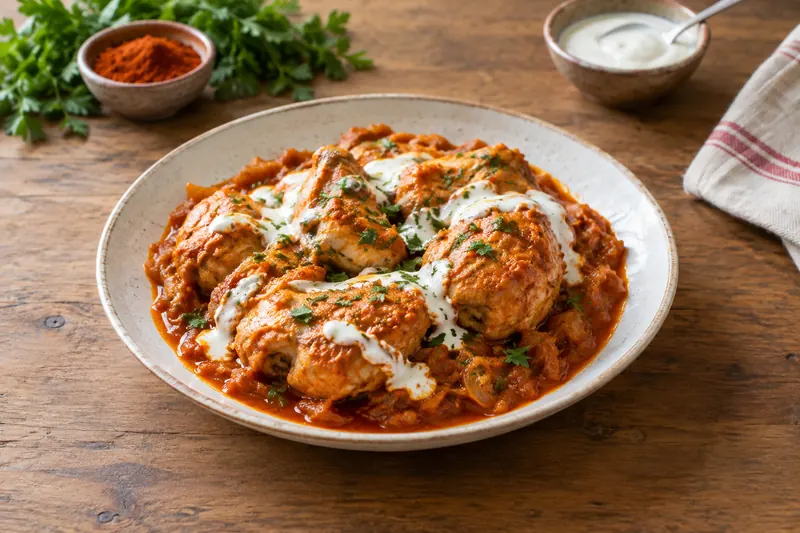 Chicken Paprikash🌍 Eastern European recipes · Dinner · 1 h 20 min
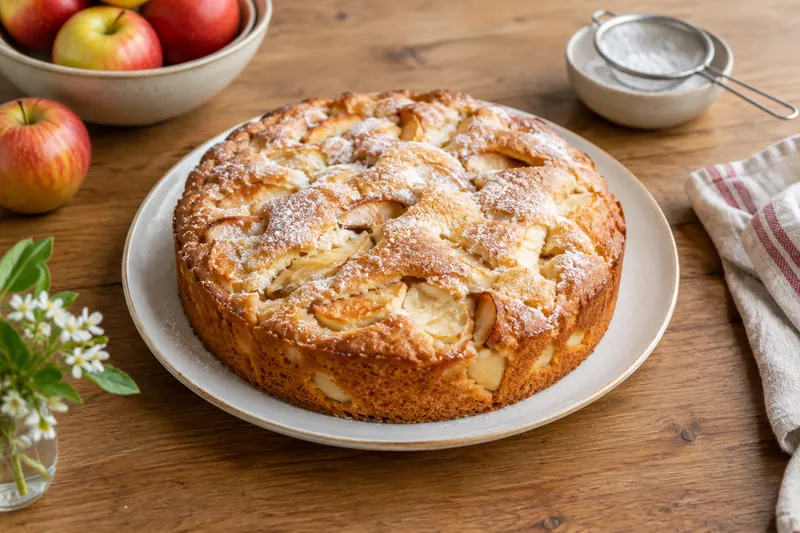 Sharlotka🌍 Eastern European recipes · Dessert · 1 h 55 min
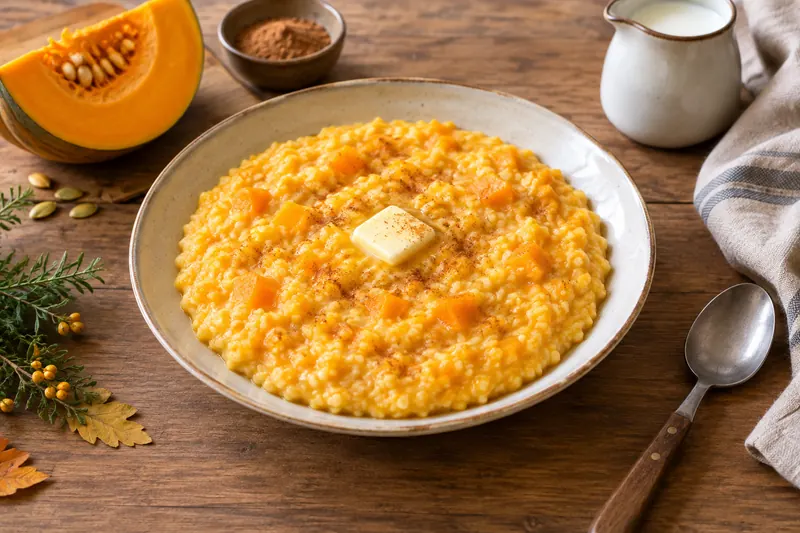 Tykvennaya Kasha🌍 Eastern European recipes · Breakfast · 1 h 10 min
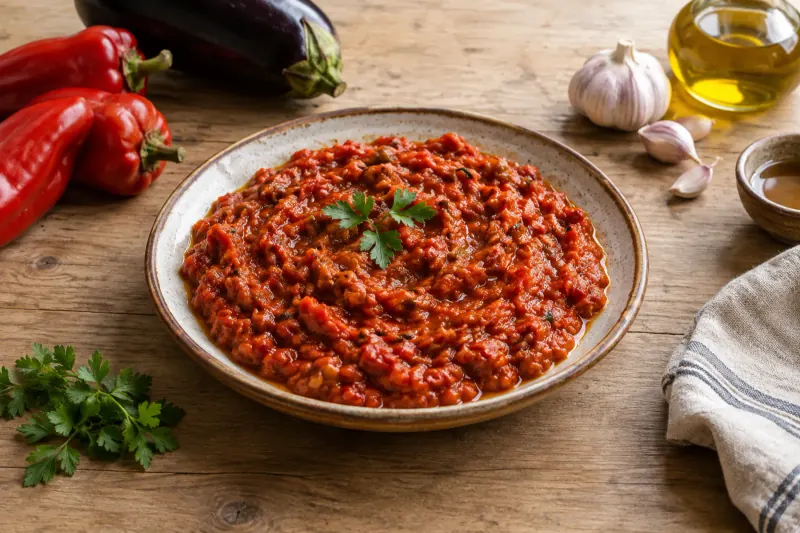 Ajvar🌍 Eastern European recipes · Side dish · 2 h 45 min
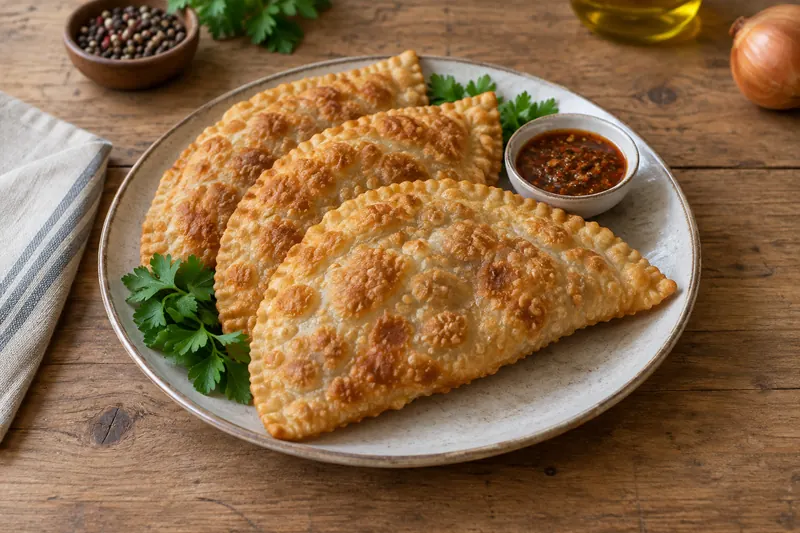 Chebureki🌍 Eastern European recipes · Snack · 1 h 40 min
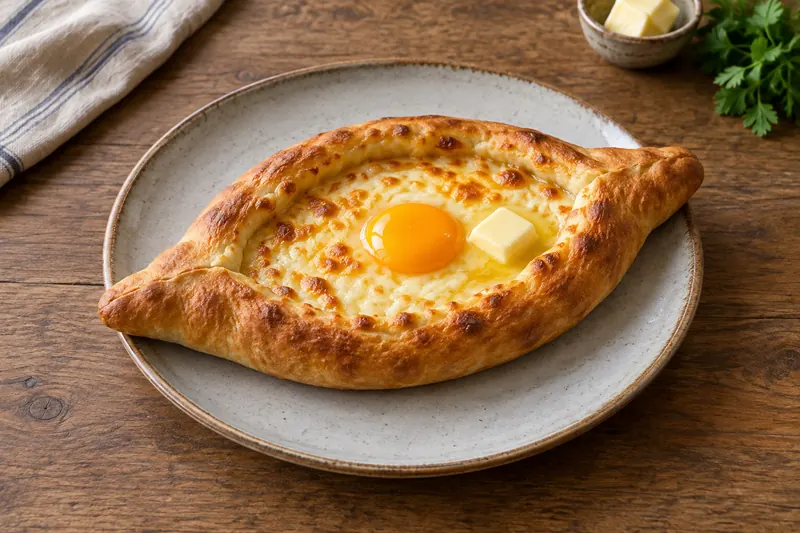 Khachapuri🌍 Eastern European recipes · Lunch · 1 h 45 min
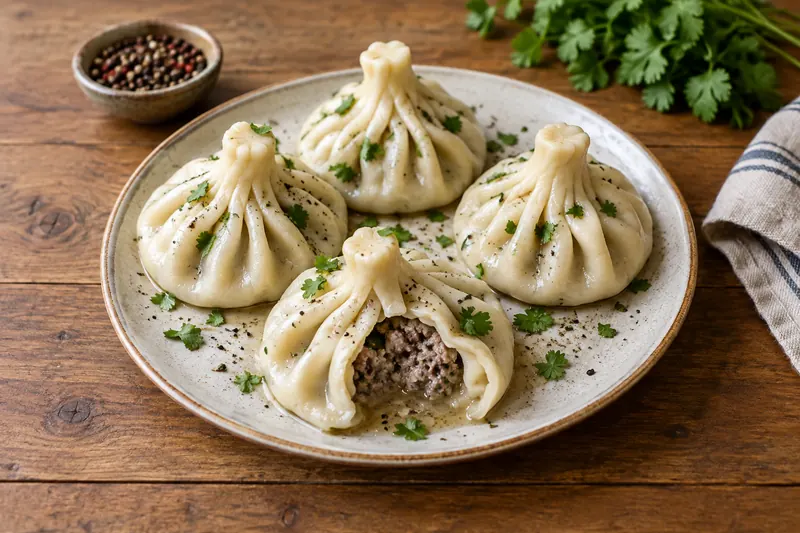 Khinkali🌍 Eastern European recipes · Dinner · 2 h 10 min
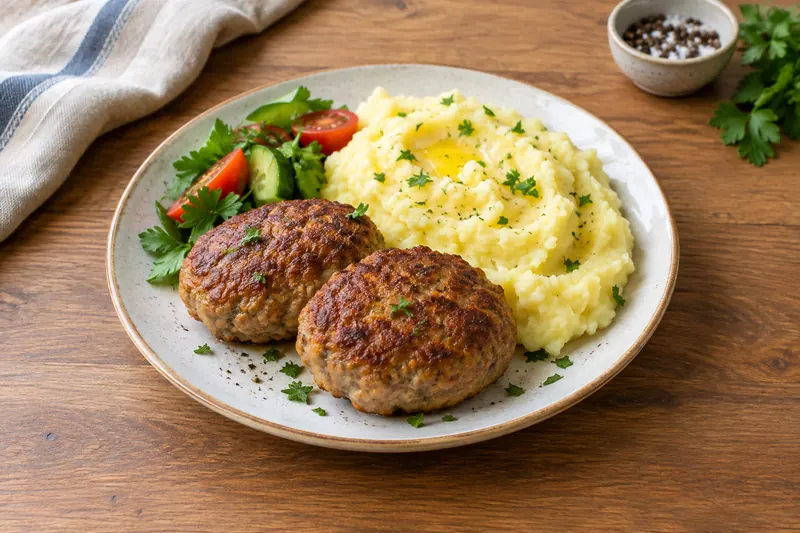 Kotlety🌍 Eastern European recipes · Dinner · 40 min
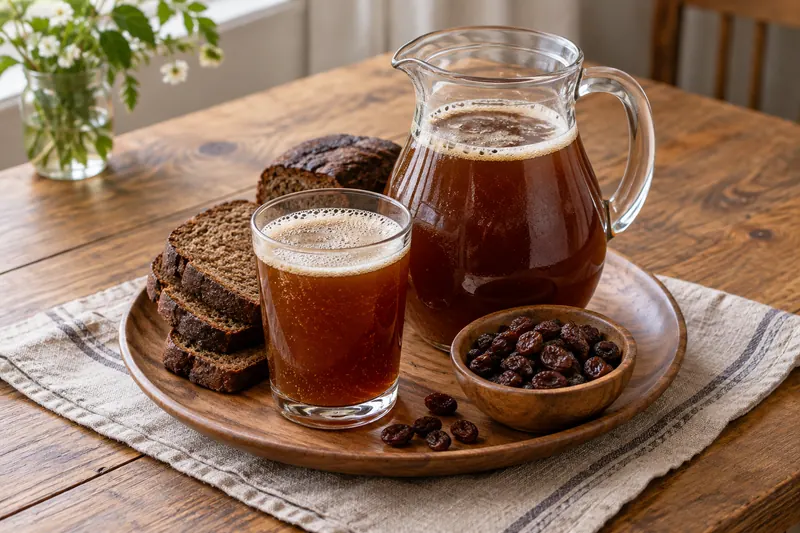 Kvass🌍 Eastern European recipes · Drink · 1 day 1 h
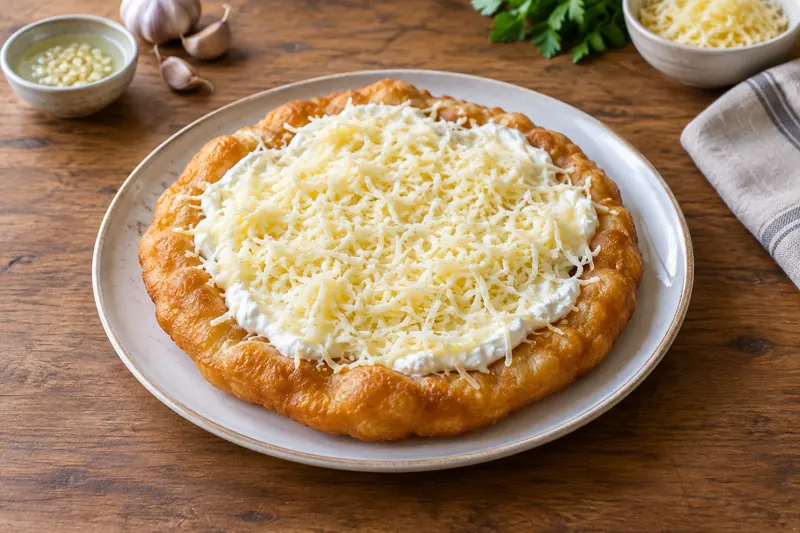 Lángos🌍 Eastern European recipes · Snack · 2 h 10 min
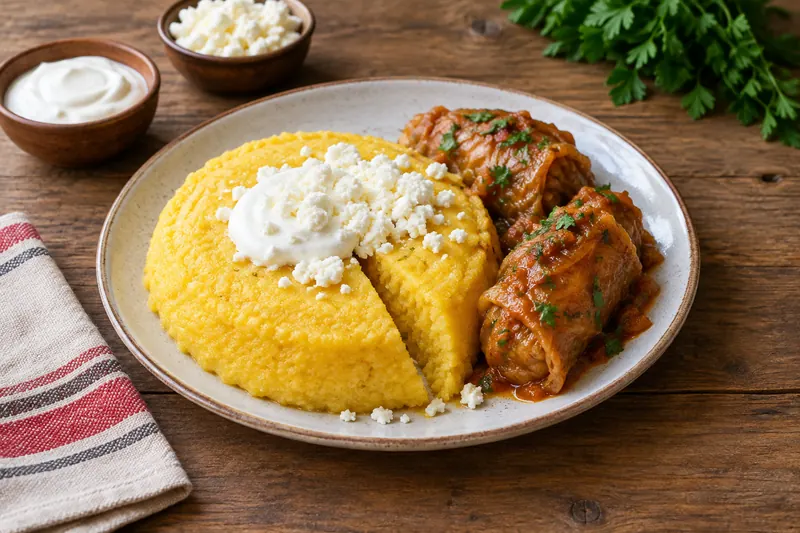 Mămăligă🌍 Eastern European recipes · Side dish · 40 min
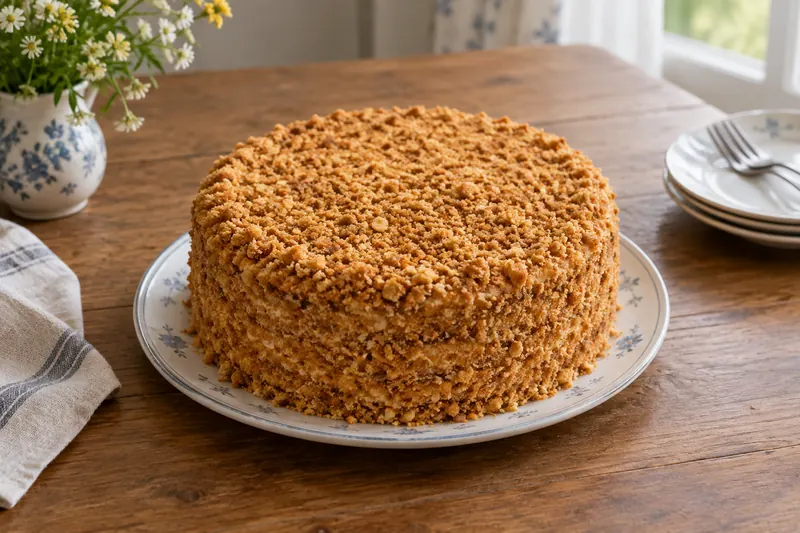 Medovik🌍 Eastern European recipes · Dessert · 14 h 40 min
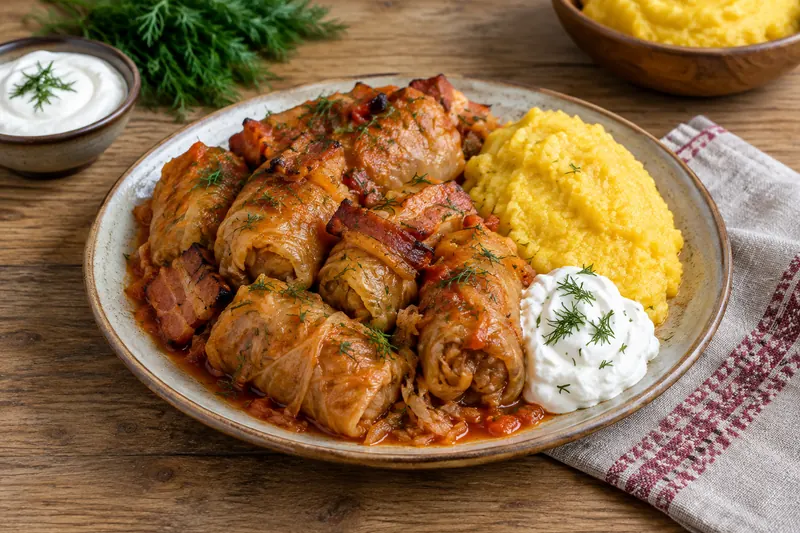 Sarmale🌍 Eastern European recipes · Dinner · 4 h 15 min
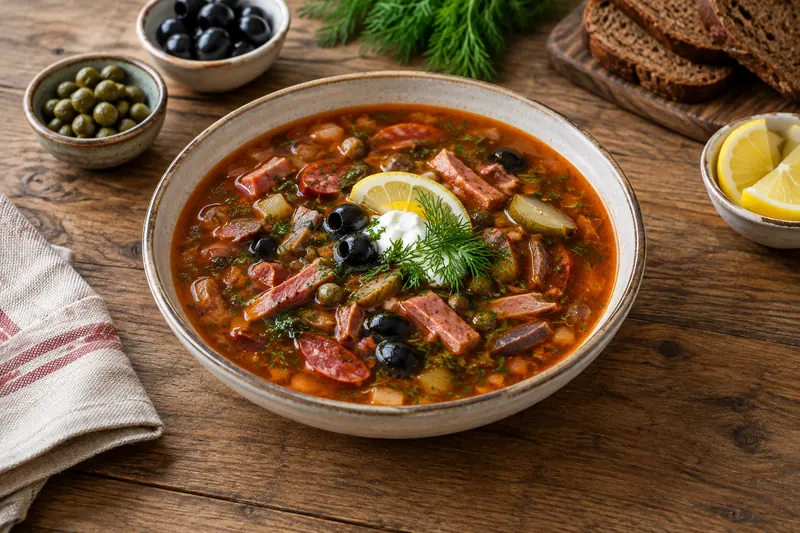 Solyanka🌍 Eastern European recipes · Lunch · 1 h 10 min
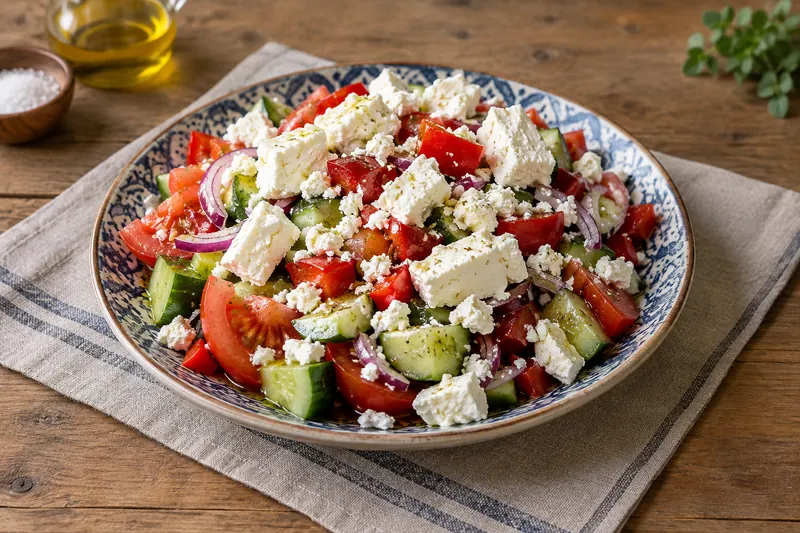 Šopska Salad🌍 Eastern European recipes · Side dish · 15 min
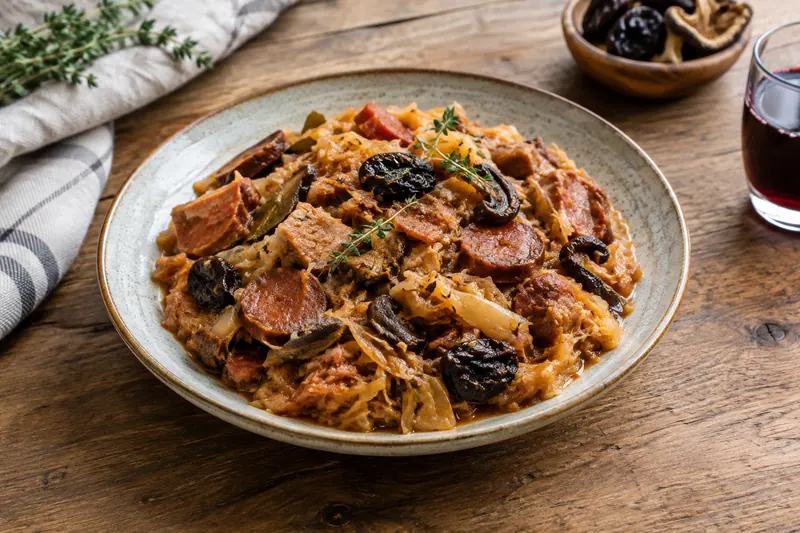 Bigos🌍 Eastern European recipes · Dinner · 3 h 30 min
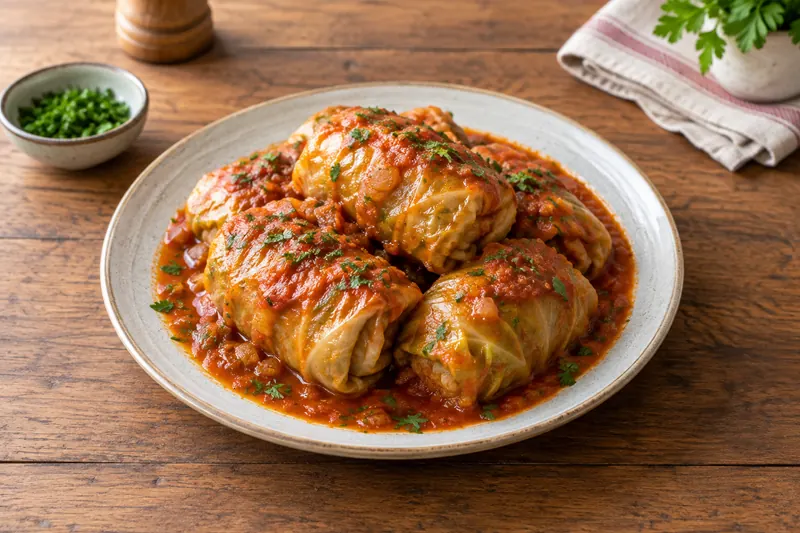 Gołąbki🌍 Eastern European recipes · Dinner · 2 h 40 min
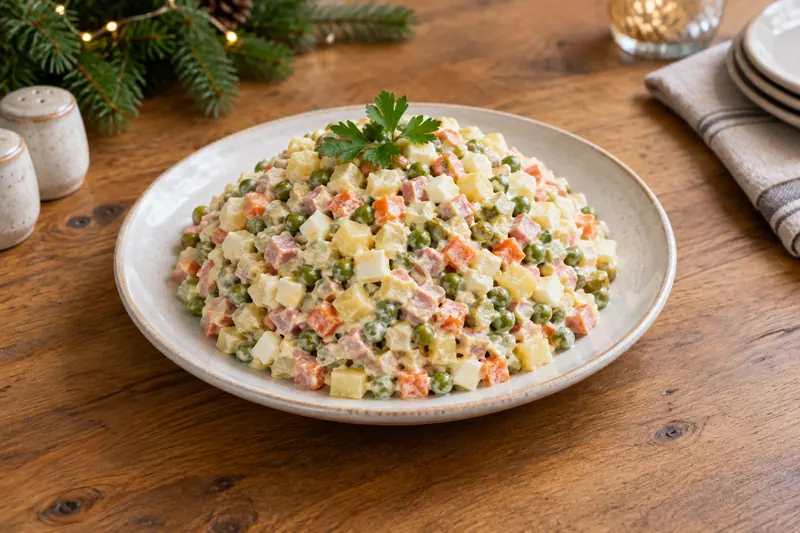 Olivier Salad🌍 Eastern European recipes · Side dish · 3 h 50 min
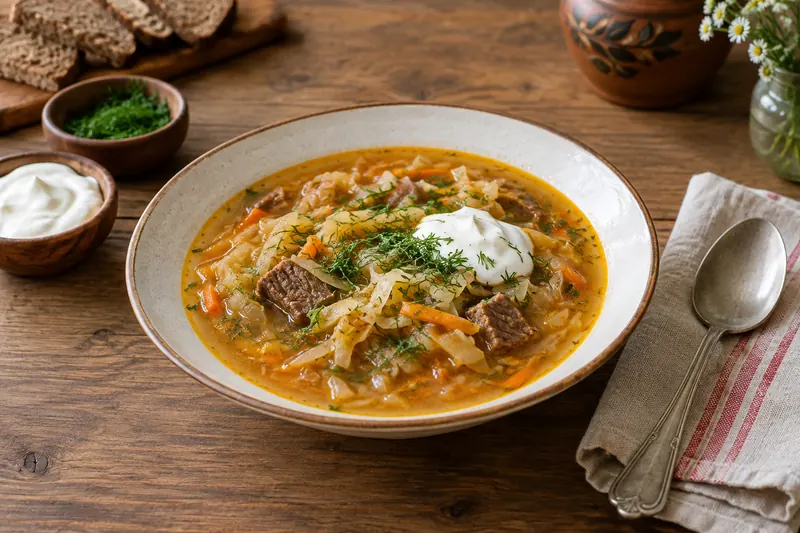 Shchi🌍 Eastern European recipes · Lunch · 3 h 30 min
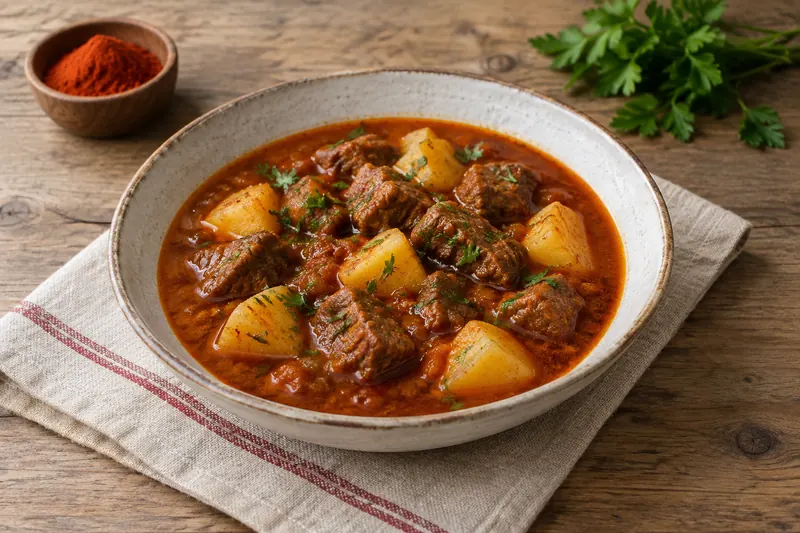 Goulash🌍 Eastern European recipes · Dinner · 3 h 20 min
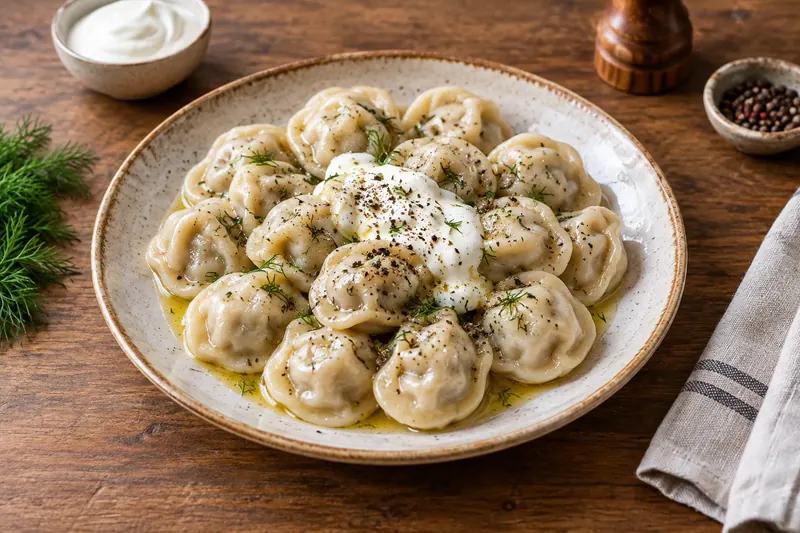 Pelmeni🌍 Eastern European recipes · Dinner · 2 h
What connects Eastern European cooking
Eastern Europe is many cuisines rather than one, and this page takes in Hungarian, Ukrainian, Russian, Balkan and Crimean Tatar dishes. What links them is a practical, seasonal kitchen: onions, beetroot and cabbage through the winter, peppers roasted at the end of summer, soured cream and dill on the table, and dough rolled thin and filled with meat.
Hungary builds its cooking on onions and sweet paprika. Chicken paprikash softens almost as much onion as there is chicken, then takes three tablespoons of paprika with the pan pulled off the heat, because paprika burns and turns bitter in seconds over a flame.
Further south, the Balkans cook with peppers. Ajvar is red peppers and aubergine charred whole, peeled and cooked down slowly in oil with garlic and vinegar, and families make it in huge batches every autumn. The version here keeps for two weeks in the fridge, or can be frozen.
Soured cream, beetroot and paprika: what to keep in stock
Soured cream finishes both chicken paprikash and beef stroganoff and is spooned onto borscht at the table. In the stews it must not boil: stroganoff stirs it in off the heat, and paprikash tempers it first with flour and a ladle of hot sauce, so neither curdles into grains.
Buy real Hungarian sweet paprika in small amounts and replace it once it loses its bright red colour, because stale paprika tastes of dust. Beetroot keeps for weeks in a cool place, and the borscht here fries it separately with vinegar and tomato paste, which fixes the colour so the soup stays deep red instead of turning brown.
How to plan a meal from this page
Borscht with bread, soured cream and dill is a meal on its own, and it is better the next day. Beef stroganoff takes about forty minutes, so it suits a weeknight, while chicken Kyiv needs its garlic butter frozen hard first and is better kept for a weekend.
For a crowd, bake burek, ropes of filo filled with raw minced beef and coiled into a round tin, and serve it with yoghurt. Chebureki are half-moon turnovers of spiced lamb that fry in a few minutes and have to be eaten hot. Dobos torte, with its fan of caramel wedges on top, is the showpiece to finish.
Frequently asked questions
- Is borscht Russian or Ukrainian?
- Borscht is most closely tied to Ukraine, where it is regarded as a national dish, and versions are cooked across Poland, Russia, Belarus and Lithuania. What they share is a sour-sweet beetroot soup. The recipe here builds it on a beef shin broth with potatoes, cabbage and carrot, and serves it with soured cream and dill.
- What do you serve with chicken paprikash?
- In Hungary chicken paprikash is traditionally served with small, soft egg dumplings that soak up the paprika and soured cream sauce. Buttered wide noodles do the same job and are easier to find, and plain rice works too. Something sharp on the side, such as sliced cucumber dressed with vinegar, cuts through the richness.
- How do you stop the butter leaking out of chicken Kyiv?
- Freeze the garlic butter until it is solid enough to tap on the worktop, and keep it in the freezer until the moment it goes into the chicken. Leave the edges of the breast thick so they seal, then coat each parcel in flour, egg and crumbs, and put it through egg and crumbs a second time to close any gaps.
- What cut of beef is best for beef stroganoff?
- Use a tender cut that cooks fast, such as sirloin or fillet, cut into finger-thick strips and dried well. Stroganoff beef is seared for barely a minute so it stays rare inside, then warmed through in the sauce at the end, and a braising cut would stay tough in that time. Serve it with buttered noodles, rice or straw potatoes.
- What is dobos torte?
- Dobos torte is a Hungarian layer cake from Budapest, named after the confectioner József Dobos. Five very thin sponge layers are stacked with chocolate buttercream, and a sixth is covered in caramel, cut into wedges and stood on top at an angle. It was designed to keep well without refrigeration, and the caramel has to be scored before it sets.