
Italian recipes
These Italian recipes are home-cooking classics, and they reward restraint: a few good ingredients, handled with care. A cacio e pepe is pasta, pecorino and pepper, and the skill is in the timing, not the shopping.
Make lasagne alla bolognese for a Sunday, margherita pizza on a slow-risen dough, chicken cacciatore on a weeknight, and cannoli when you want a weekend project. Each recipe gives exact quantities, scales to the number of people at the table, and puts the ingredients you do not have yet onto a shared list, grouped by aisle.
34 recipes
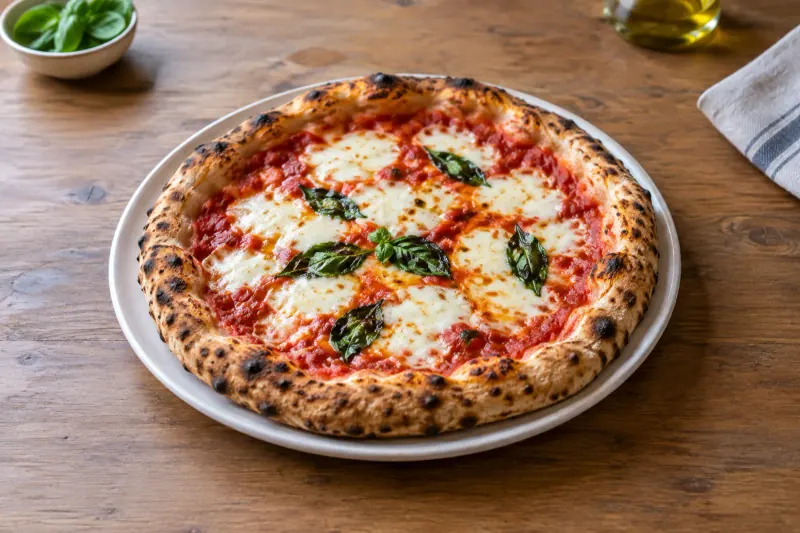 Margherita Pizza🇮🇹 Italian recipes · Dinner · 11 h 30 min
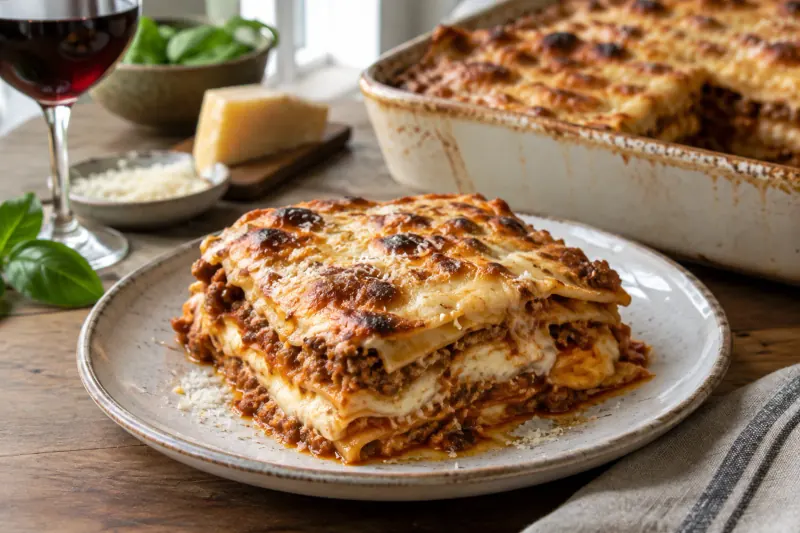 Lasagne alla Bolognese🇮🇹 Italian recipes · Dinner · 4 h 15 min
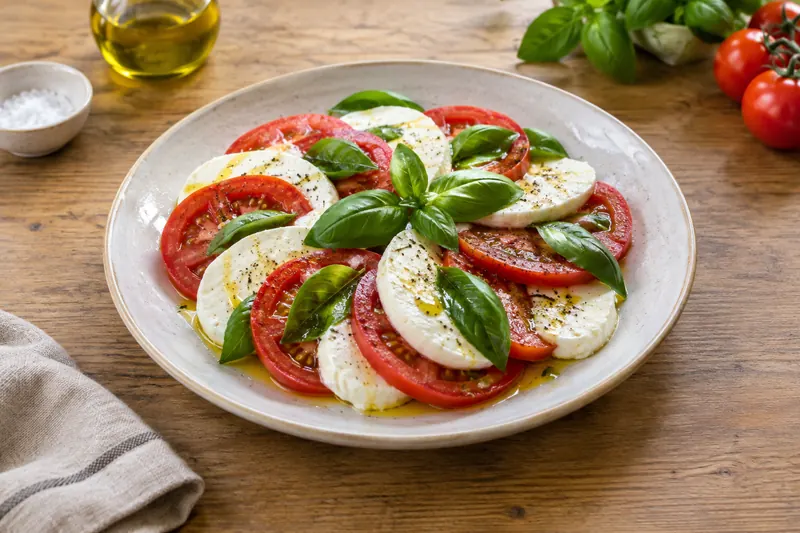 Caprese Salad🇮🇹 Italian recipes · Side dish · 1 h 10 min
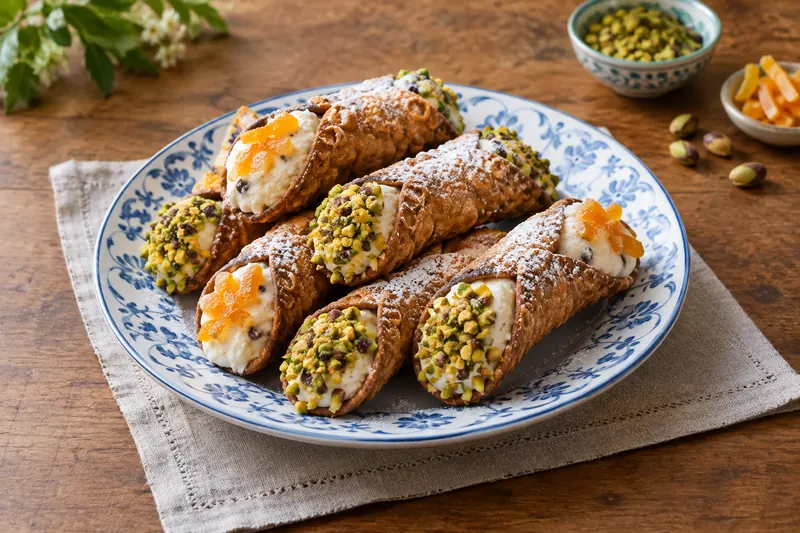 Cannoli🇮🇹 Italian recipes · Dessert · 10 h 20 min
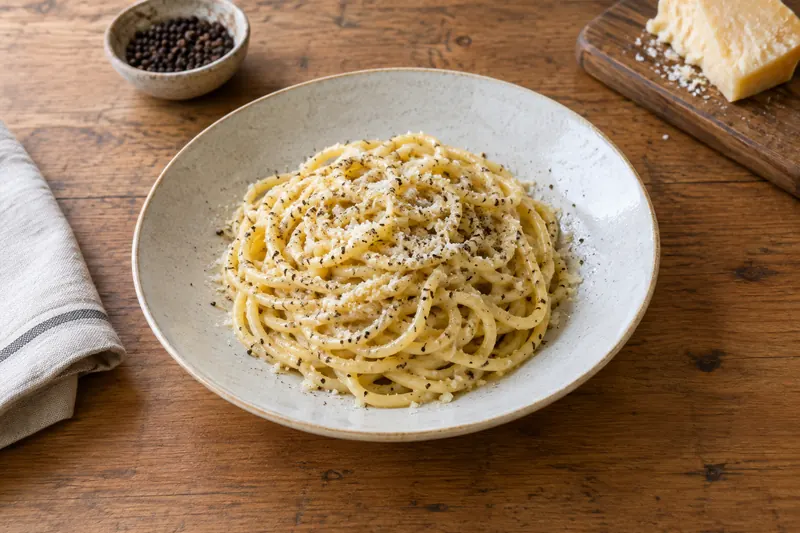 Cacio e Pepe🇮🇹 Italian recipes · Dinner · 20 min
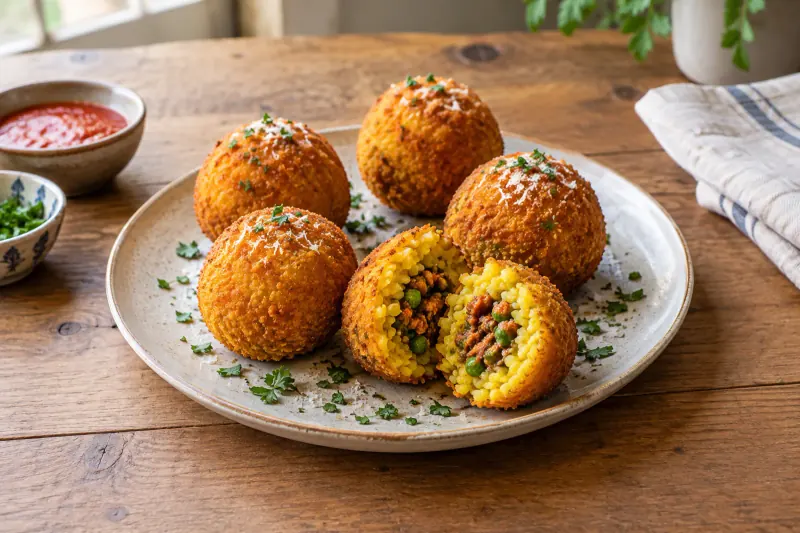 Arancini🇮🇹 Italian recipes · Snack · 9 h 45 min
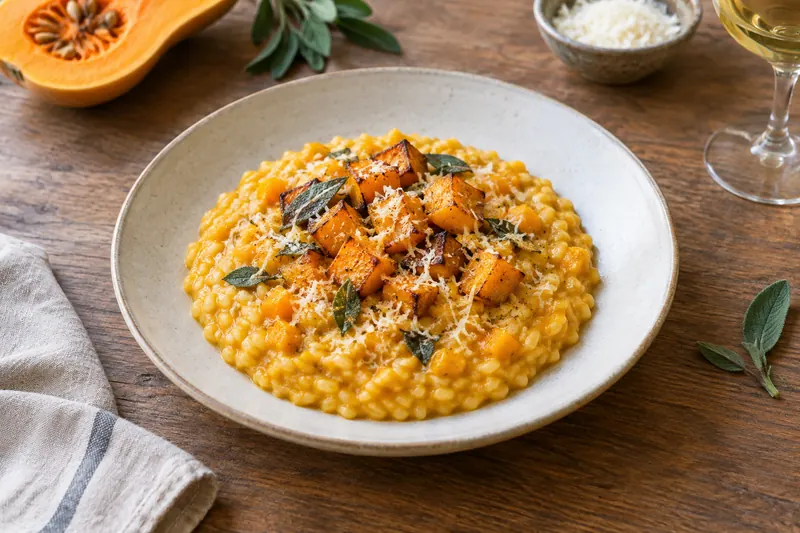 Butternut Squash Risotto🇮🇹 Italian recipes · Dinner · 1 h
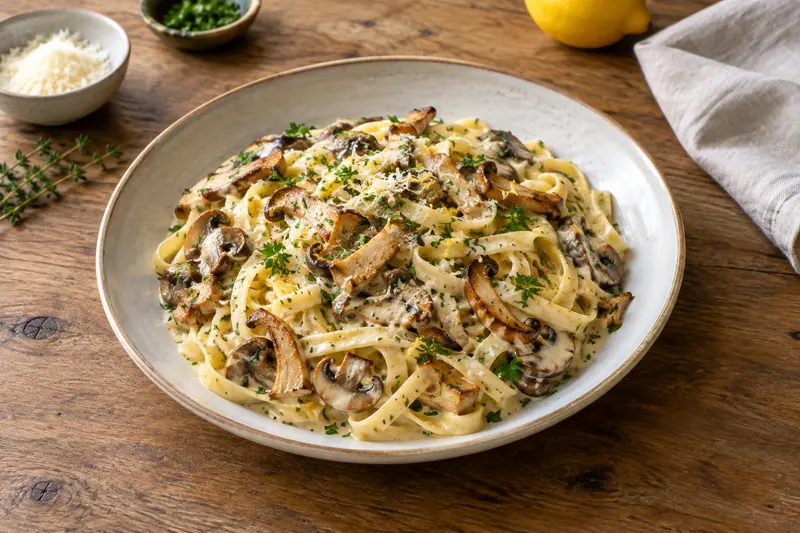 Creamy Mushroom Pasta🇮🇹 Italian recipes · Dinner · 35 min
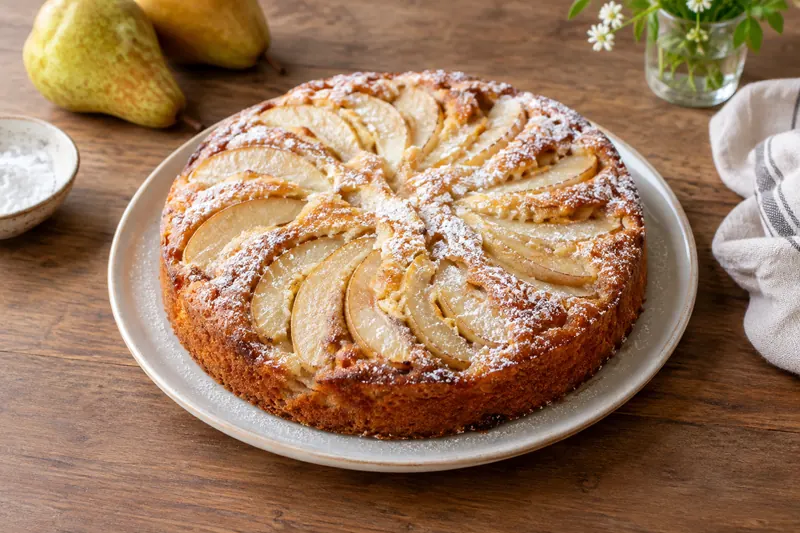 Pear Cake🇮🇹 Italian recipes · Dessert · 2 h 35 min
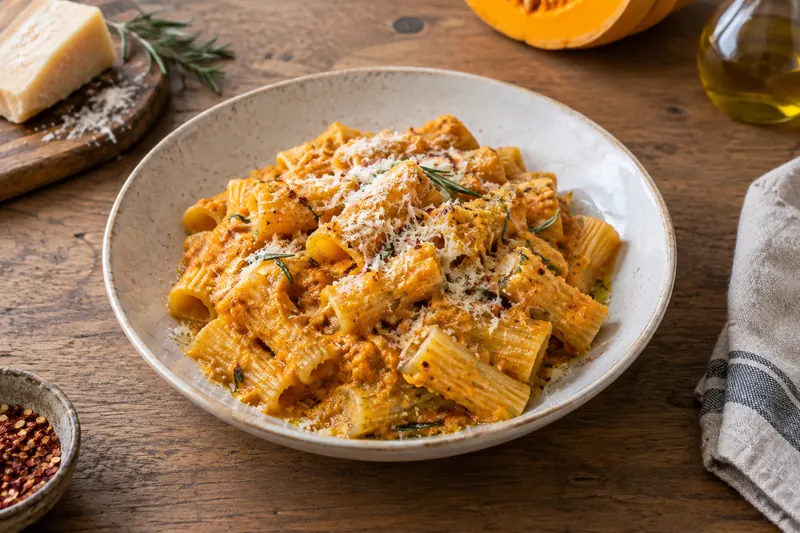 Pumpkin Pasta🇮🇹 Italian recipes · Dinner · 1 h 5 min
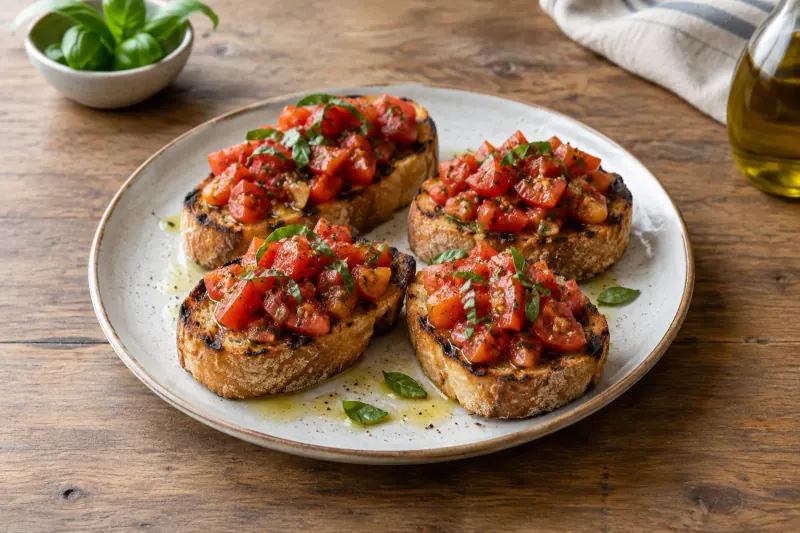 Bruschetta🇮🇹 Italian recipes · Snack · 20 min
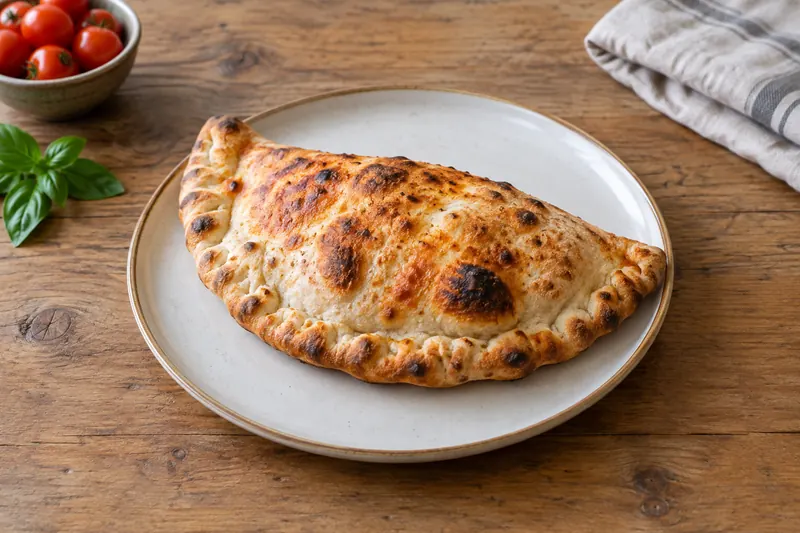 Calzone🇮🇹 Italian recipes · Dinner · 8 h 40 min
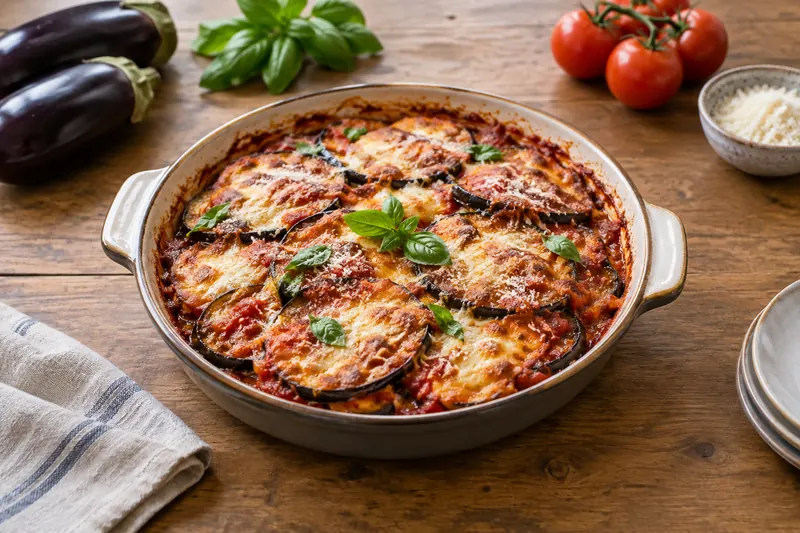 Eggplant Parmigiana🇮🇹 Italian recipes · Dinner · 2 h 15 min
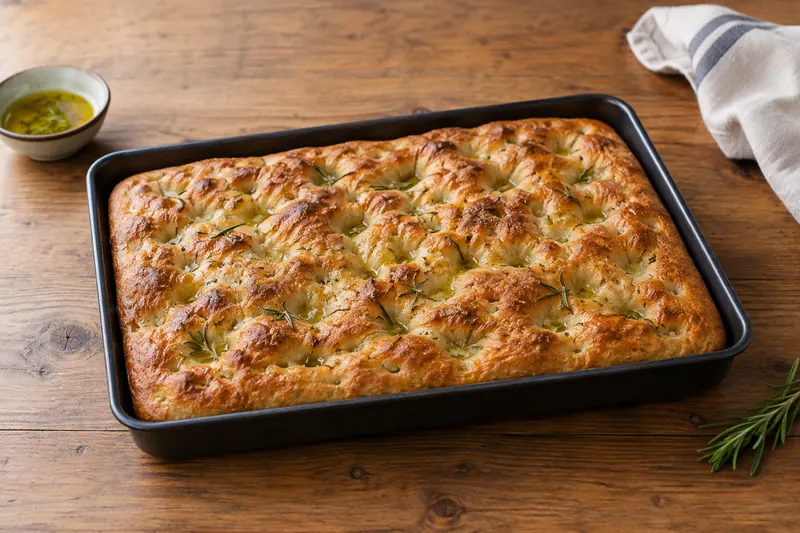 Focaccia🇮🇹 Italian recipes · Side dish · 13 h
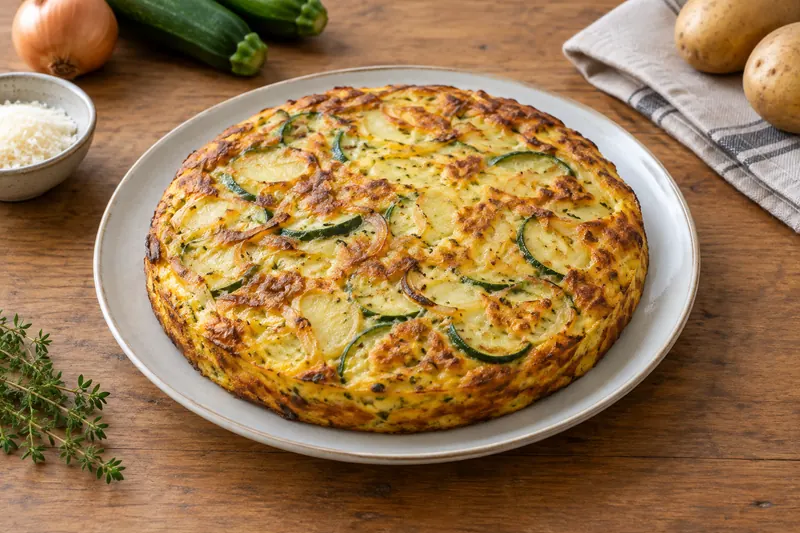 Frittata🇮🇹 Italian recipes · Breakfast · 40 min
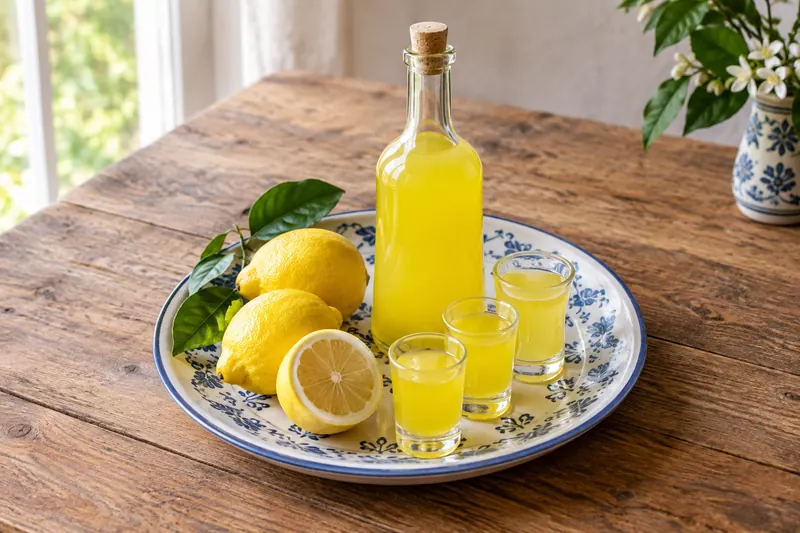 Limoncello🇮🇹 Italian recipes · Drink · 7 days 1 h
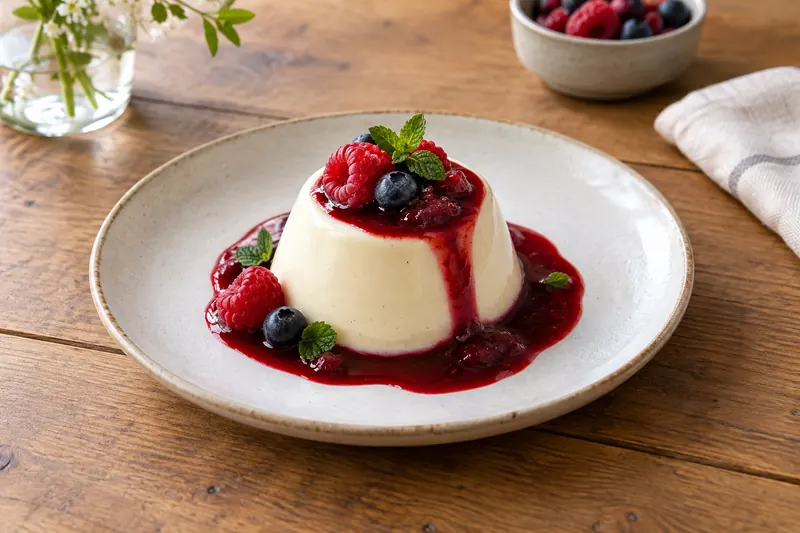 Panna Cotta🇮🇹 Italian recipes · Dessert · 4 h 50 min
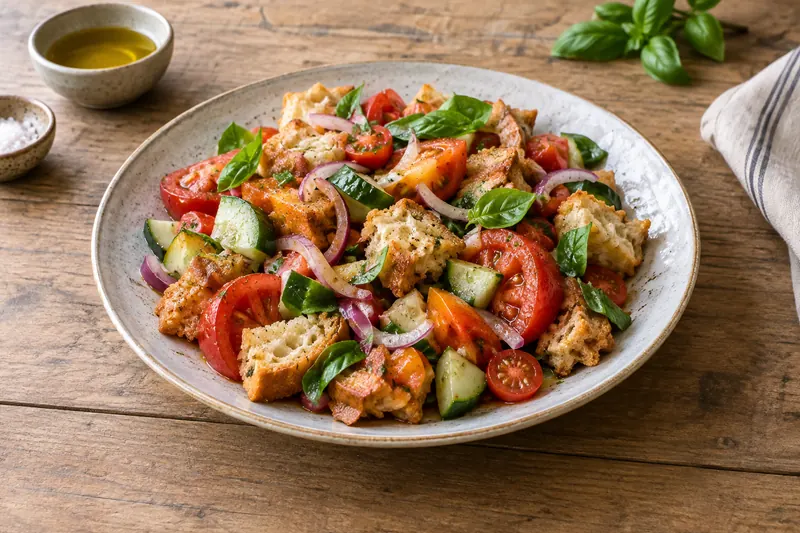 Panzanella🇮🇹 Italian recipes · Lunch · 55 min
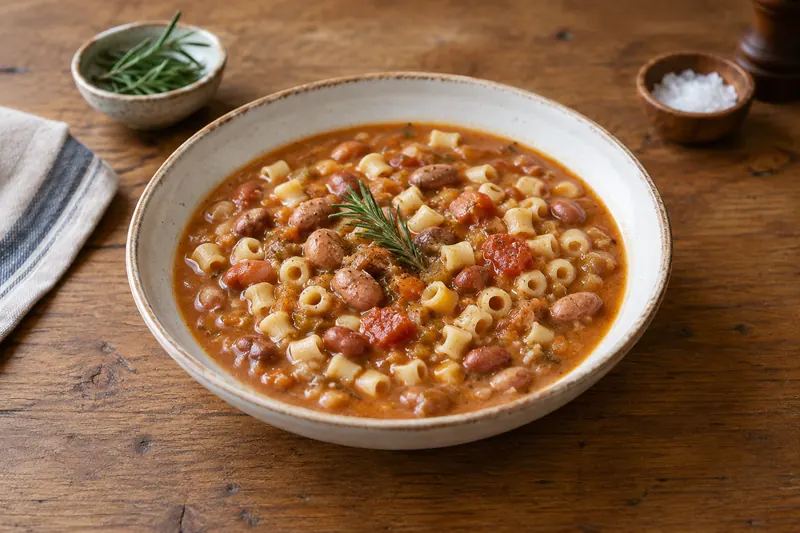 Pasta e Fagioli🇮🇹 Italian recipes · Lunch · 1 h
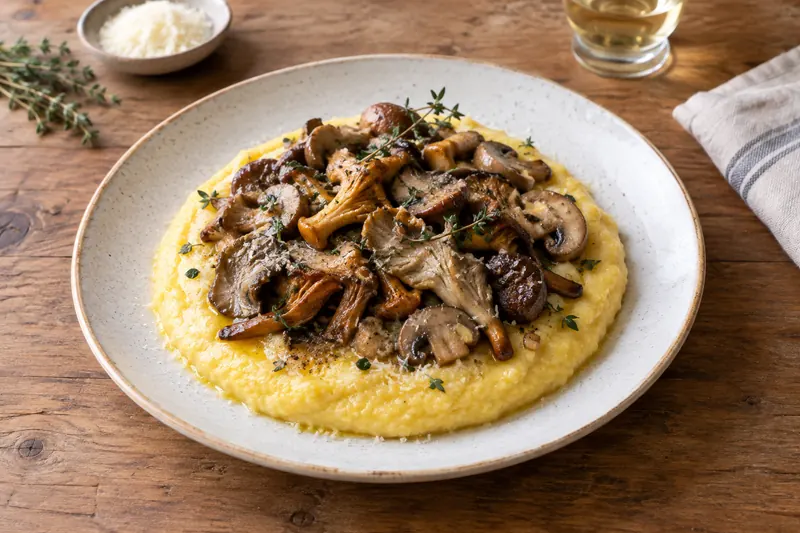 Polenta con Funghi🇮🇹 Italian recipes · Dinner · 1 h
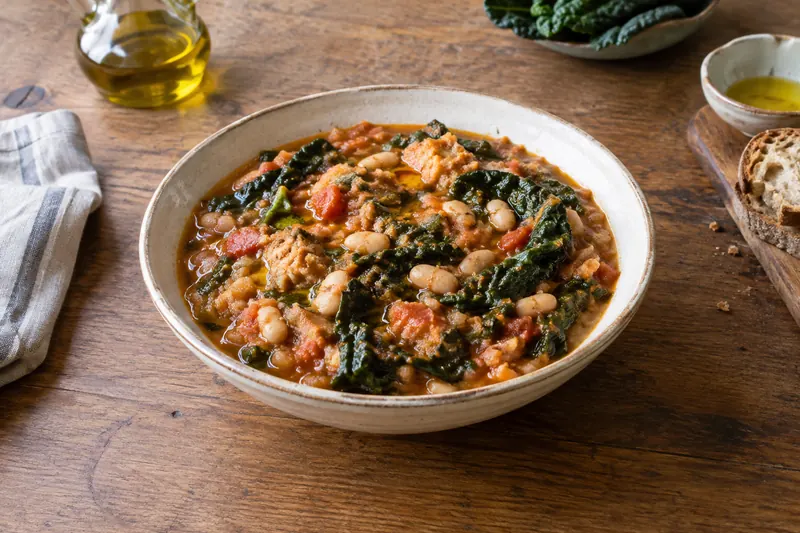 Ribollita🇮🇹 Italian recipes · Lunch · 13 h 55 min
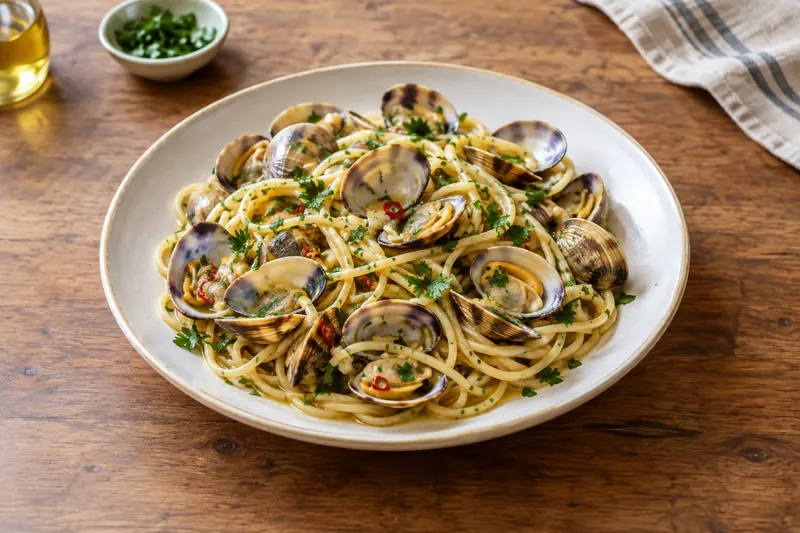 Spaghetti alle Vongole🇮🇹 Italian recipes · Dinner · 1 h 30 min
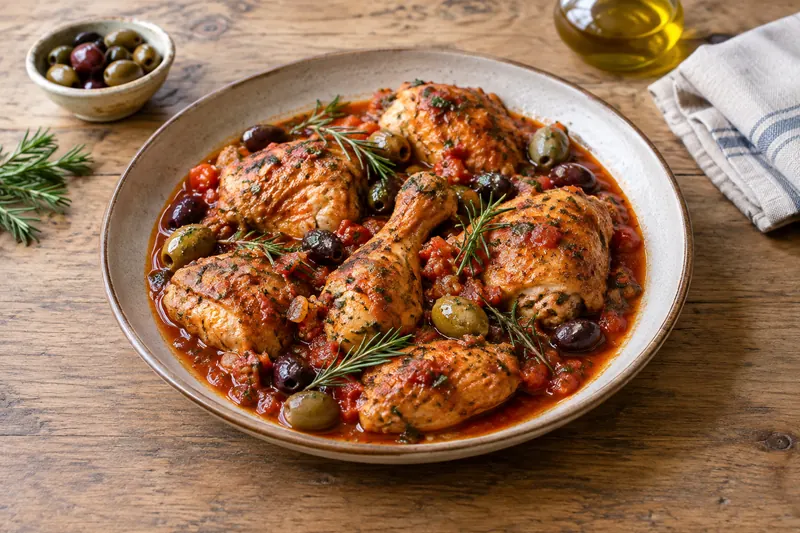 Chicken Cacciatore🇮🇹 Italian recipes · Dinner · 1 h 20 min
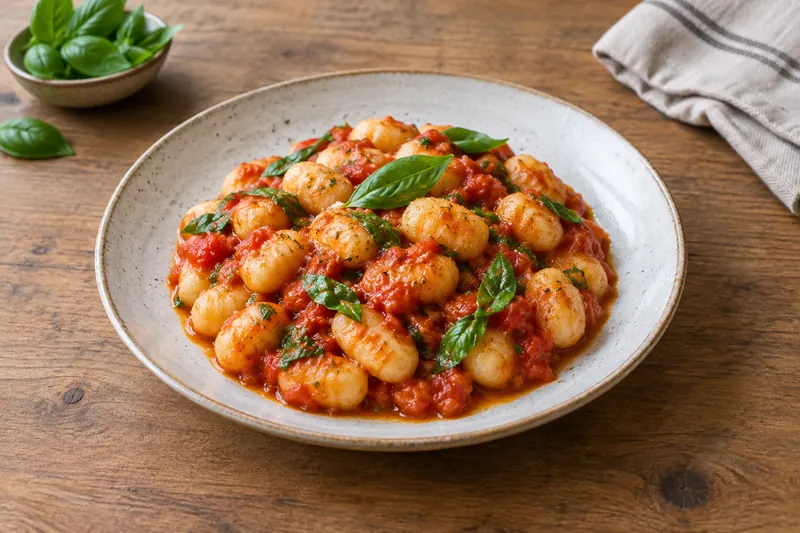 Gnocchi al Pomodoro🇮🇹 Italian recipes · Dinner · 2 h 5 min
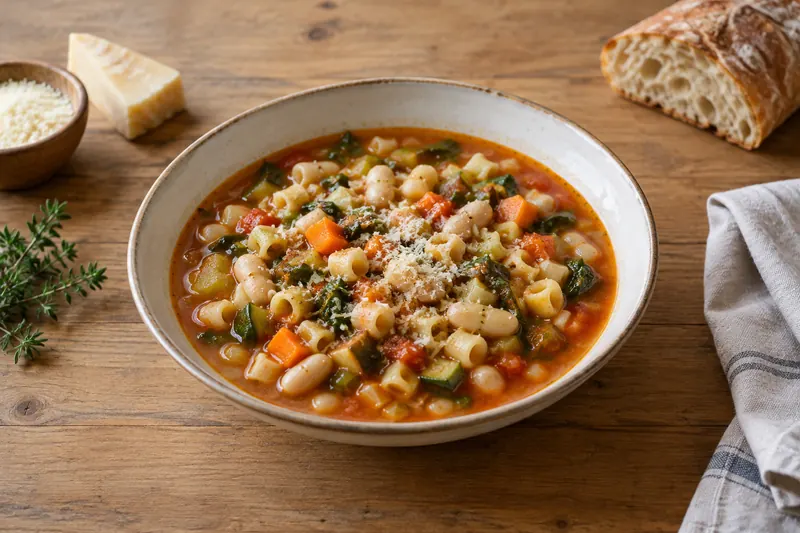 Minestrone🇮🇹 Italian recipes · Lunch · 1 h 25 min
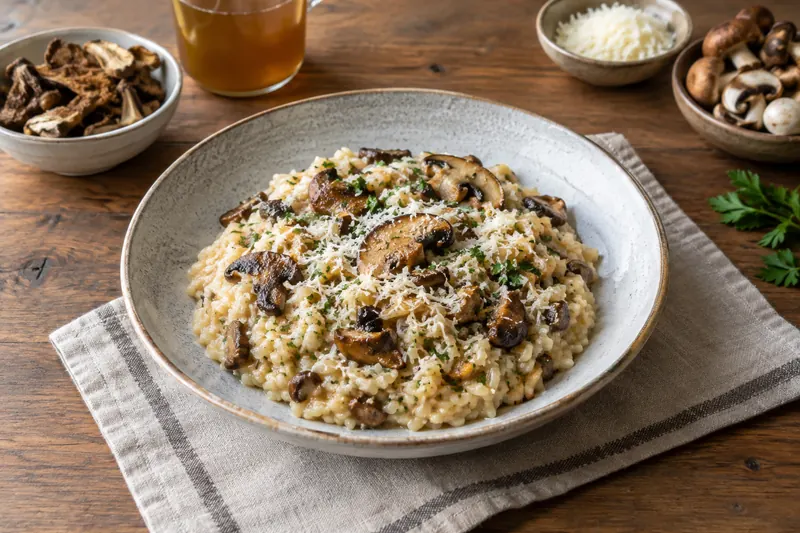 Mushroom Risotto🇮🇹 Italian recipes · Dinner · 55 min
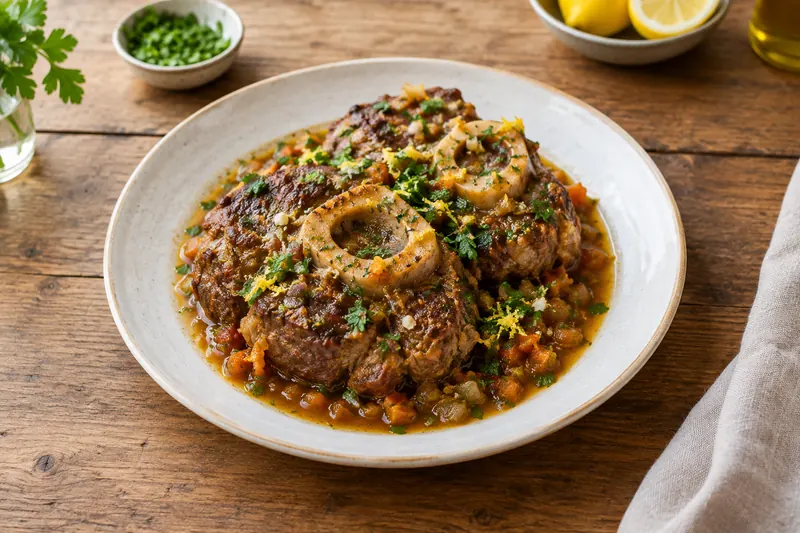 Osso Buco🇮🇹 Italian recipes · Dinner · 2 h 55 min
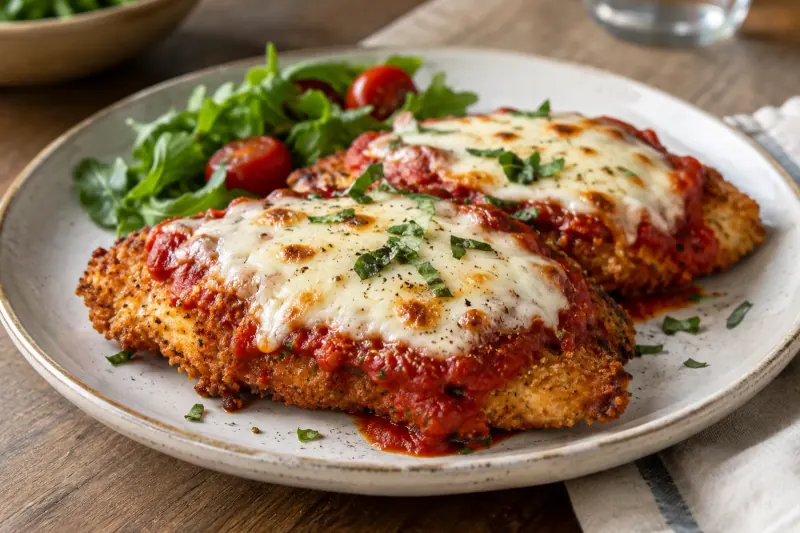 Chicken Parmigiana🇮🇹 Italian recipes · Dinner · 1 h 5 min
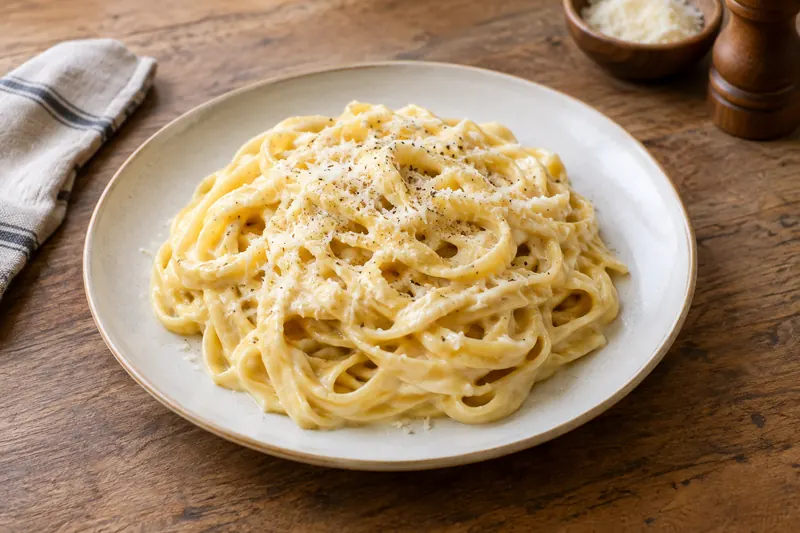 Fettuccine Alfredo🇮🇹 Italian recipes · Dinner · 15 min
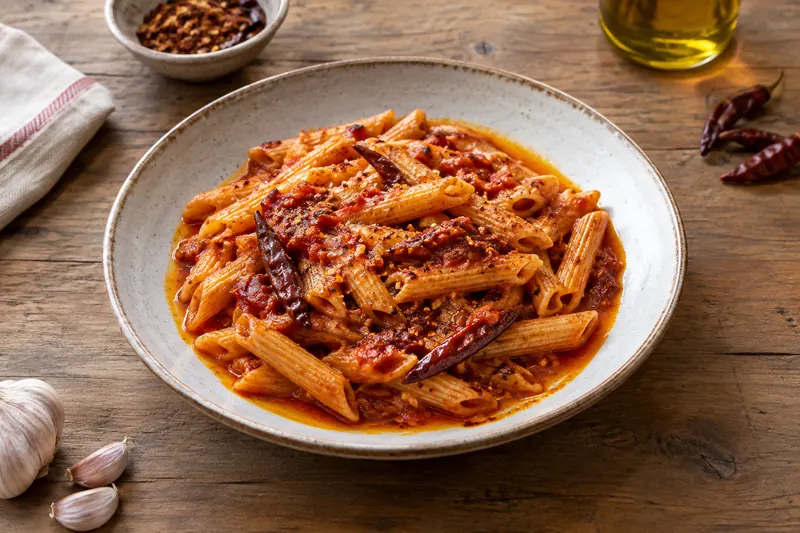 Penne all'Arrabbiata🇮🇹 Italian recipes · Dinner · 35 min
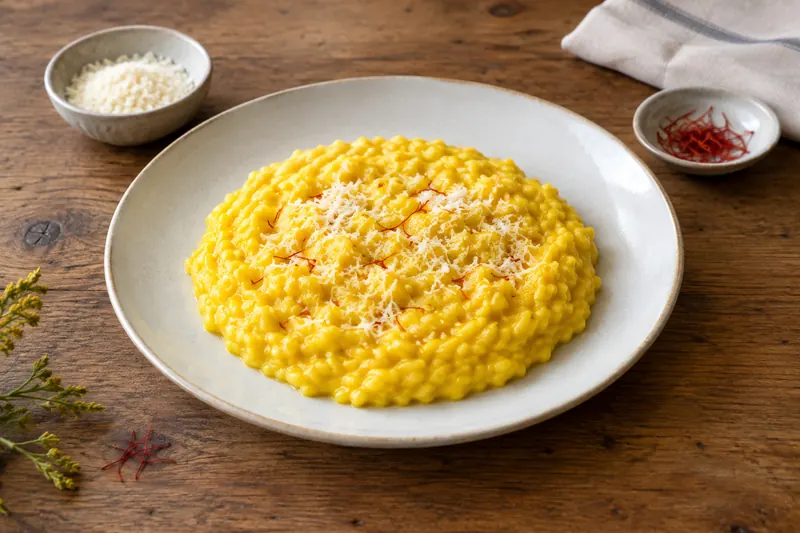 Risotto alla Milanese🇮🇹 Italian recipes · Dinner · 40 min
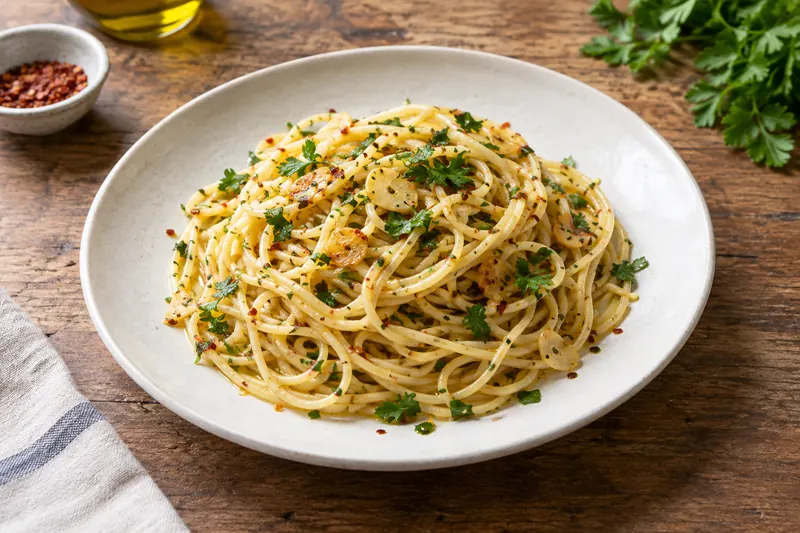 Spaghetti Aglio e Olio🇮🇹 Italian recipes · Dinner · 25 min
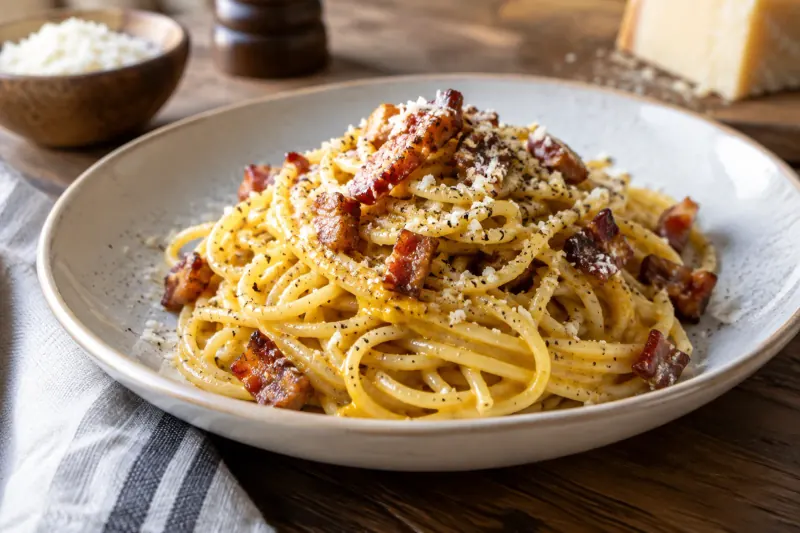 Spaghetti Carbonara🇮🇹 Italian recipes · Dinner · 30 min
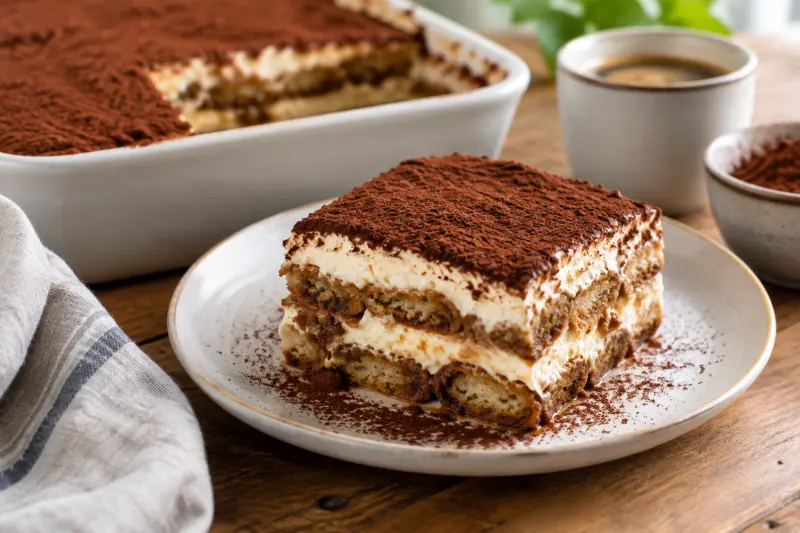 Tiramisù🇮🇹 Italian recipes · Dessert · 4 h 30 min
What makes Italian cooking different
Italy was unified late, and its cooking still reads like a map. Naples gave the world the margherita pizza and the calzone, Rome the cacio e pepe and the original fettuccine Alfredo, Bologna its slow ragù and the lasagne built on it, and Sicily the arancini and cannoli.
Recipes stay close to those roots. Rome’s fettuccine Alfredo is butter, parmigiano and pasta water turned together in a hot bowl, with no cream at all. Chicken cacciatore, the hunter’s braise, takes its depth from white wine, olives, capers and anchovies rather than a rich sauce.
The Italian pantry: what to keep in stock
A short list covers most of this page. Keep good olive oil, tinned tomatoes, dried pasta and flour, plus a piece each of pecorino romano and parmigiano, which keep for weeks well wrapped in the fridge.
Buy the fresh things close to cooking: basil, ripe tomatoes for bruschetta and caprese salad, fresh mozzarella for pizza and eggplant parmigiana, and ricotta for cannoli and calzone. Buffalo mozzarella and ricotta lose their texture within days, so shop for them last.
One detail worth knowing: parmigiano and pecorino are made with animal rennet, so dishes that depend on them, eggplant parmigiana and cacio e pepe included, are not marked vegetarian here. The margherita pizza is tagged vegetarian, though it is worth checking that the fior di latte you buy is made with non-animal rennet.
How to put together an Italian meal
A traditional Italian meal runs in courses, and this page covers each of them. Start with an antipasto such as bruschetta, caprese salad or arancini, move on to a primo of pasta, then a secondo like chicken cacciatore or eggplant parmigiana, with focaccia on the table and cannoli to finish.
Nobody cooks all of that on a weeknight. Cacio e pepe and fettuccine Alfredo take 20 minutes or less, while focaccia, pizza dough, arancini and cannoli need starting the evening before or first thing in the morning, mostly for proving and chilling. Plan those for a weekend and the waiting takes care of itself.
Frequently asked questions
- What is the most famous Italian dish?
- Pizza and pasta are the dishes most associated with Italy, and the margherita pizza from Naples, topped with tomato, mozzarella and basil, is probably the best-known single recipe. For pasta, lasagne alla bolognese and cacio e pepe are close behind. All three are on this page, with exact quantities for the number of people you are feeding.
- Does authentic fettuccine Alfredo have cream?
- No. The Roman original, fettuccine al burro, is fresh egg pasta tossed with soft butter and parmigiano, loosened with a little cooking water until the cheese and butter thicken into a sauce. Cream came later, with the American restaurant version. The fettuccine Alfredo recipe here follows the Roman method, made in a hot bowl, and takes about 15 minutes.
- Is eggplant parmigiana vegetarian?
- Not strictly. Parmigiano Reggiano is made with animal rennet, so a recipe that relies on it is not tagged vegetarian here, and eggplant parmigiana is one of them. If you are cooking for vegetarians, use a hard cheese made with microbial or vegetable rennet instead. The recipe is tagged gluten-free, as nothing in it contains wheat.
- What cheese is used in cacio e pepe?
- Pecorino romano, a hard, salty sheep’s milk cheese. Grated finely and stirred with starchy pasta water and plenty of black pepper, it melts into a sauce that clings to the pasta without any cream or butter. Take the pan off the heat before the cheese goes in, because pecorino clumps if the water is too hot.