
Side dish recipes
A good side dish makes a plain main feel finished, and these side dish recipes cover every way of doing it: something creamy beside grilled meat, something sharp beside something rich, bread to mop up a sauce. There are breads, rice and beans, salads, relishes and a few sauces worth learning by heart.
Serve colcannon or cauliflower cheese with a roast, arroz rojo with anything wrapped in a tortilla, and chimichurri or béarnaise sauce when steak is on the menu. Add a side to the same shopping list as your main and shop for both at once.
60 recipes
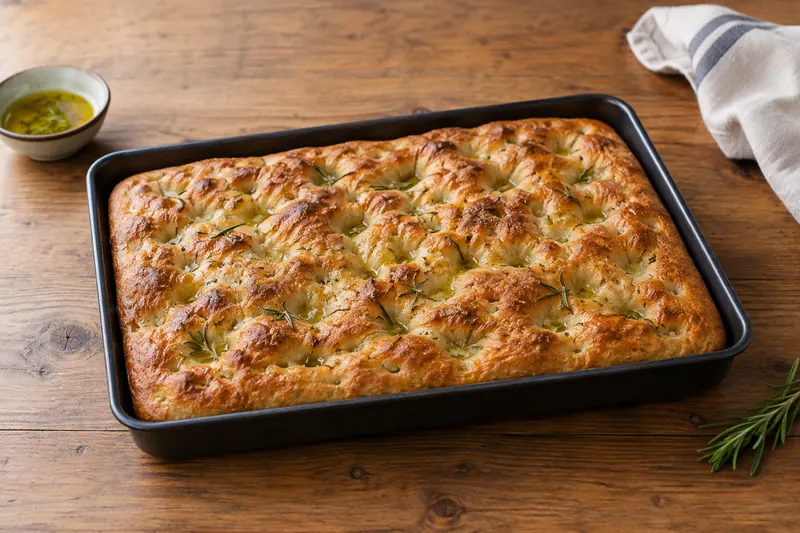 Focaccia🇮🇹 Italian recipes · Side dish · 13 h
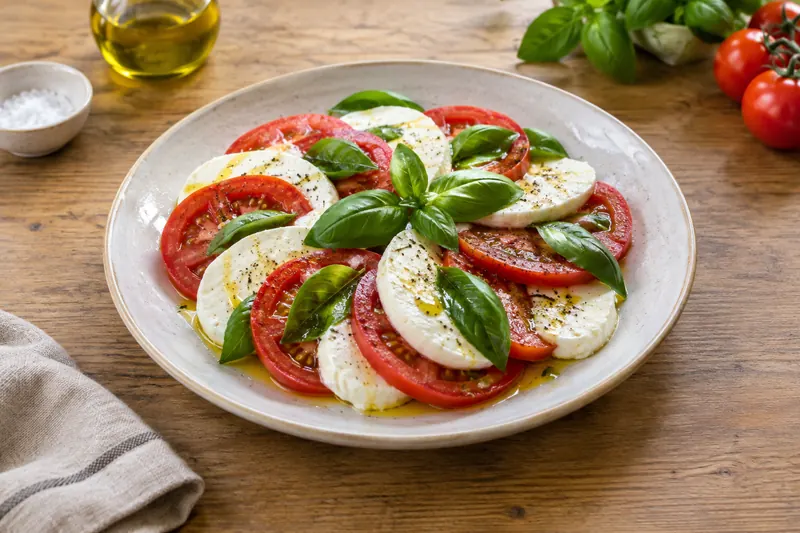 Caprese Salad🇮🇹 Italian recipes · Side dish · 1 h 10 min
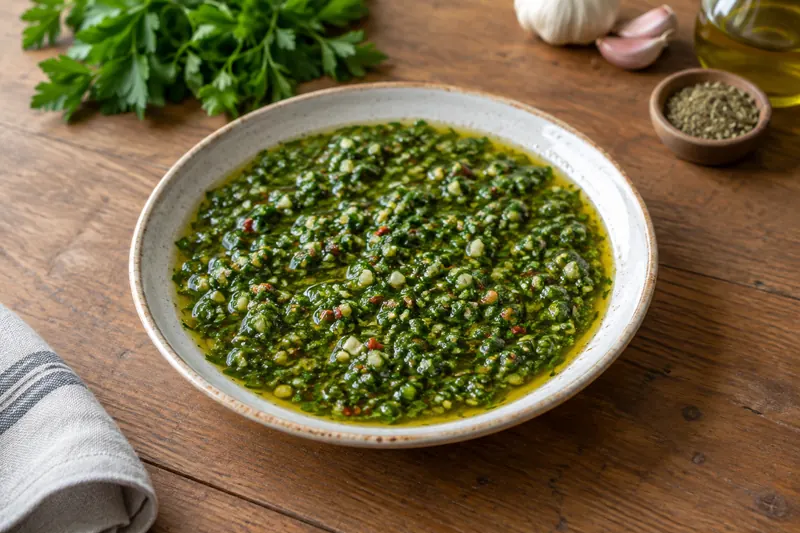 Chimichurri🌎 Latin American recipes · Side dish · 2 h 15 min
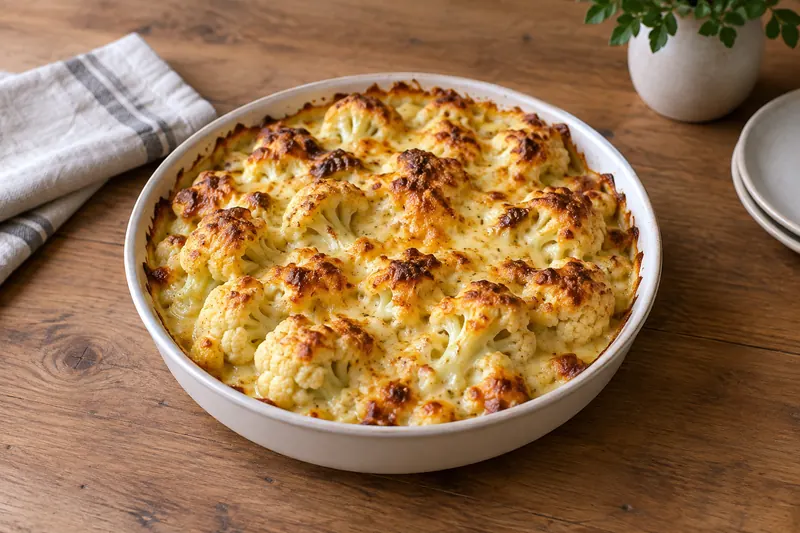 Cauliflower Cheese🇬🇧 British recipes · Side dish · 50 min
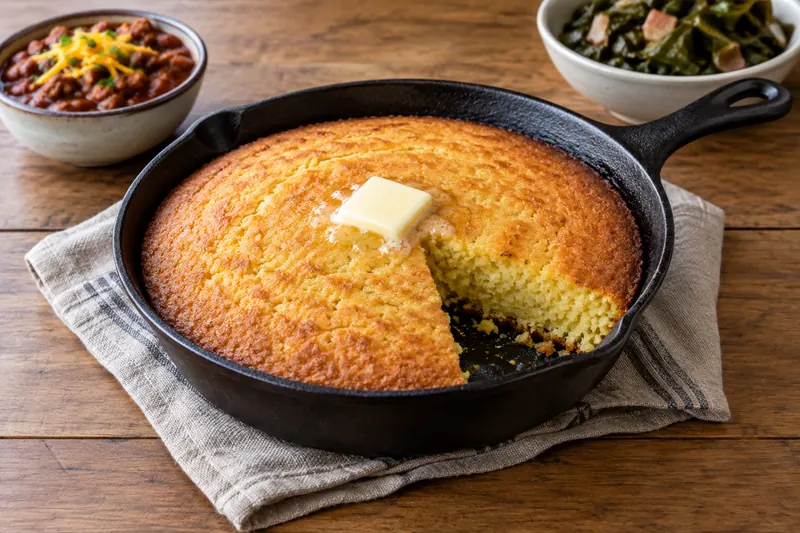 Cornbread🇺🇸 American recipes · Side dish · 35 min
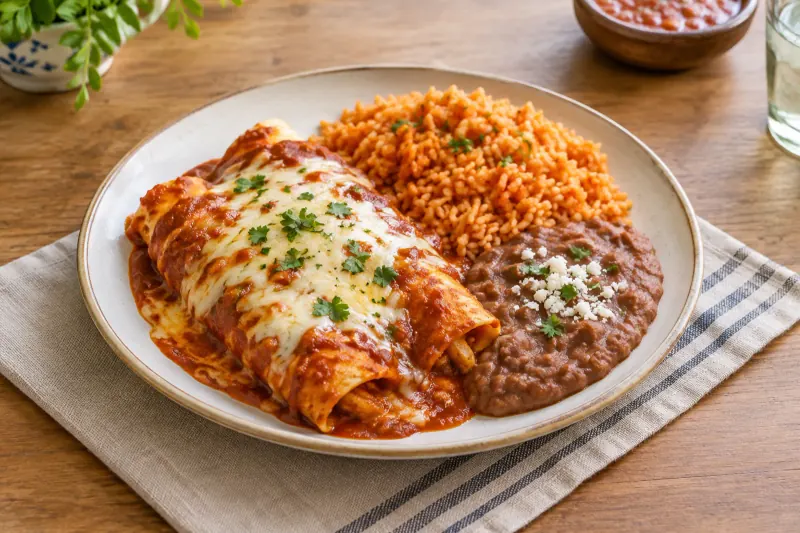 Arroz Rojo🇲🇽 Mexican recipes · Side dish · 50 min
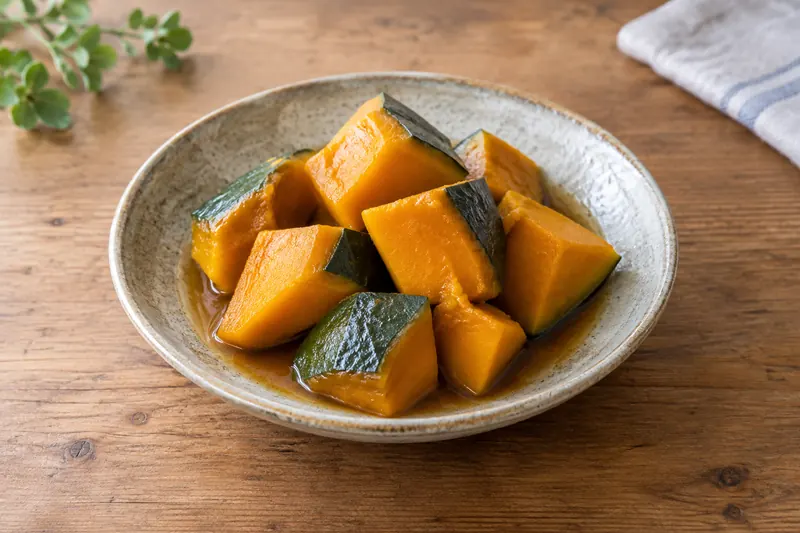 Kabocha no Nimono🇯🇵 Japanese recipes · Side dish · 1 h 10 min
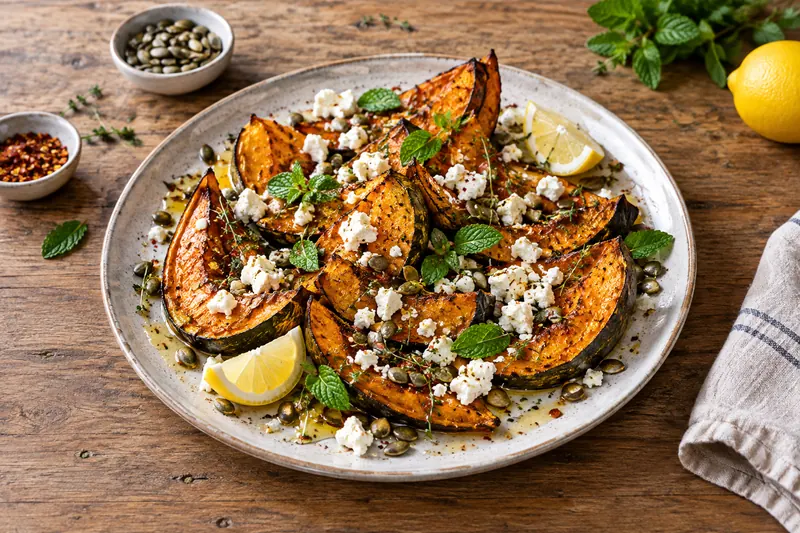 Roasted Pumpkin with Feta🌍 Mediterranean recipes · Side dish · 50 min
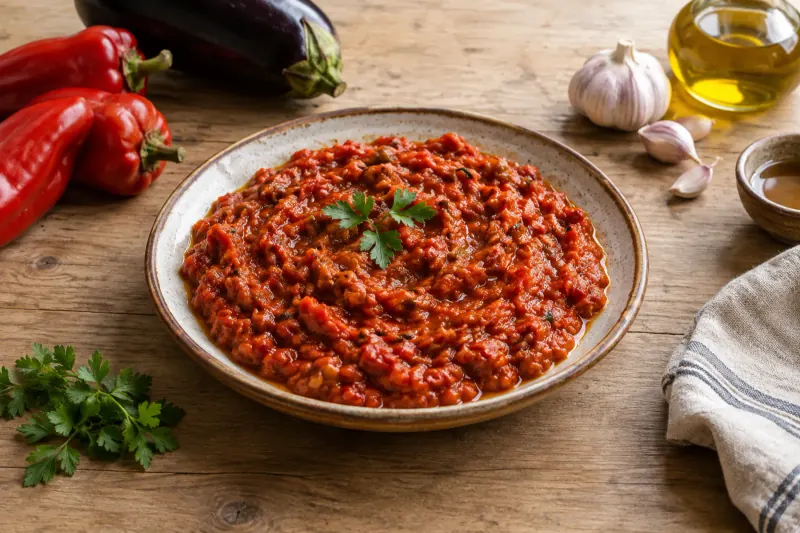 Ajvar🌍 Eastern European recipes · Side dish · 2 h 45 min
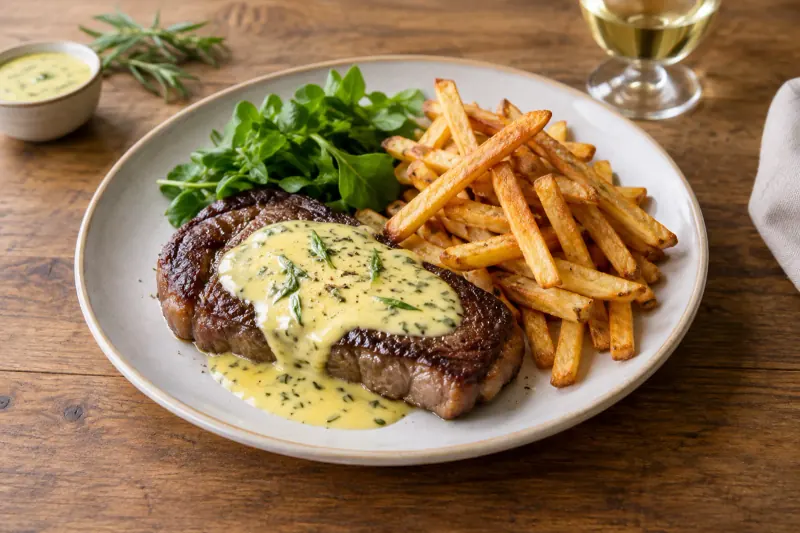 Béarnaise Sauce🇫🇷 French recipes · Side dish · 25 min
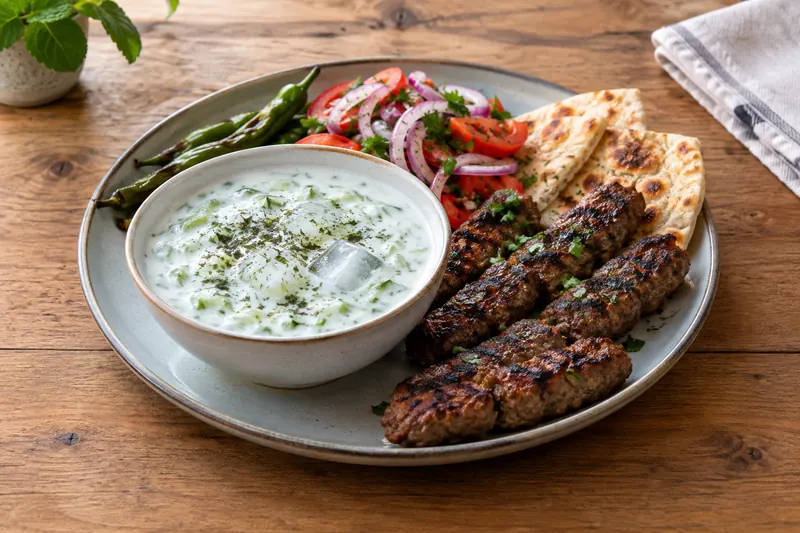 Cacık🇹🇷 Turkish recipes · Side dish · 40 min
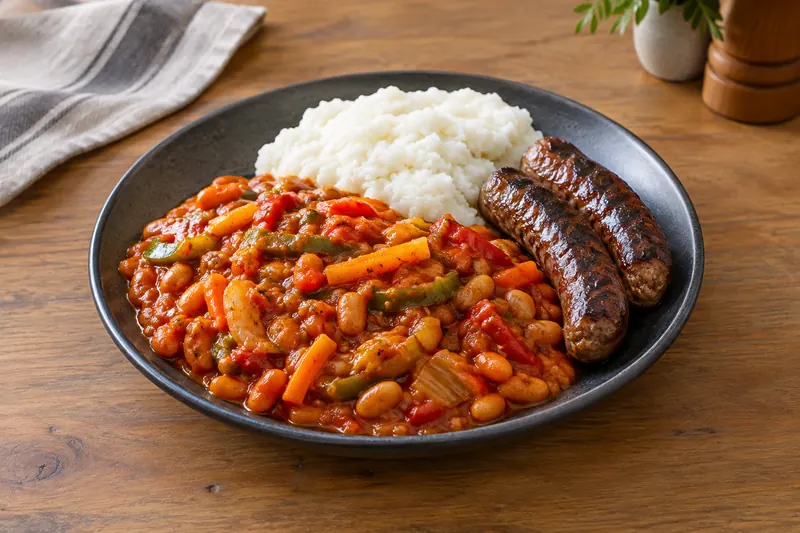 Chakalaka🌍 African recipes · Side dish · 45 min
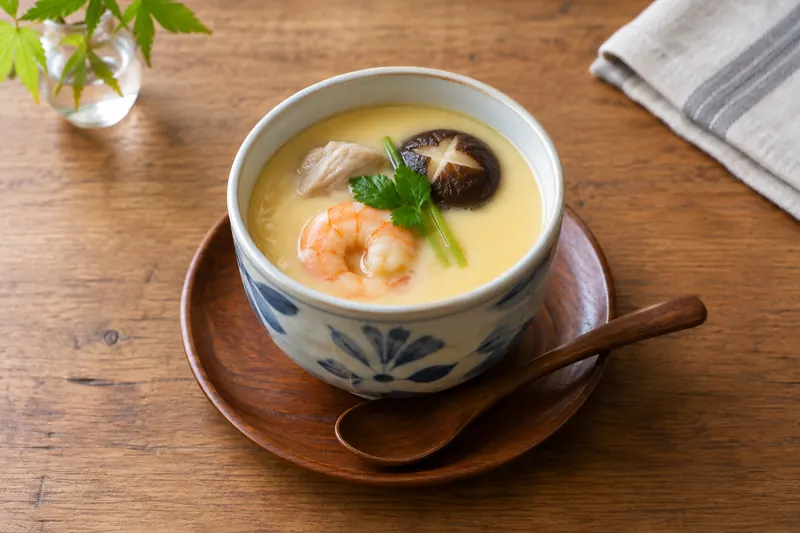 Chawanmushi🇯🇵 Japanese recipes · Side dish · 35 min
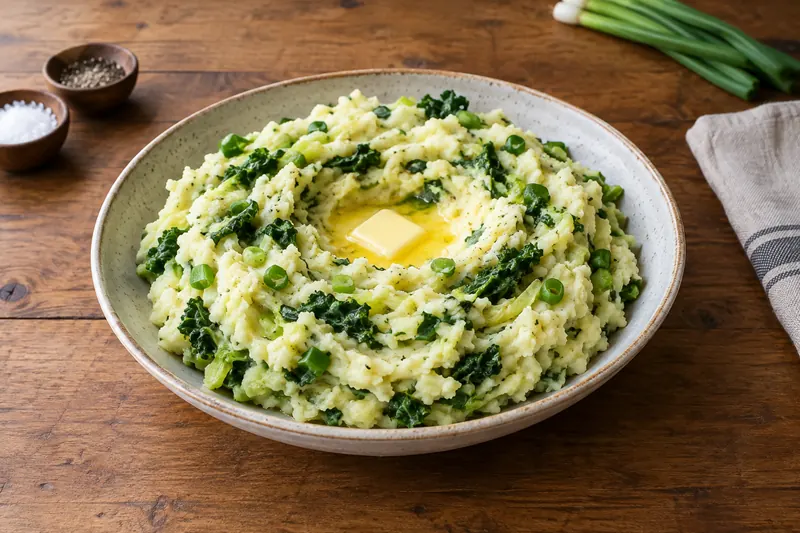 Colcannon🇬🇧 British recipes · Side dish · 40 min
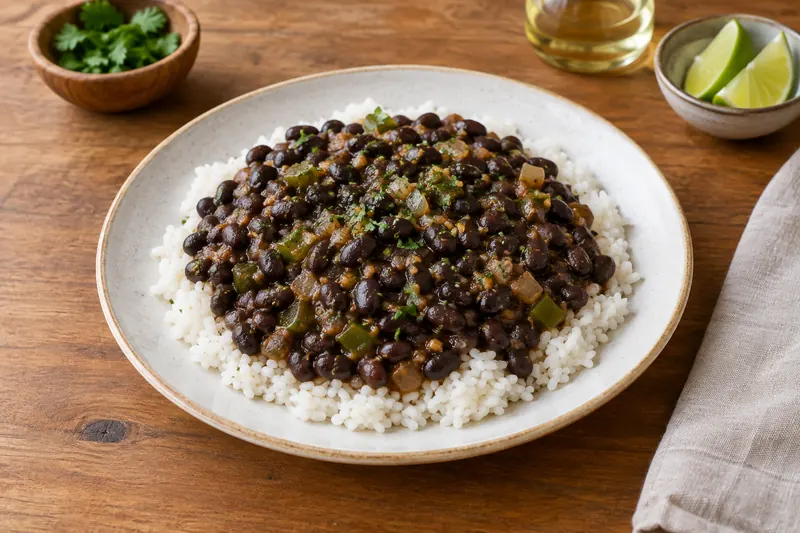 Cuban Black Beans🌎 Caribbean recipes · Side dish · 9 h 50 min
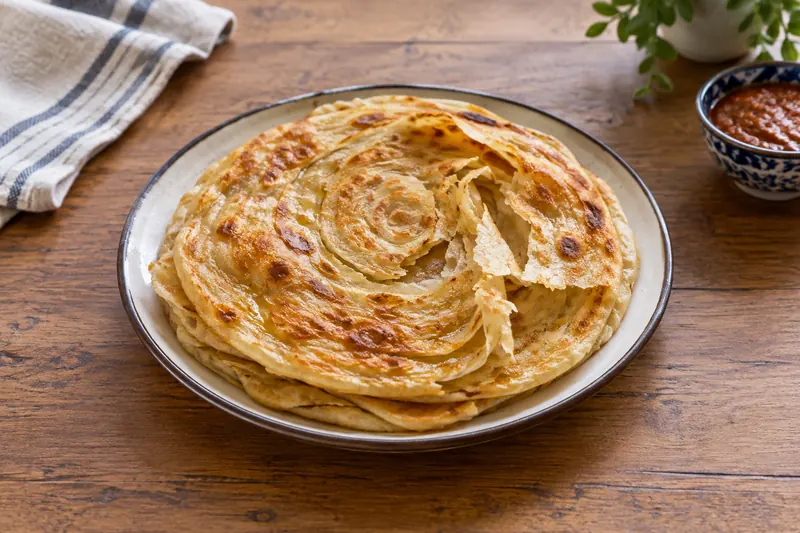 East African Chapati🌍 African recipes · Side dish · 1 h 50 min
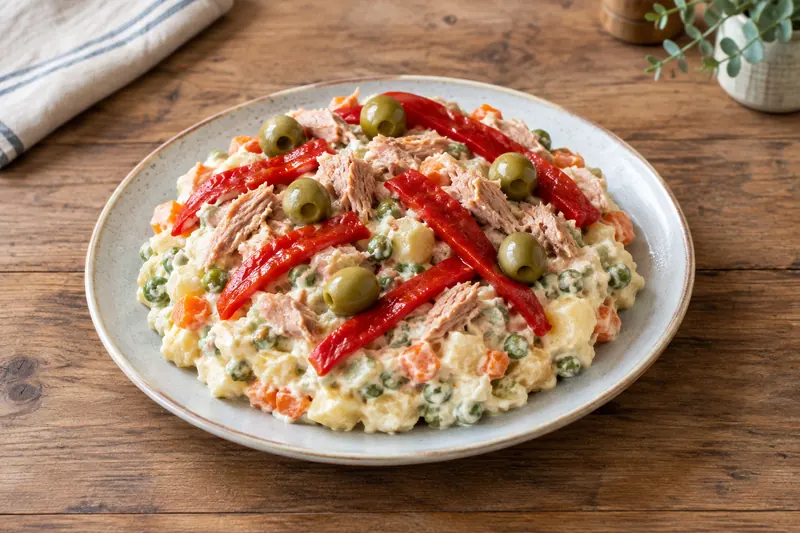 Ensaladilla Rusa🇪🇸 Spanish recipes · Side dish · 2 h 20 min
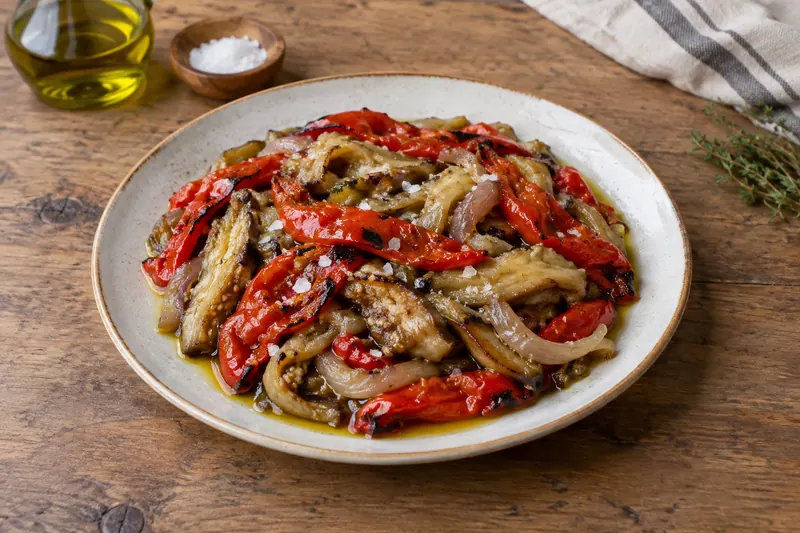 Escalivada🇪🇸 Spanish recipes · Side dish · 1 h 40 min
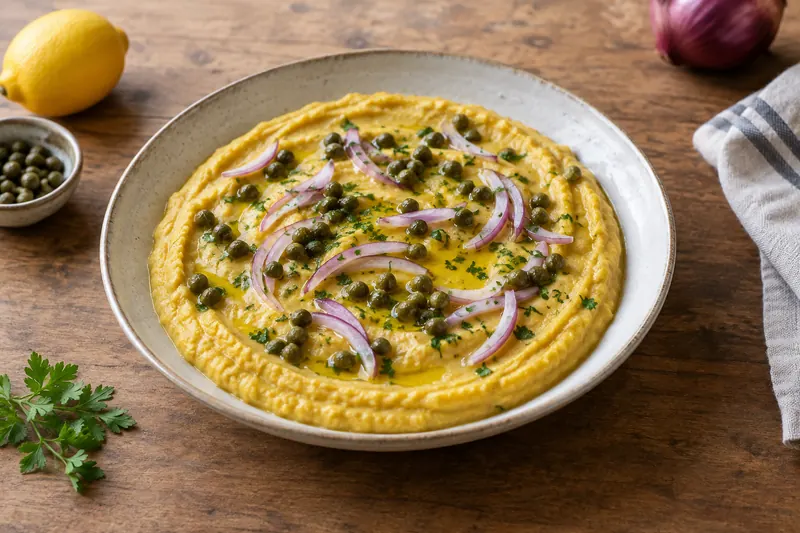 Fava🇬🇷 Greek recipes · Side dish · 1 h
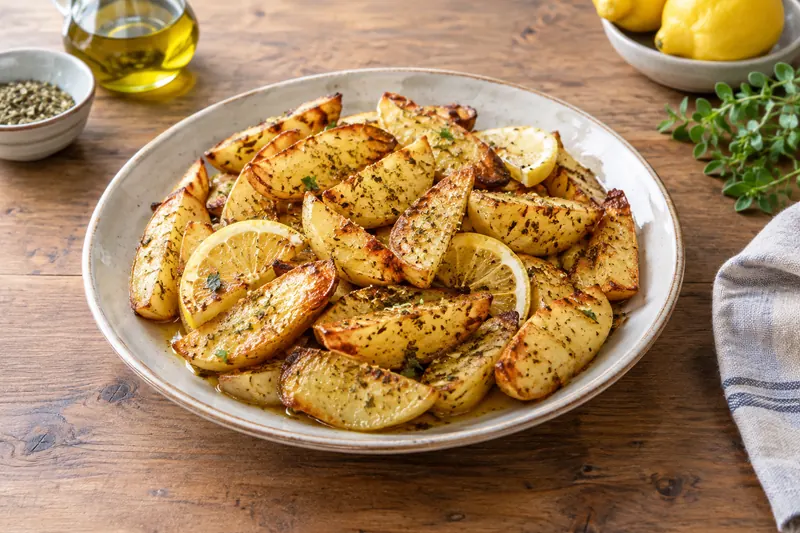 Greek Lemon Potatoes🇬🇷 Greek recipes · Side dish · 1 h 30 min
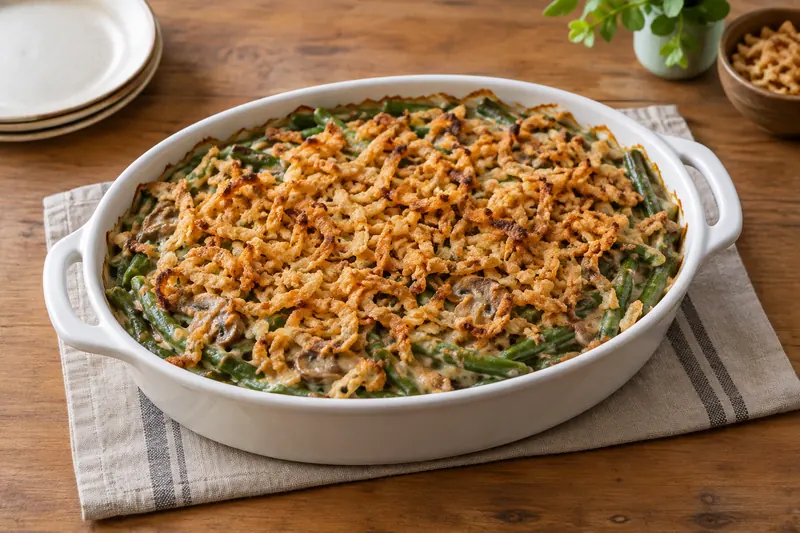 Green Bean Casserole🇺🇸 American recipes · Side dish · 55 min
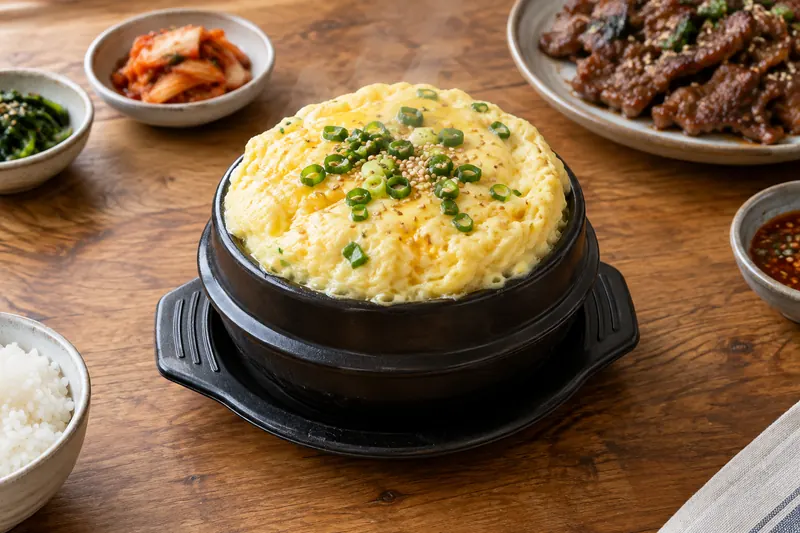 Gyeran Jjim🇰🇷 Korean recipes · Side dish · 15 min
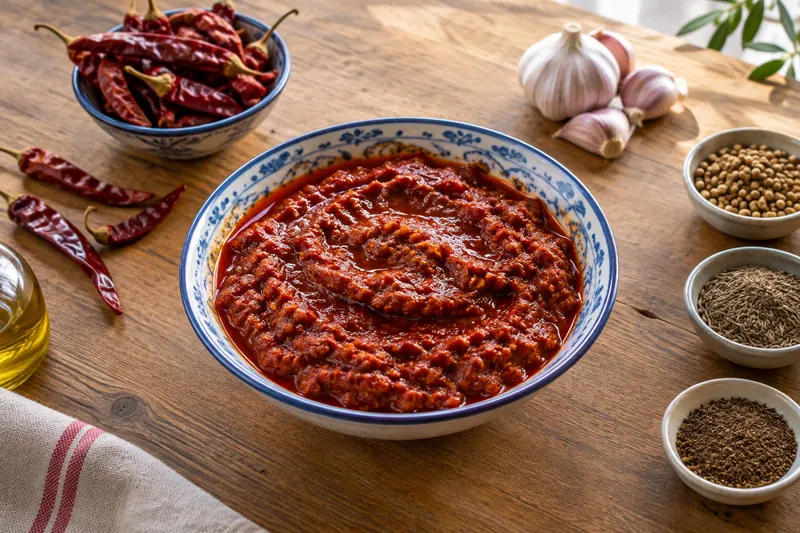 Harissa🌍 North African recipes · Side dish · 55 min
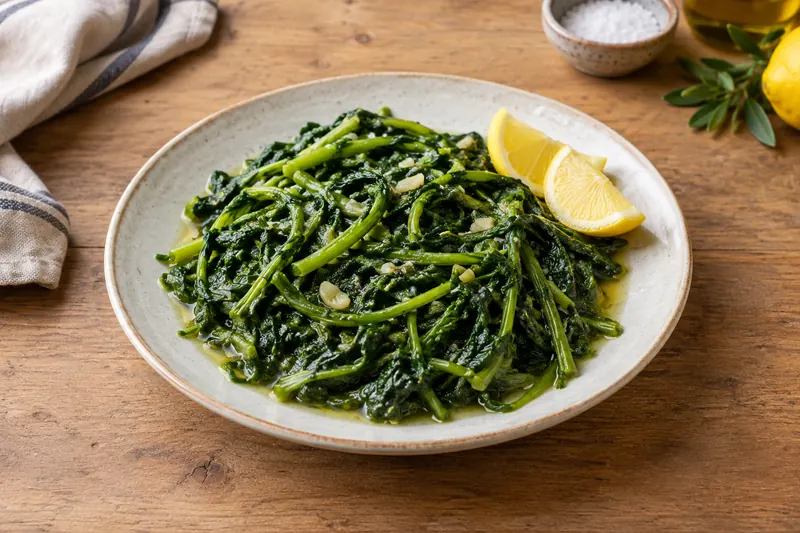 Horta🇬🇷 Greek recipes · Side dish · 20 min
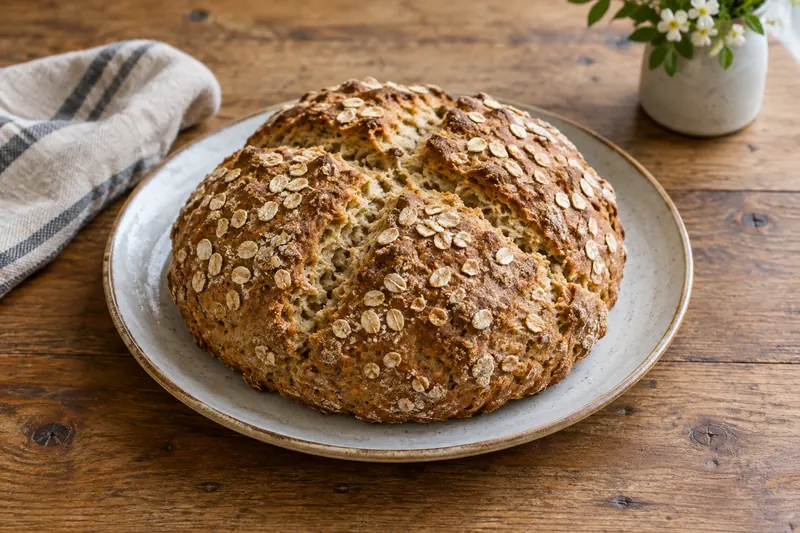 Irish Soda Bread🇬🇧 British recipes · Side dish · 1 h 5 min
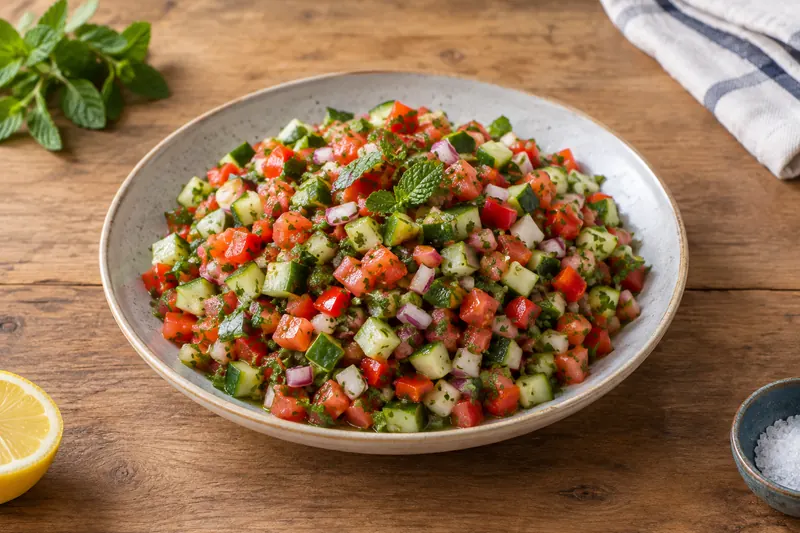 Israeli Salad🌍 Middle Eastern recipes · Side dish · 15 min
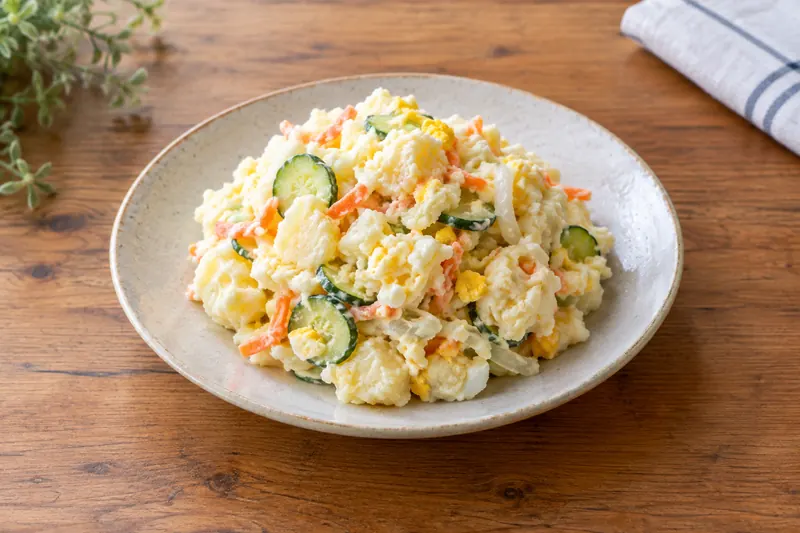 Japanese Potato Salad🇯🇵 Japanese recipes · Side dish · 1 h 40 min
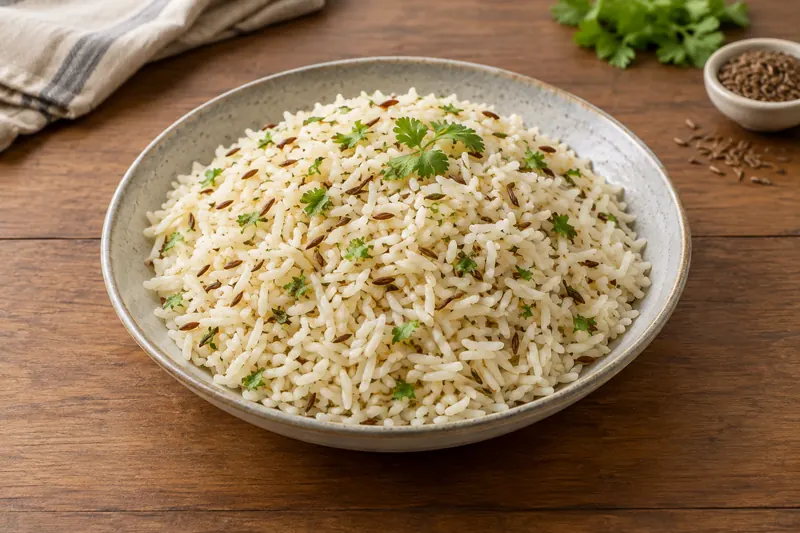 Jeera Rice🇮🇳 Indian recipes · Side dish · 55 min
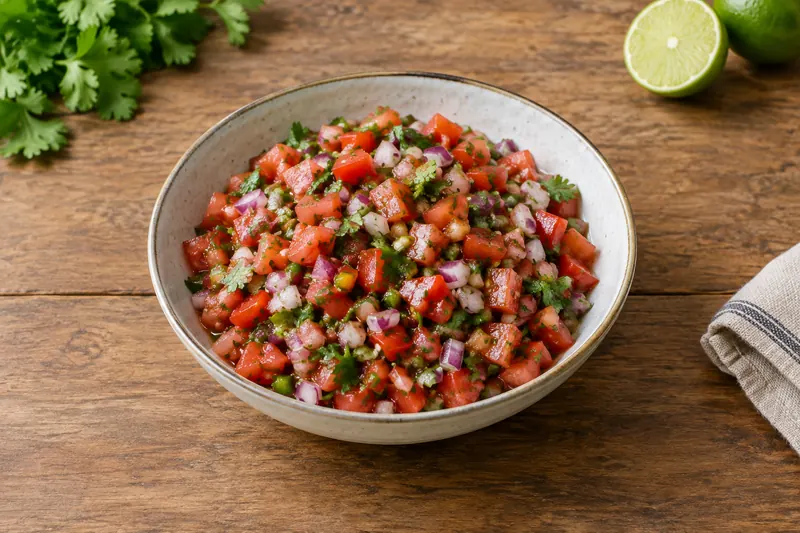 Kachumbari🌍 African recipes · Side dish · 15 min
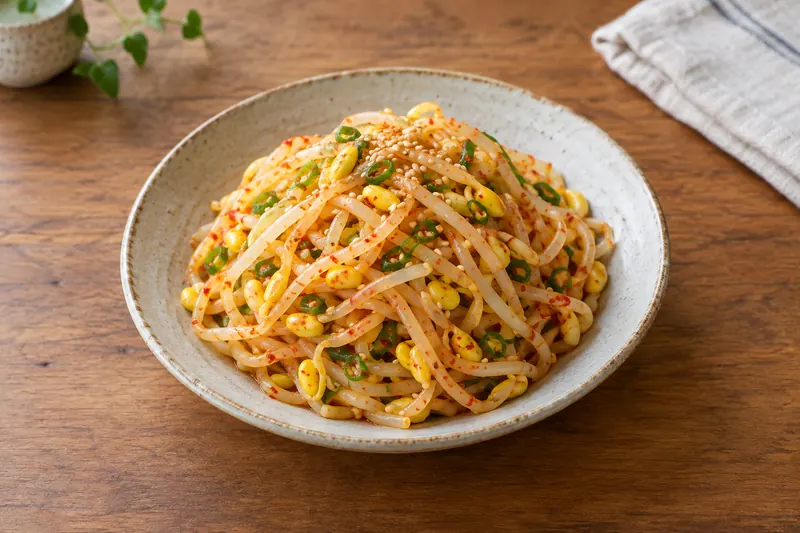 Kongnamul Muchim🇰🇷 Korean recipes · Side dish · 24 min
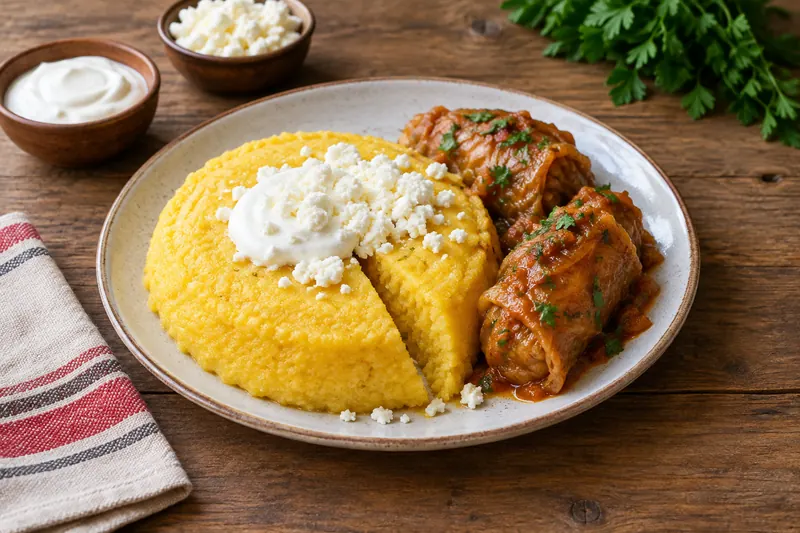 Mămăligă🌍 Eastern European recipes · Side dish · 40 min
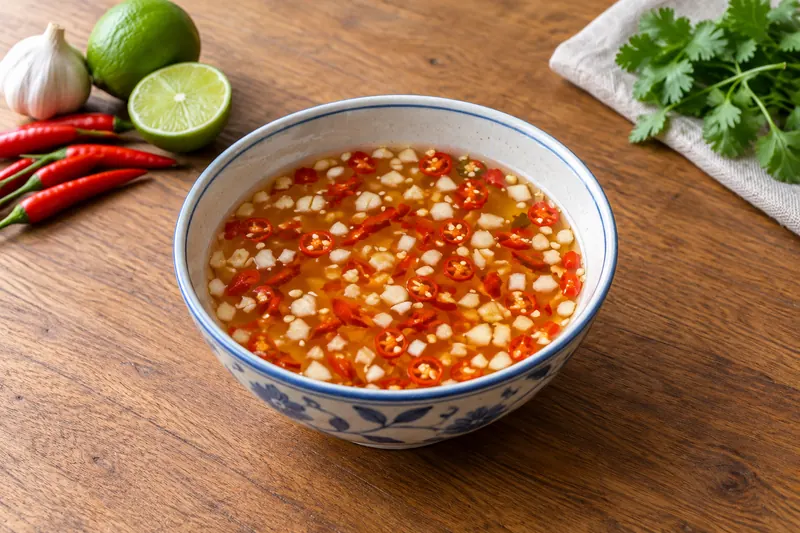 Nước Chấm🇻🇳 Vietnamese recipes · Side dish · 10 min
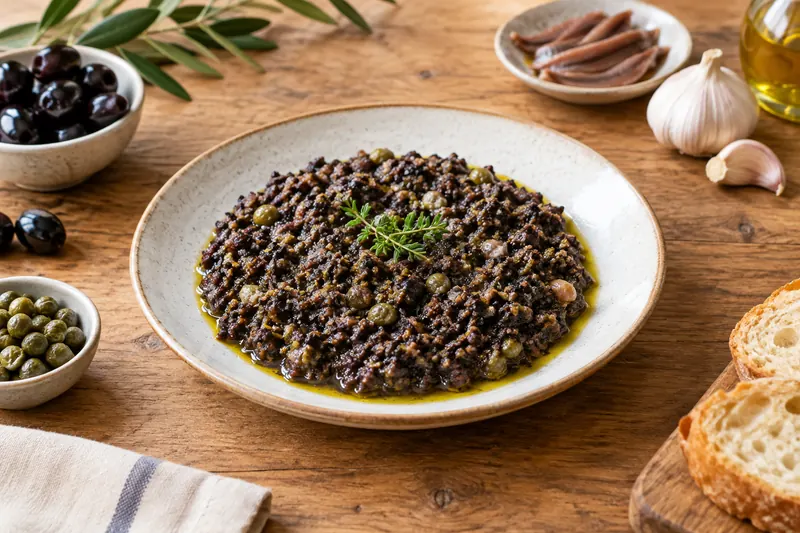 Olive Tapenade🇫🇷 French recipes · Side dish · 10 min
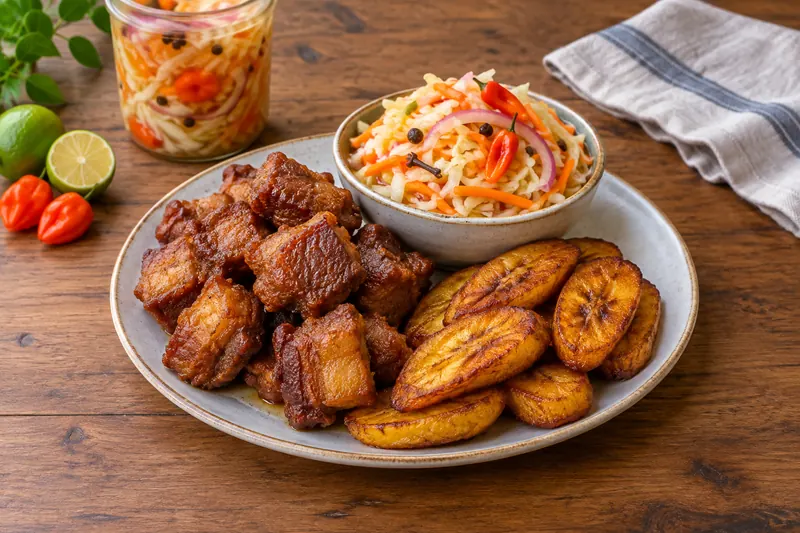 Pikliz🌎 Caribbean recipes · Side dish · 2 days
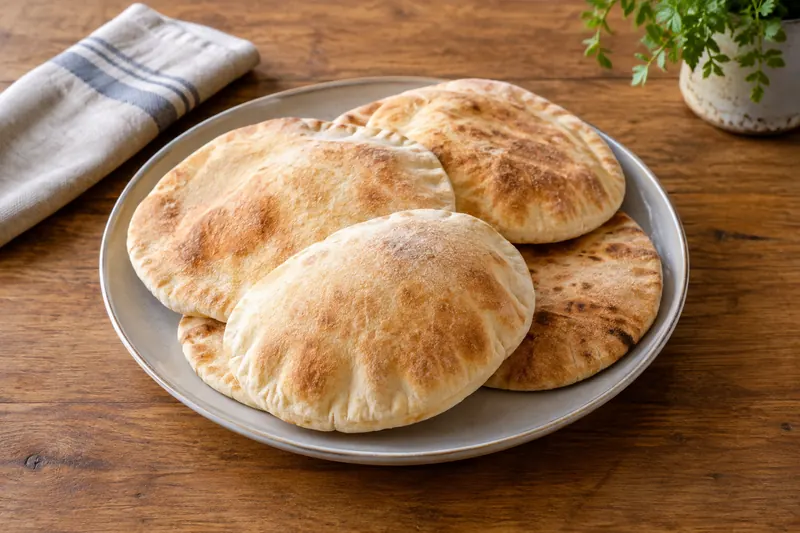 Pita Bread🌍 Mediterranean recipes · Side dish · 1 h 45 min
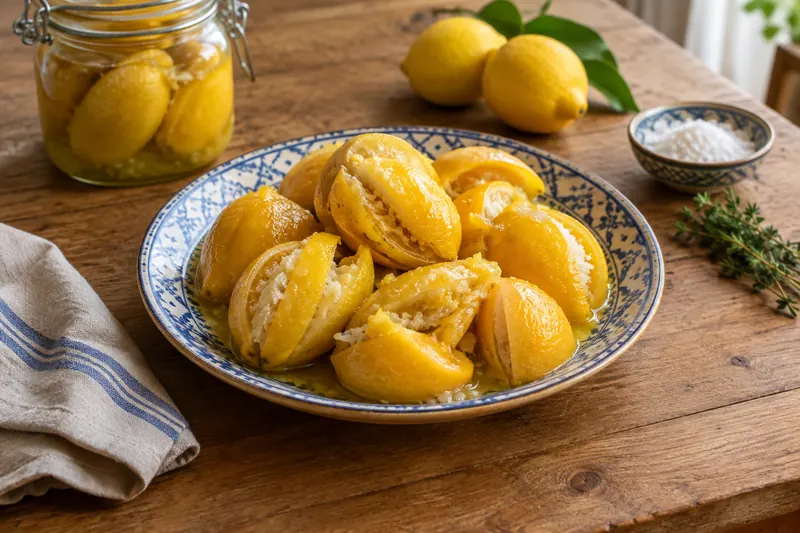 Preserved Lemons🌍 North African recipes · Side dish · 21 days 1 h
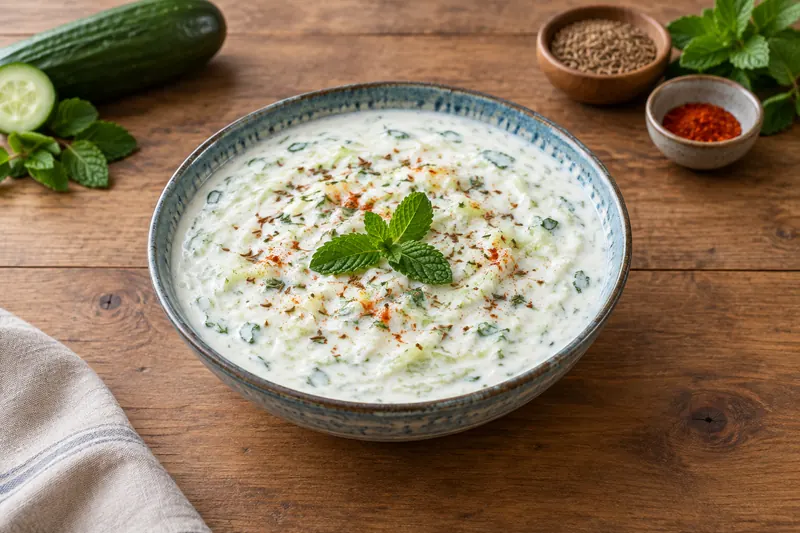 Raita🇮🇳 Indian recipes · Side dish · 12 min
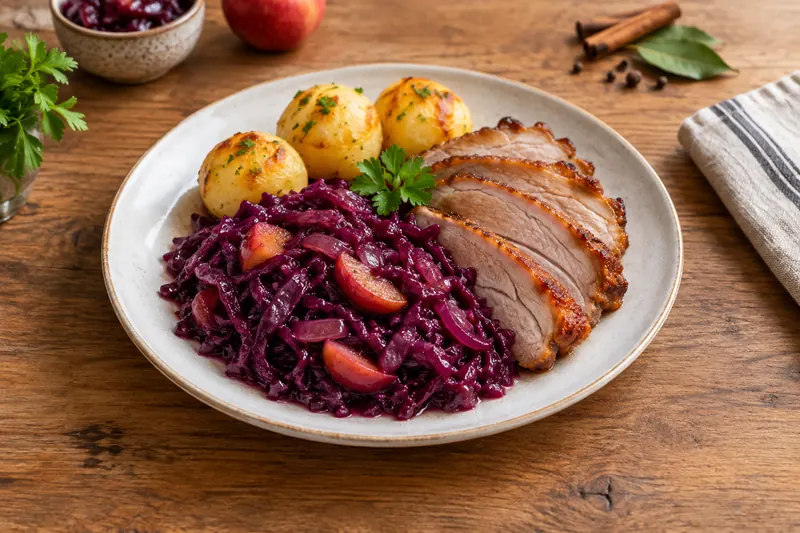 Rotkohl🇩🇪 German recipes · Side dish · 2 h 5 min
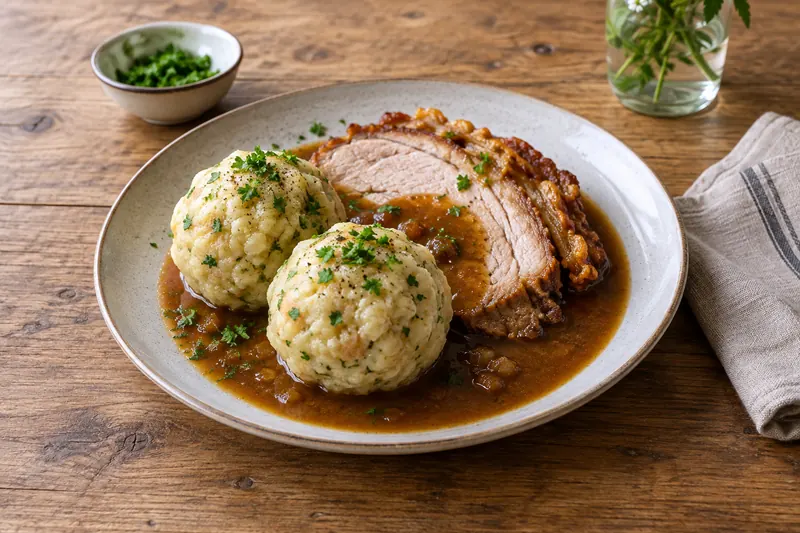 Semmelknödel🇩🇪 German recipes · Side dish · 1 h
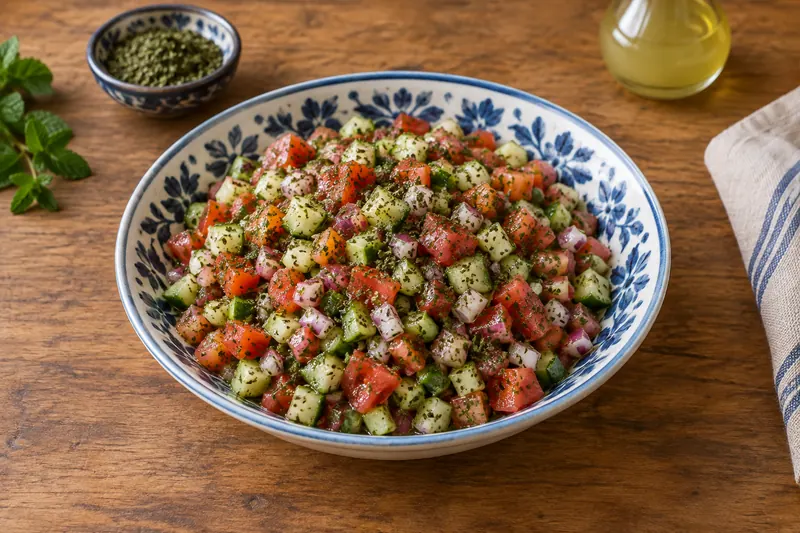 Shirazi Salad🌍 Middle Eastern recipes · Side dish · 15 min
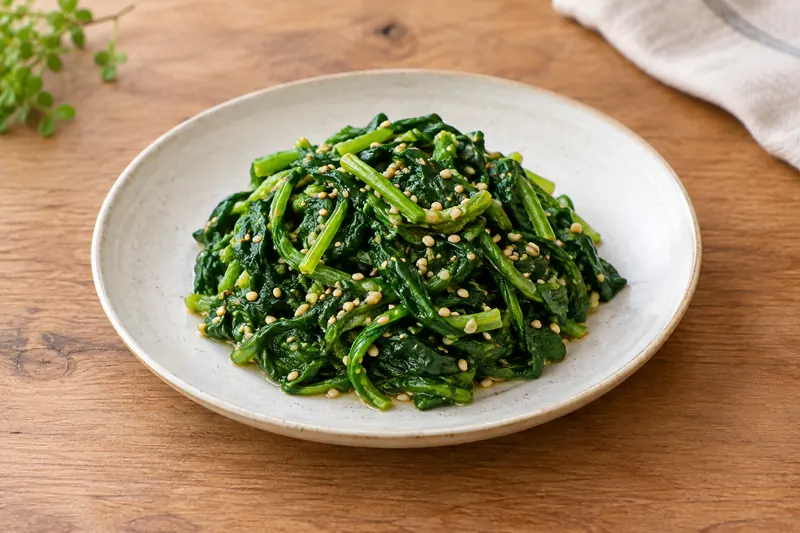 Sigeumchi Namul🇰🇷 Korean recipes · Side dish · 12 min
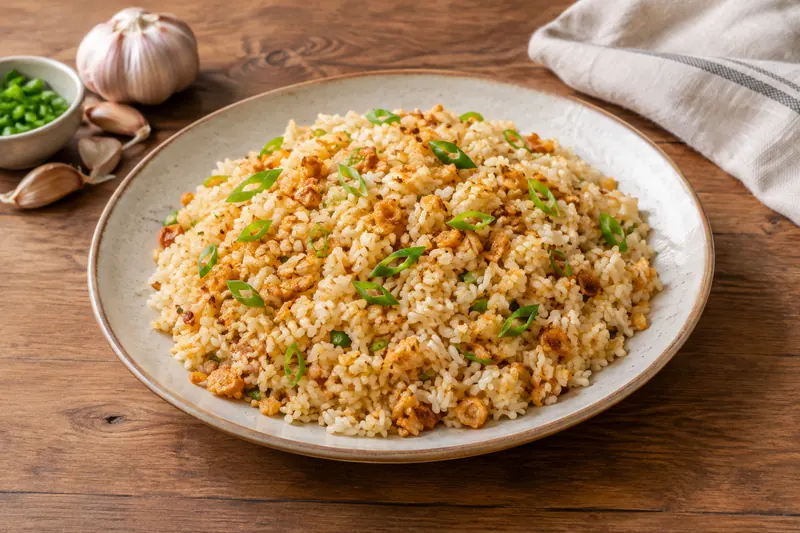 Sinangag🇵🇭 Filipino recipes · Side dish · 8 h 45 min
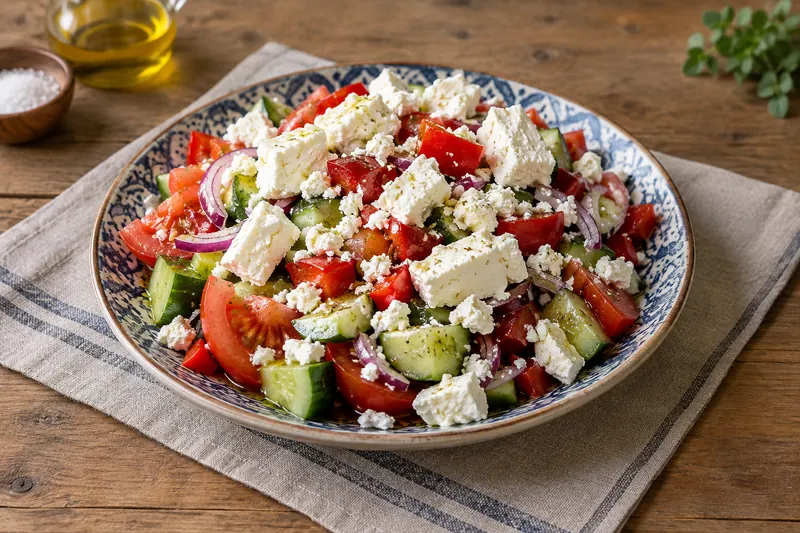 Šopska Salad🌍 Eastern European recipes · Side dish · 15 min
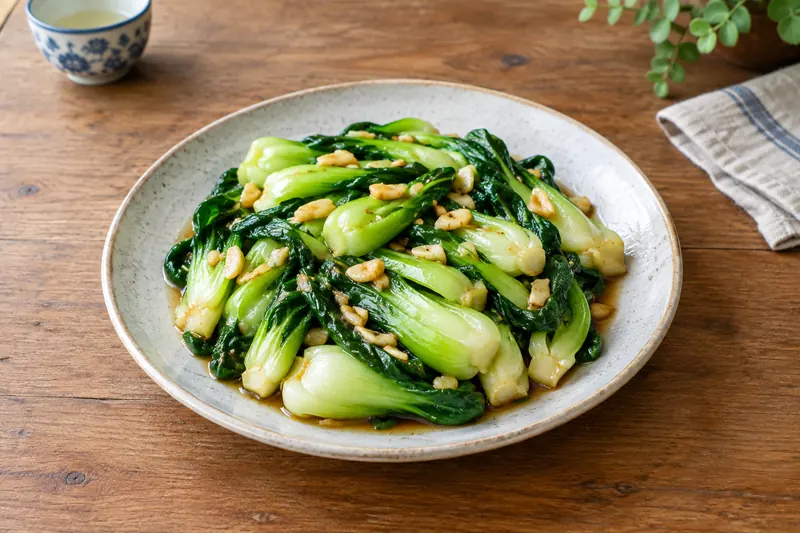 Stir-fried Bok Choy with Garlic🇨🇳 Chinese recipes · Side dish · 10 min
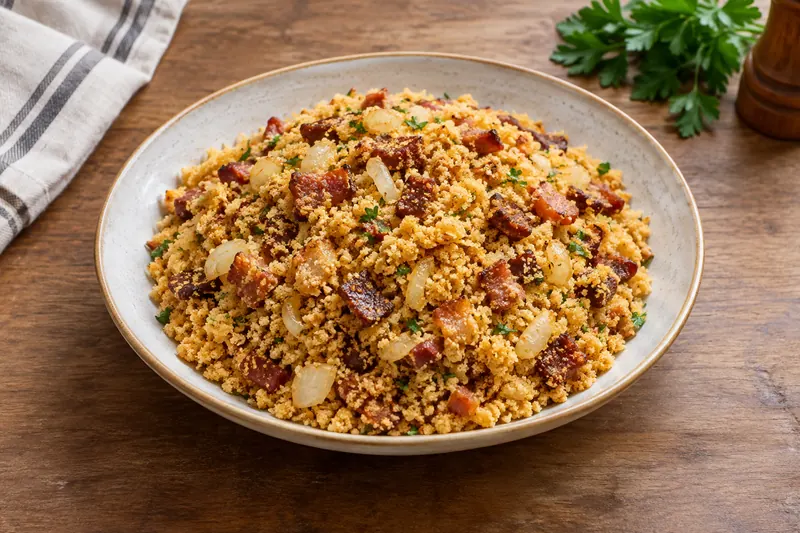 Farofa🇧🇷 Brazilian recipes · Side dish · 32 min
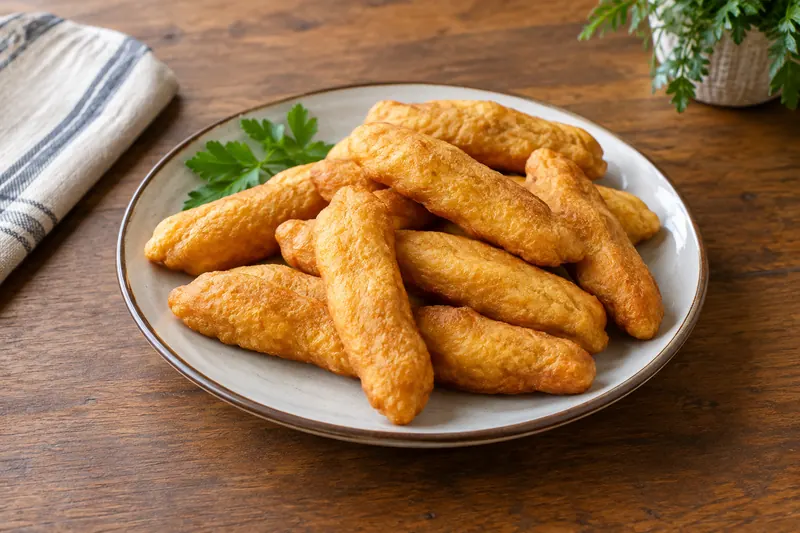 Festival🌎 Caribbean recipes · Side dish · 50 min
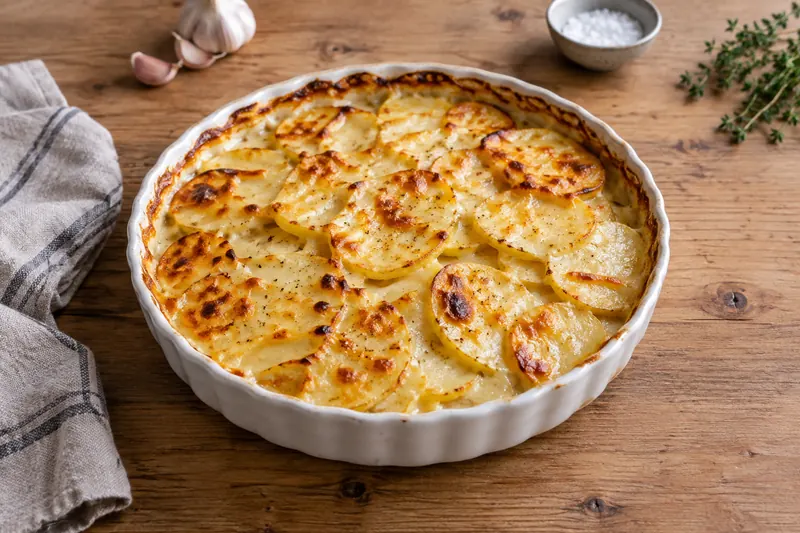 Gratin Dauphinois🇫🇷 French recipes · Side dish · 1 h 50 min
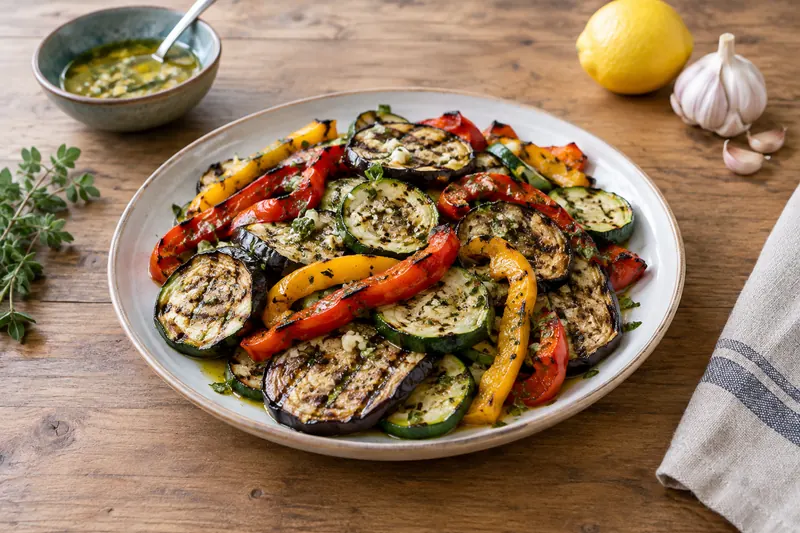 Grilled Vegetable Platter🌍 Mediterranean recipes · Side dish · 1 h 40 min
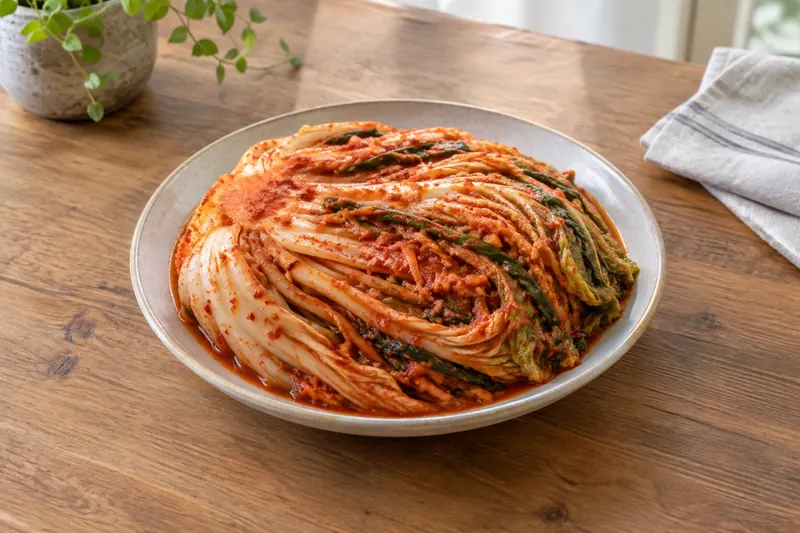 Kimchi🇰🇷 Korean recipes · Side dish · 1 day 4 h
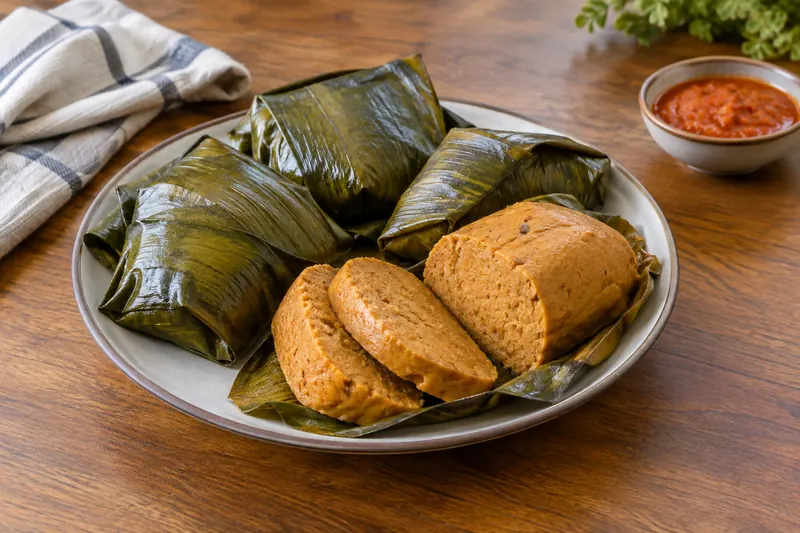 Moi Moi🌍 African recipes · Side dish · 3 h 50 min
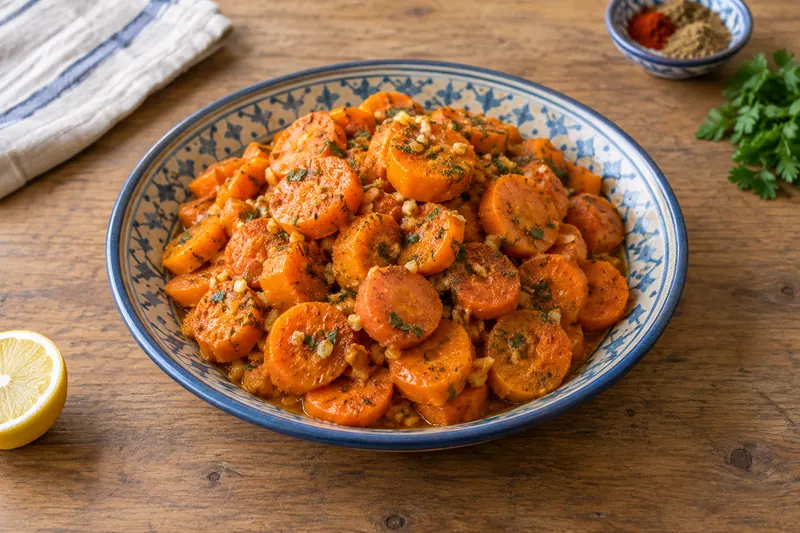 Moroccan Carrot Salad🌍 North African recipes · Side dish · 1 h
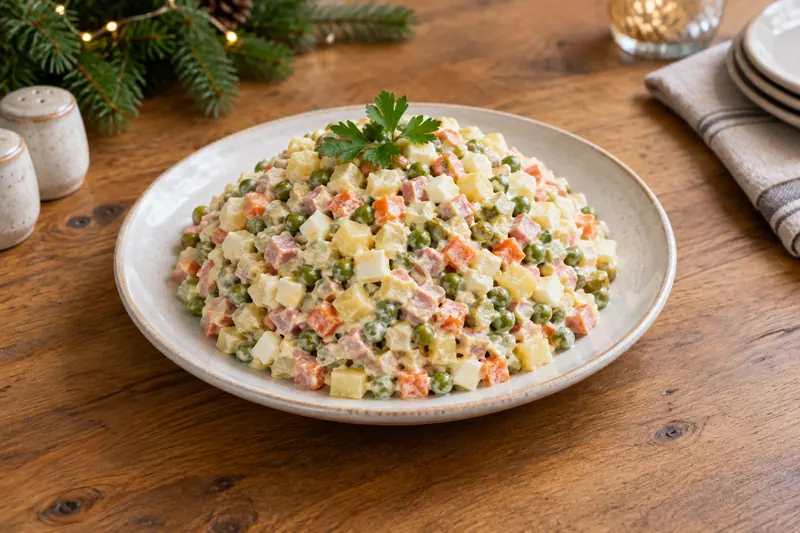 Olivier Salad🌍 Eastern European recipes · Side dish · 3 h 50 min
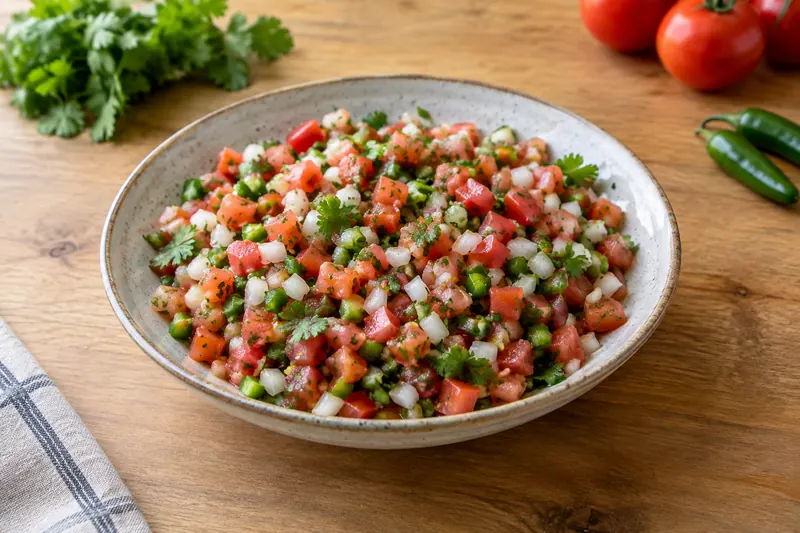 Pico de Gallo🇲🇽 Mexican recipes · Side dish · 25 min
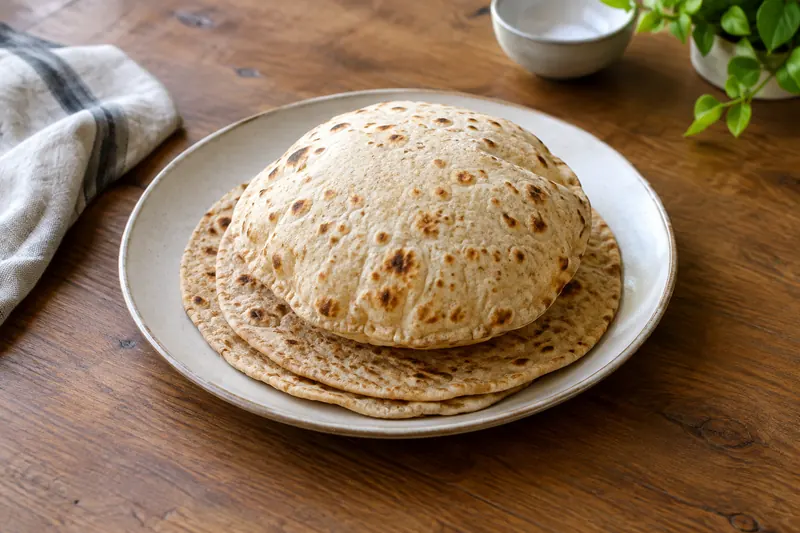 Roti🇮🇳 Indian recipes · Side dish · 1 h 10 min
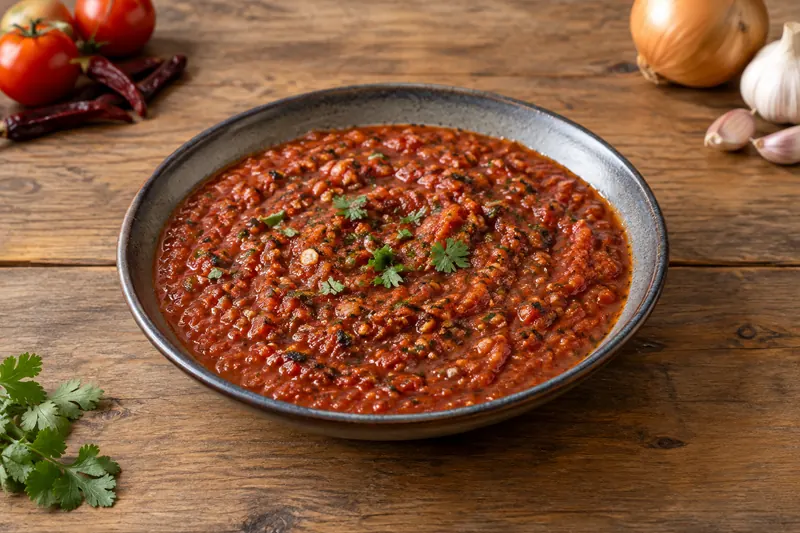 Salsa Roja🇲🇽 Mexican recipes · Side dish · 25 min
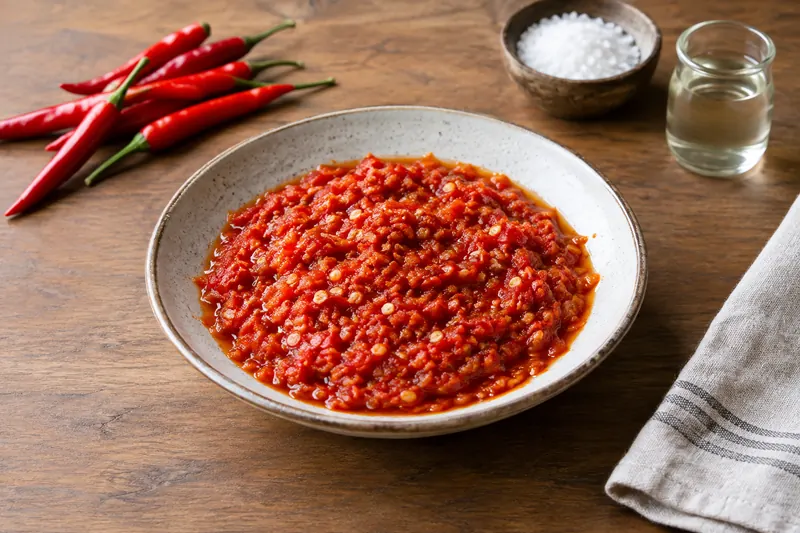 Sambal Oelek🇮🇩 Indonesian recipes · Side dish · 25 min
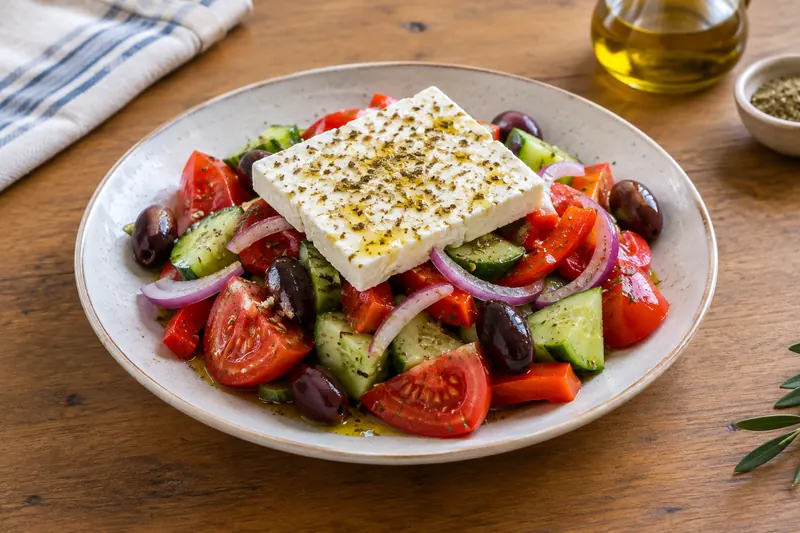 Horiatiki (Greek Salad)🇬🇷 Greek recipes · Side dish · 15 min
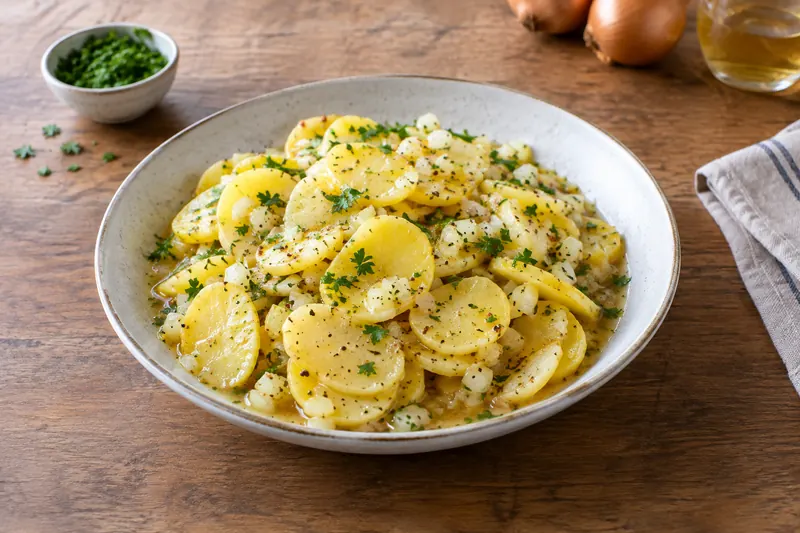 Kartoffelsalat🇩🇪 German recipes · Side dish · 1 h 15 min
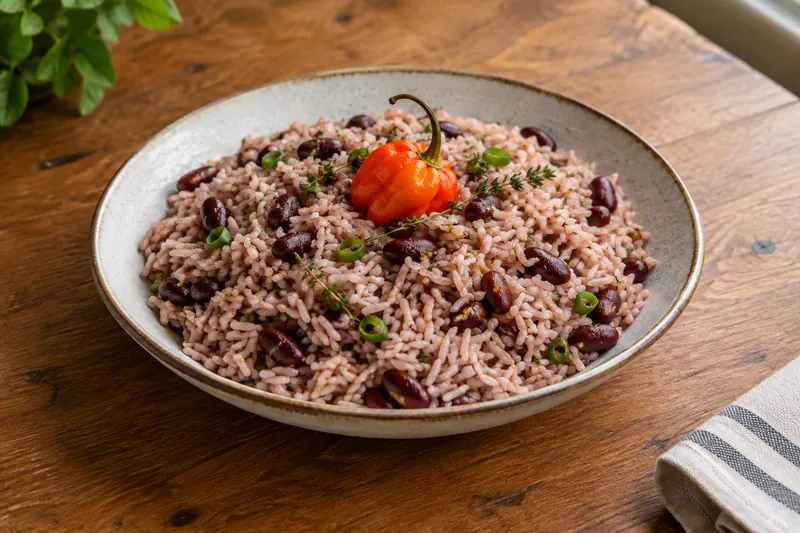 Rice and Peas🌎 Caribbean recipes · Side dish · 9 h 55 min
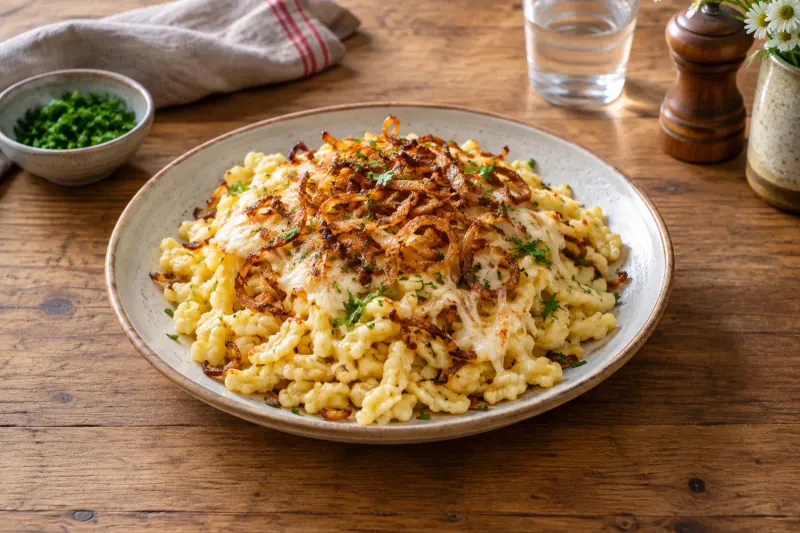 Spätzle🇩🇪 German recipes · Side dish · 50 min
How to choose a side dish
Start with what the main is missing. A rich braise or fatty grilled meat wants something sharp or fresh, such as cacık, escalivada or a caprese salad, while a lean piece of fish or chicken can carry a richer side like cauliflower cheese or colcannon.
Then think about starch. If the main has none, the side supplies it: arroz rojo, spätzle, farofa, festival or East African chapati. If the main already comes with rice or potatoes, choose a vegetable side such as ajvar or chakalaka instead.
Sides that belong to a particular meal
Some sides are hard to separate from the food they are served with. Chakalaka is the spicy relish of the South African braai, festival is the faintly sweet fried dumpling that goes with fried fish in Jamaica, and farofa, toasted cassava flour, is scattered over beans, rice and grilled meat all over Brazil.
Cuban black beans are served over white rice and finished with vinegar and a pinch of sugar, which is what makes them taste Cuban. Cacık, yoghurt with cucumber, garlic and dried mint, is looser than a dip and eaten from a bowl beside grilled meat, sometimes with an ice cube in it.
Chawanmushi is the quiet one: a Japanese savoury egg custard set gently in dashi and served in its own cup as part of a larger meal. It is steamed at low heat so the surface stays smooth, and with prawn, chicken and a fish-based dashi in the cup it is not vegetarian.
Sides and sauces you can make ahead
Several sides improve with time. Chimichurri is made hours ahead so the garlic loses its edge, ajvar is cooked in large batches every autumn across the Balkans, and chakalaka and Cuban black beans both taste better the next day.
Escalivada is usually served at room temperature, so it can wait on the table, and focaccia needs a long, slow prove, so start it the day before or early in the morning. Set the side to the same number of servings as the main and the amounts line up.
Frequently asked questions
- What side dishes go with steak?
- Béarnaise sauce is the classic: a warm emulsion of egg yolks and butter flavoured with a reduction of white wine vinegar, shallot and tarragon. Chimichurri is the Argentine answer, a sharp sauce of hand-chopped parsley, garlic, dried oregano and vinegar that needs no cooking. For something on the plate beside it, colcannon, cauliflower cheese or a caprese salad all work.
- Which side dishes are vegan?
- The sides tagged vegan here are ajvar, arroz rojo, chakalaka, Cuban black beans, East African chapati, escalivada, fava, focaccia and chimichurri. A recipe is tagged vegan only when every non-optional ingredient is plant-based. All of them except focaccia and chapati, which are made with wheat flour, are tagged gluten-free as well.
- Is Greek fava made from fava beans?
- No. Greek fava is made from yellow split peas, and the best-known comes from Santorini. The peas are simmered to a purée with onion, then whipped with olive oil and lemon until silky and served warm with capers, red onion and more oil. The recipe here is vegan and gluten-free and takes about an hour.
- What is colcannon?
- Colcannon is Irish mashed potato folded with shredded savoy cabbage and spring onions cooked in milk, served with a well of melting butter in the middle. It is traditional at Halloween, when a ring or coin was once hidden inside, and it sits well beside a roast, sausages or ham. It takes about 40 minutes and is tagged vegetarian and gluten-free.
- Should cornbread be sweet?
- It depends on where you are from. Southern cornbread is barely sweet, while Northern cornbread is sweeter and closer to cake. The recipe here uses a single tablespoon of sugar, with buttermilk and cornmeal poured into a preheated, buttered cast-iron skillet so the edges fry into a crisp crust. It takes about 35 minutes and is at its best warm with butter.