Vietnamese recipes
These Vietnamese recipes balance salty, sour, sweet and fresh in almost every bowl. Fish sauce, lime and sugar meet a pile of fresh herbs, and grilled meat sits on top of rice noodles rather than the other way round. Most meals put a plate of herbs and a bowl of dipping sauce in the middle of the table.
The collection runs from a slow phở bò and Hanoi’s bún chả to bánh mì, crisp bánh xèo pancakes and cơm tấm with broken rice. Herbs are listed by name and amount in every recipe, so the shopping list tells you exactly which bunches to pick up.
16 recipes
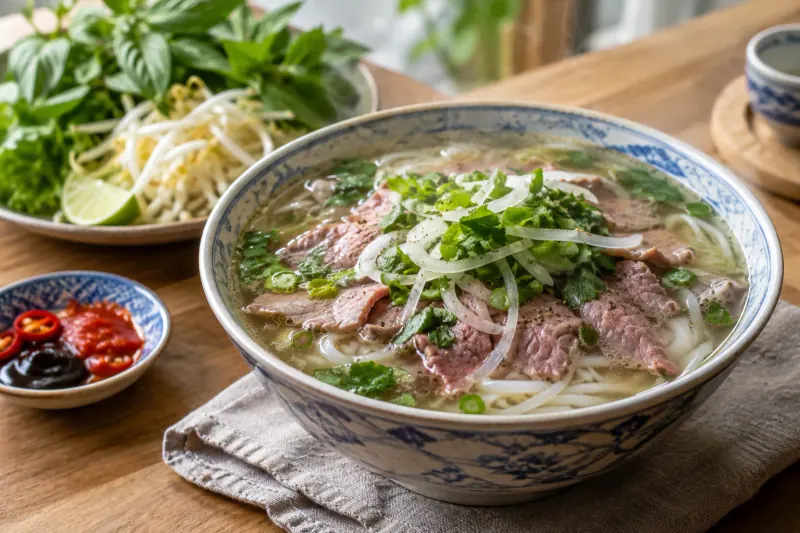 Phở Bò🇻🇳 Vietnamese recipes · Lunch · 4 h 40 min
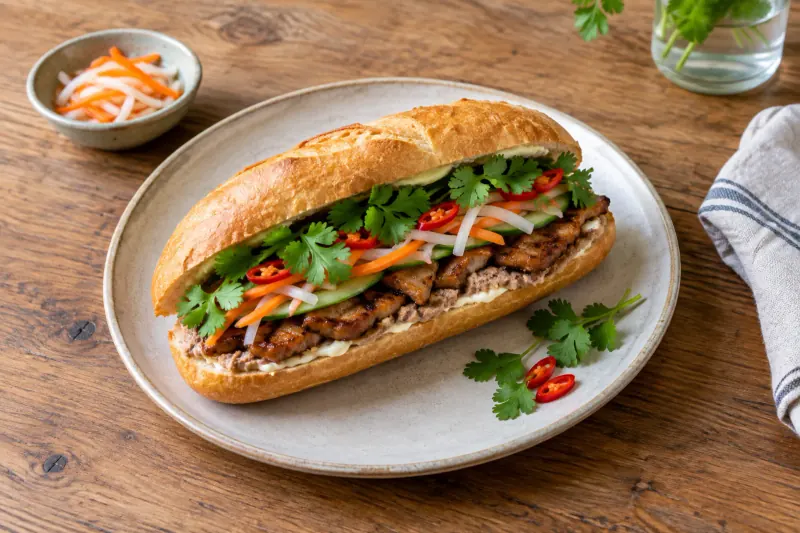 Bánh Mì🇻🇳 Vietnamese recipes · Lunch · 1 h
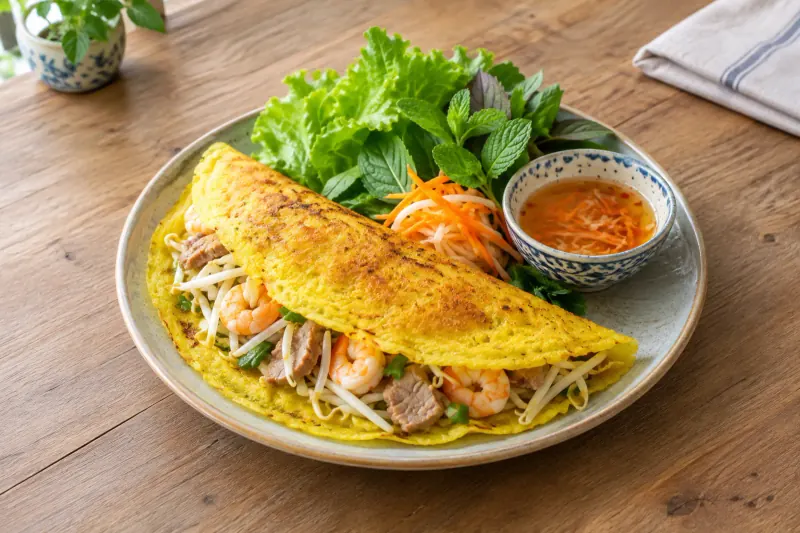 Bánh Xèo🇻🇳 Vietnamese recipes · Dinner · 55 min
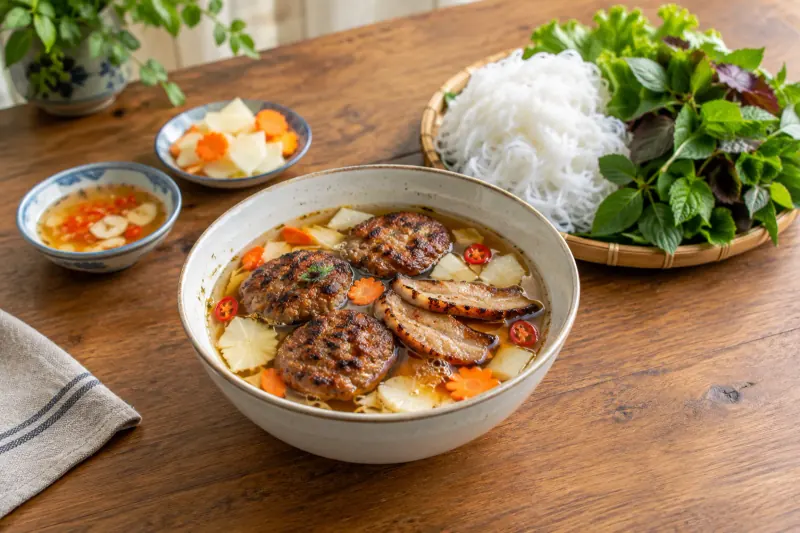 Bún Chả🇻🇳 Vietnamese recipes · Dinner · 1 h 10 min
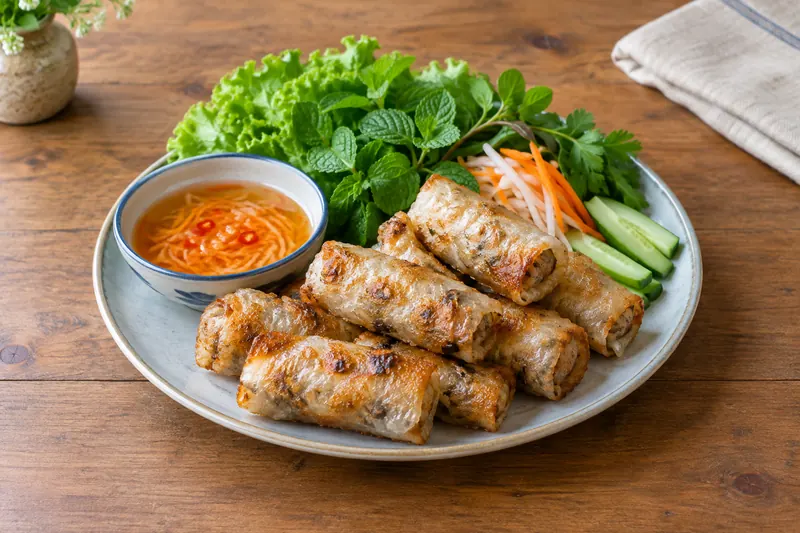 Chả Giò🇻🇳 Vietnamese recipes · Snack · 1 h 35 min
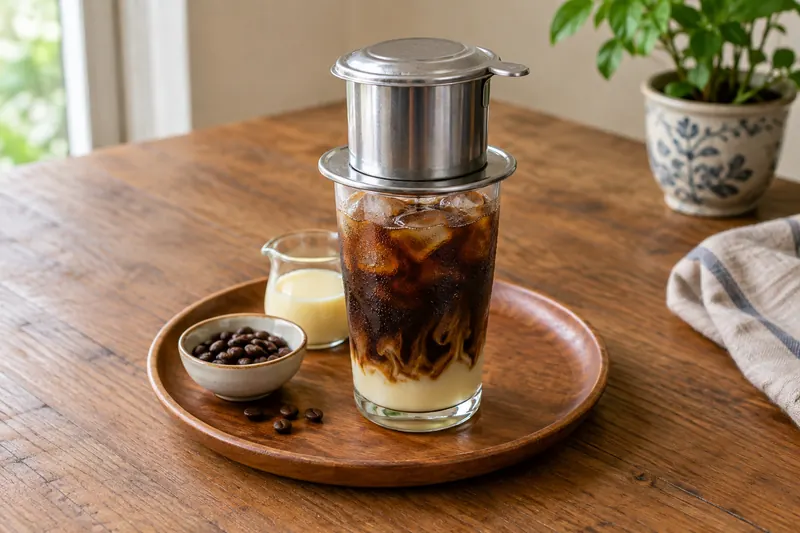 Cà Phê Sữa Đá🇻🇳 Vietnamese recipes · Drink · 10 min
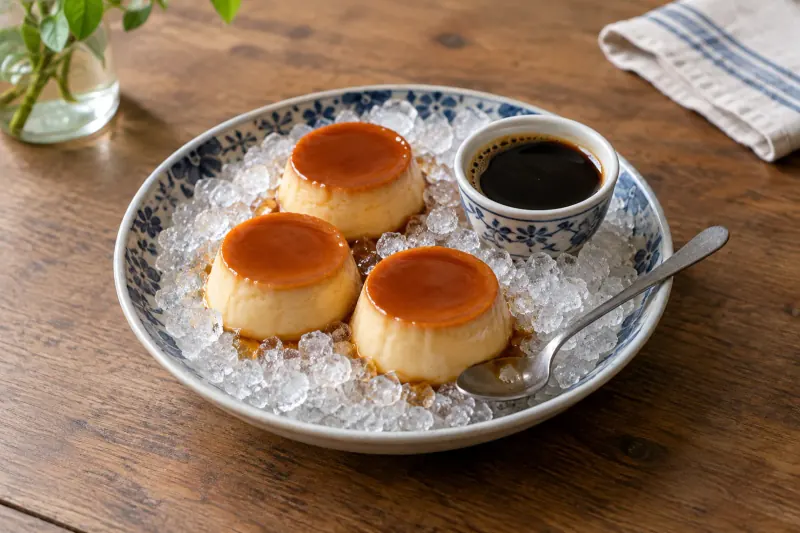 Bánh Flan🇻🇳 Vietnamese recipes · Dessert · 5 h 20 min
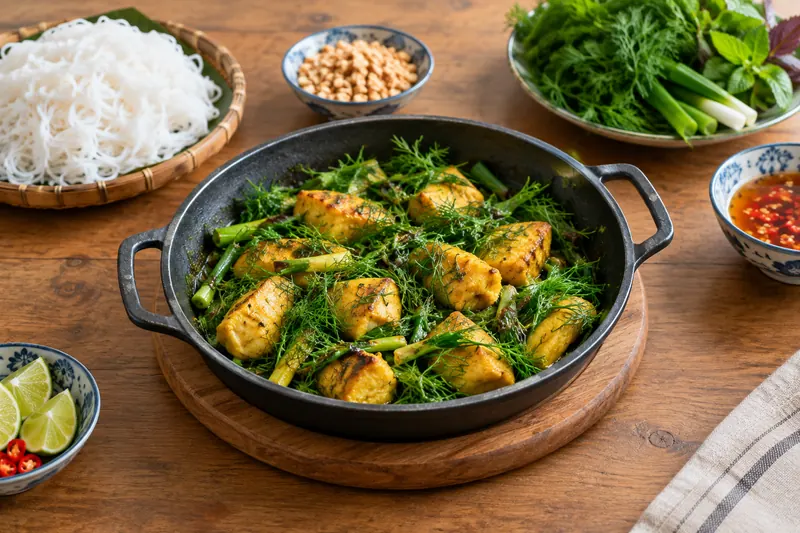 Chả Cá Lã Vọng🇻🇳 Vietnamese recipes · Dinner · 1 h 45 min
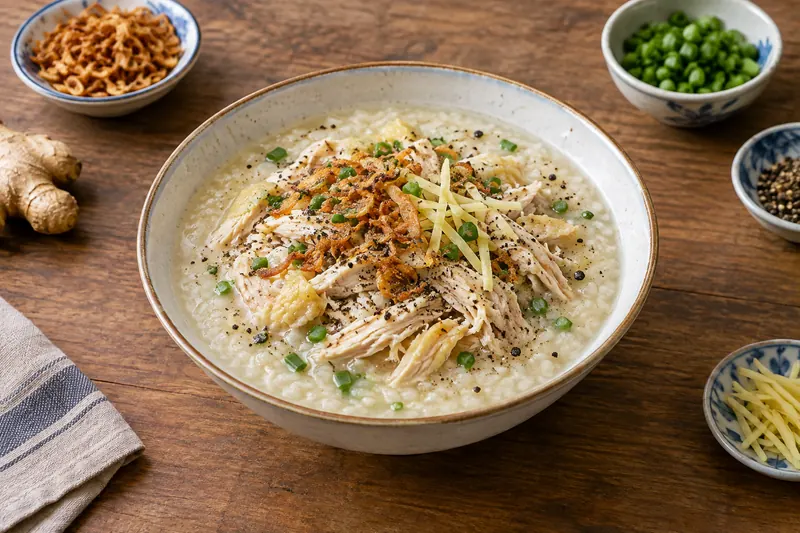 Cháo Gà🇻🇳 Vietnamese recipes · Breakfast · 1 h 30 min
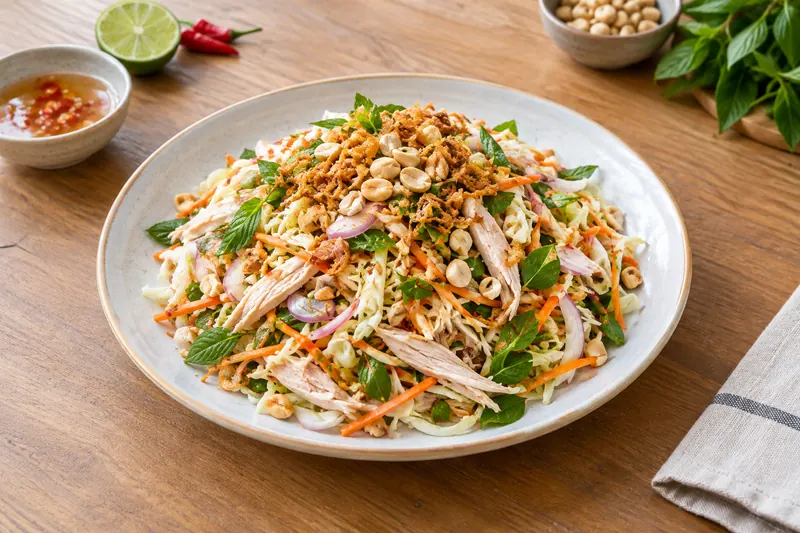 Gỏi Gà🇻🇳 Vietnamese recipes · Lunch · 1 h 10 min
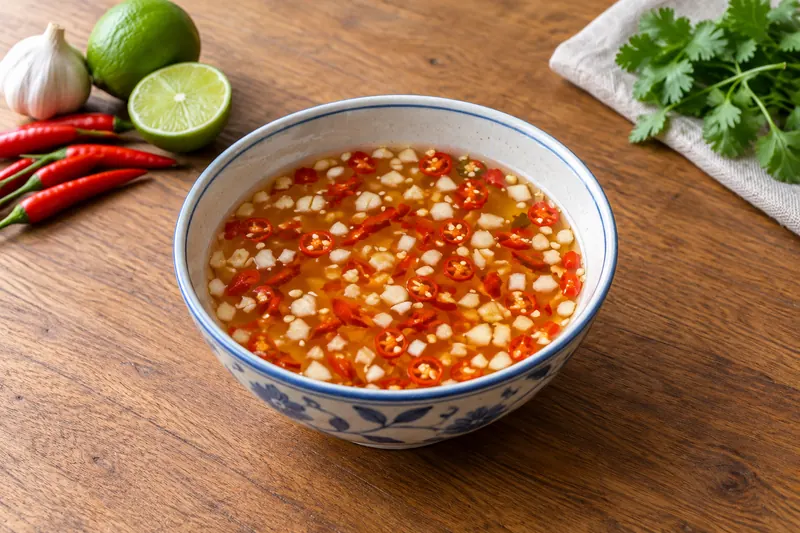 Nước Chấm🇻🇳 Vietnamese recipes · Side dish · 10 min
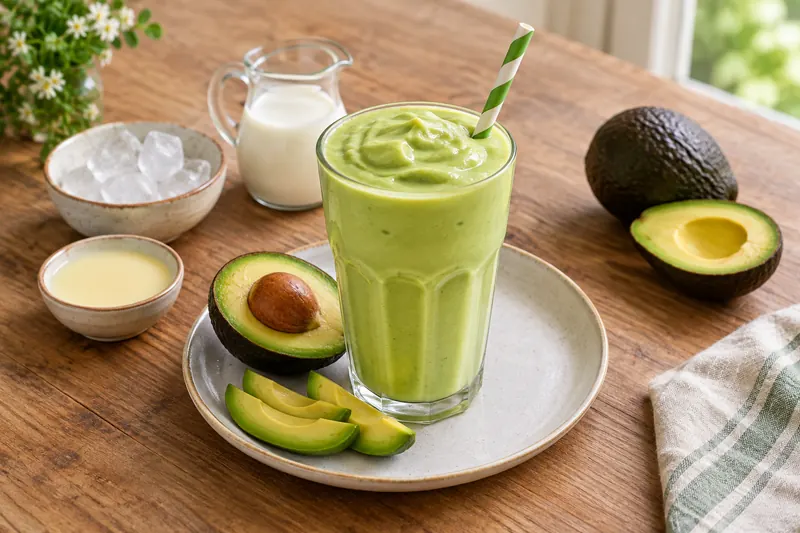 Sinh Tố Bơ🇻🇳 Vietnamese recipes · Drink · 5 min
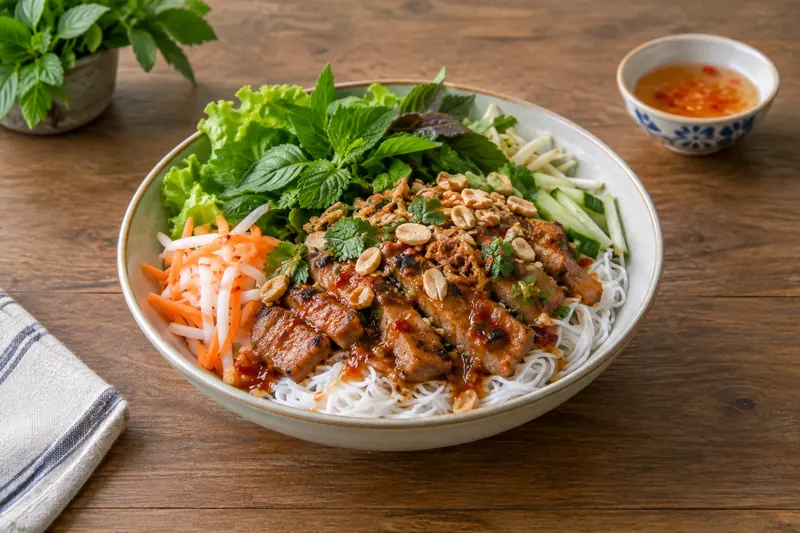 Bún Thịt Nướng🇻🇳 Vietnamese recipes · Dinner · 2 h 45 min
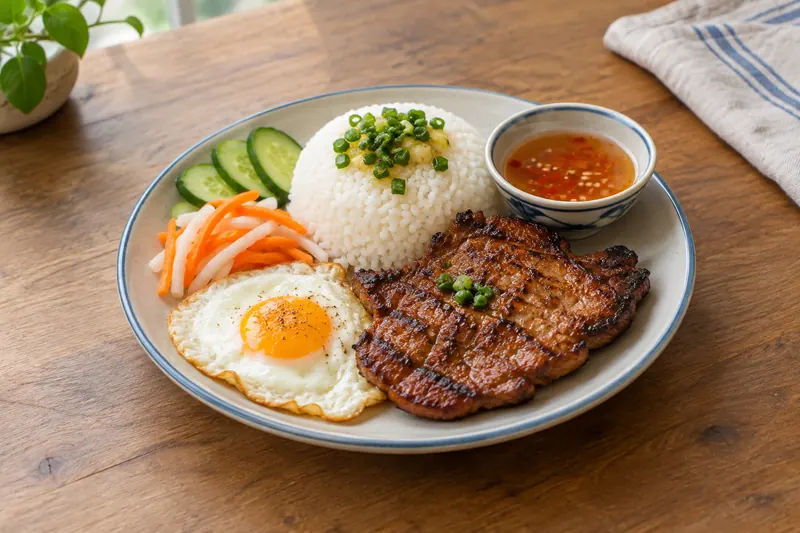 Cơm Tấm🇻🇳 Vietnamese recipes · Lunch · 4 h 45 min
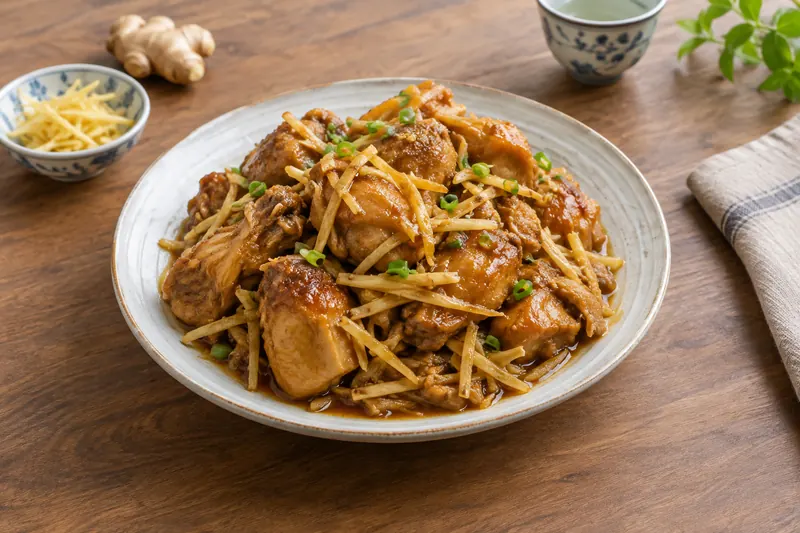 Gà Kho Gừng🇻🇳 Vietnamese recipes · Dinner · 1 h 5 min
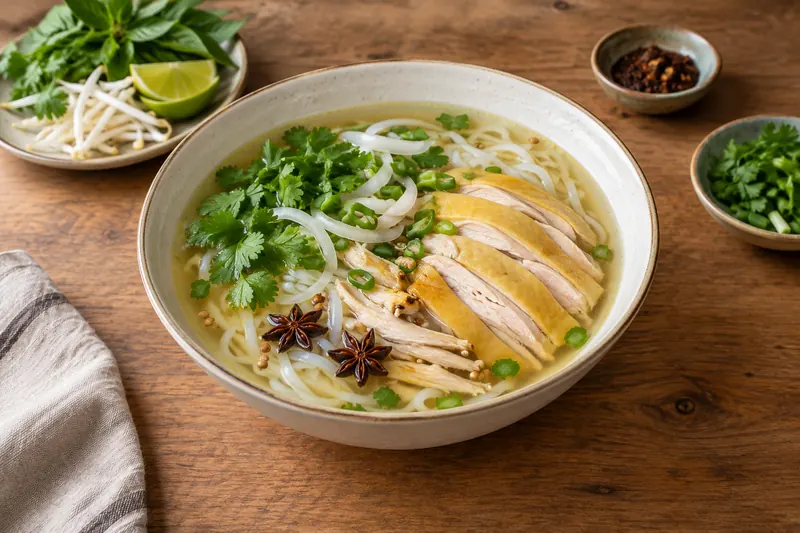 Phở Gà🇻🇳 Vietnamese recipes · Dinner · 2 h 35 min
What makes Vietnamese food taste the way it does
Vietnamese cooking is built on contrast. Something hot and rich, like grilled pork or a boiling broth, meets cold rice noodles, raw herbs, crunchy pickles and a dipping sauce, and each person adjusts the bowl as they eat.
Nước chấm ties it together: fish sauce, lime or vinegar, sugar, water, garlic and chilli, mixed to taste. It is poured over bún thịt nướng, served beside cơm tấm and becomes the warm broth for bún chả. Getting its balance right matters more than any single ingredient in those dishes.
The Vietnamese pantry and the herbs to buy
The shelf staples are few: a good fish sauce, rice noodles in a couple of widths, rice paper, rice flour, and whole spices such as star anise and cinnamon for phở. Fresh produce does the rest. Lemongrass flavours the grilled pork in bún thịt nướng, cơm tấm and bánh mì, while turmeric colours and galangal flavours the fish in chả cá lã vọng.
Herbs are part of the dish rather than a garnish, often a whole plateful. Buy them the day you cook, because they wilt quickly, and keep a jar of pickled carrot and daikon in the fridge for bánh mì and noodle bowls.
Northern and southern Vietnamese dishes
Northern cooking, centred on Hanoi, is cleaner and less sweet, and phở bò, bún chả and chả cá lã vọng all come from the north. Chả cá lã vọng arrives at the table still in its pan, with rice noodles, peanuts and a mass of dill.
The south, around Saigon, uses more sugar and more herbs. Cơm tấm is Saigon’s everyday broken-rice plate, and bánh mì as most people know it grew up there too, on the baguette the French left behind. Bánh flan, a caramel custard, is another French legacy made Vietnamese.
Some dishes belong to the whole country. Cháo gà, a gentle chicken and rice porridge, is what Vietnamese families make for anyone feeling unwell, and chả giò, the fried spring rolls, are a fixture of family celebrations.
Frequently asked questions
- What is the most popular Vietnamese dish?
- Phở is the dish most people know: a beef noodle soup with a clear, spiced broth poured boiling over rice noodles and paper-thin raw beef, which cooks in the bowl. Bánh mì, the filled baguette, is the other name most people recognise. Both are on this page, and phở bò is the slow one, so allow most of an afternoon.
- What is the difference between phở and bún?
- Phở is a noodle soup made with flat rice noodles in a long-simmered broth. Bún is the word for thin, round rice vermicelli, served at room temperature with grilled meat, herbs and nước chấm, as in bún chả and bún thịt nướng, or in hot soups. Both noodles are made from rice, so neither contains wheat.
- Is Vietnamese food gluten-free?
- Much of it comes close, because it relies on rice noodles, rice paper and rice flour rather than wheat, and mostly on fish sauce rather than soy sauce. On this page cháo gà, bánh xèo, chả giò and chả cá lã vọng are among the recipes tagged gluten-free. Bánh mì, bún thịt nướng and cơm tấm are not: their pork marinade uses soy sauce and the baguette is wheat. A few fish sauce brands add wheat too, so check the label.
- How is Vietnamese iced coffee made?
- Cà phê sữa đá is dark-roast coffee dripped slowly through a small metal phin filter onto sweetened condensed milk, then stirred and poured over ice. It is meant to be strong and sweet, and it takes about ten minutes. Without a phin, strong coffee from a moka pot is the closest substitute.