Chinese recipes
These Chinese recipes are fast at the stove and patient in the preparation: everything is chopped before the wok gets hot, then cooked in a few minutes of high heat. A small set of sauces, among them soy sauce, oyster sauce and black vinegar, does most of the work.
Cook kung pao chicken, beef and broccoli or beef chow fun on a weeknight, make congee when someone is under the weather, and save egg tarts for a slow afternoon. Only the ingredients you still need go onto the shared shopping list, so a half-full bottle of soy sauce does not turn into two.
19 recipes
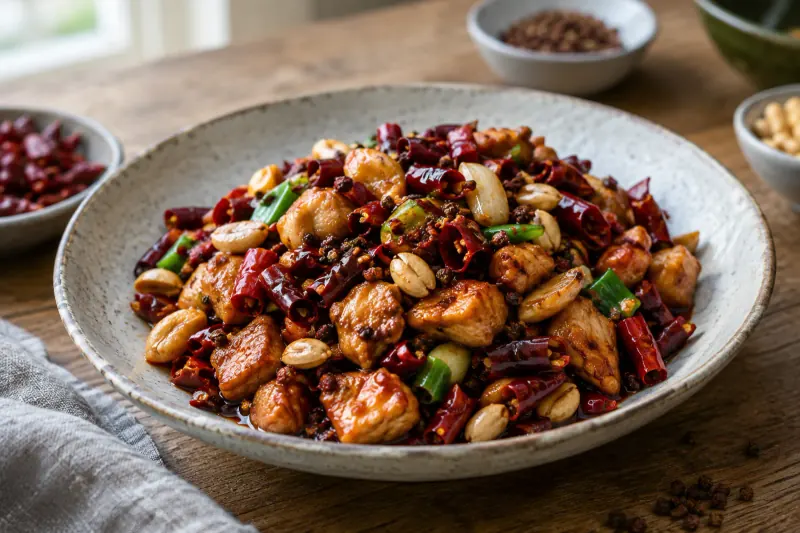 Kung Pao Chicken🇨🇳 Chinese recipes · Dinner · 30 min
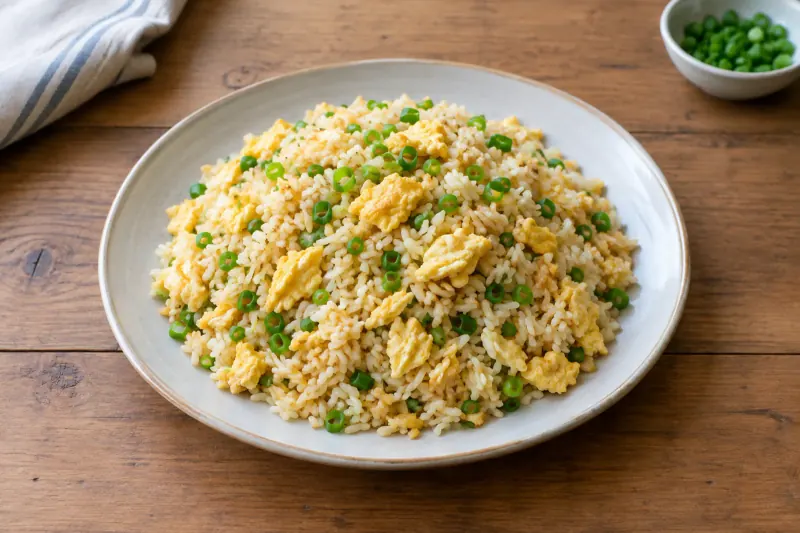 Egg Fried Rice🇨🇳 Chinese recipes · Dinner · 1 h 35 min
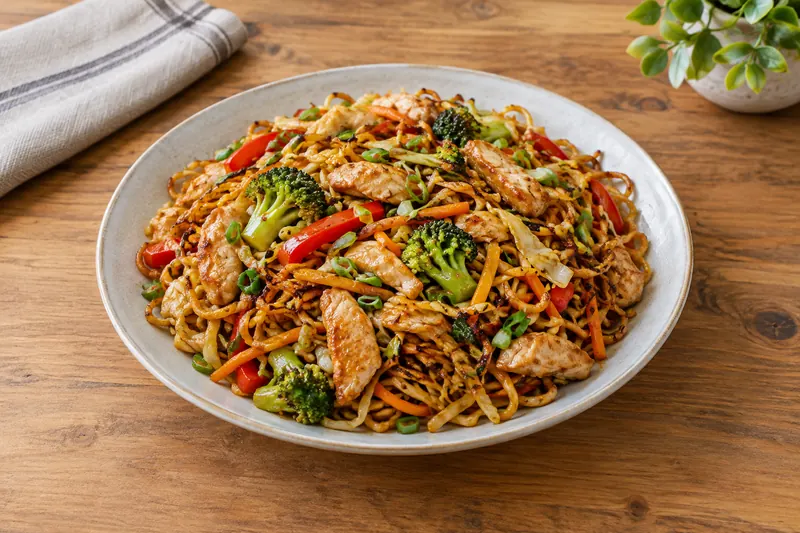 Chicken Chow Mein🇨🇳 Chinese recipes · Dinner · 35 min
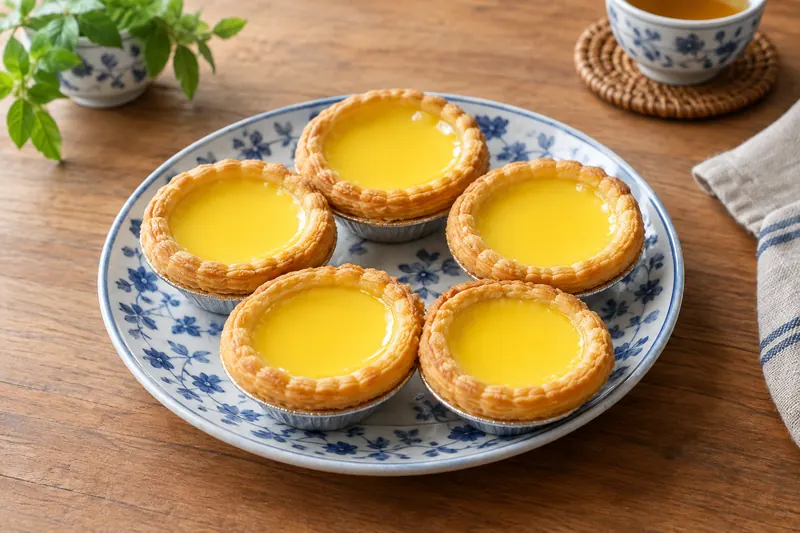 Egg Tarts🇨🇳 Chinese recipes · Dessert · 1 h 45 min
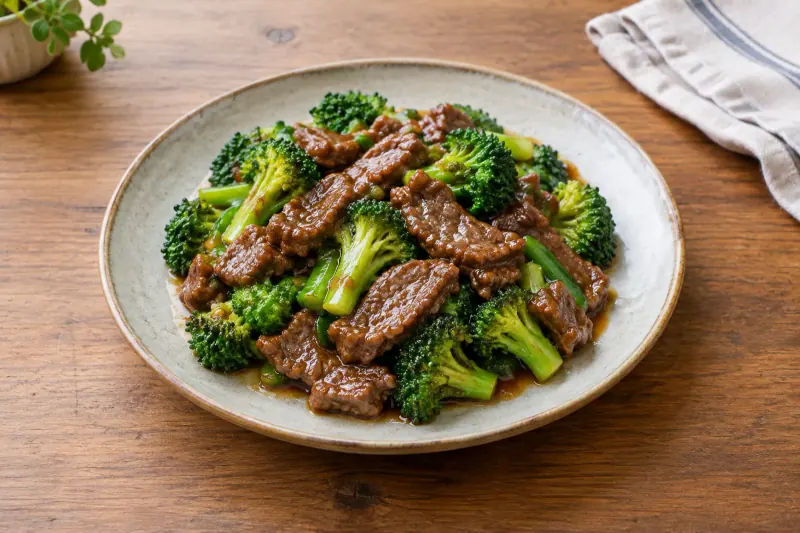 Beef and Broccoli🇨🇳 Chinese recipes · Dinner · 40 min
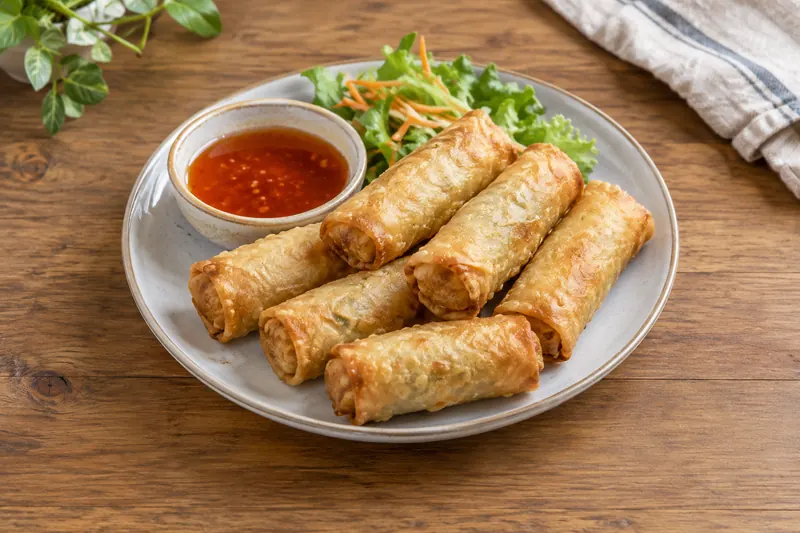 Chinese Spring Rolls🇨🇳 Chinese recipes · Snack · 1 h 50 min
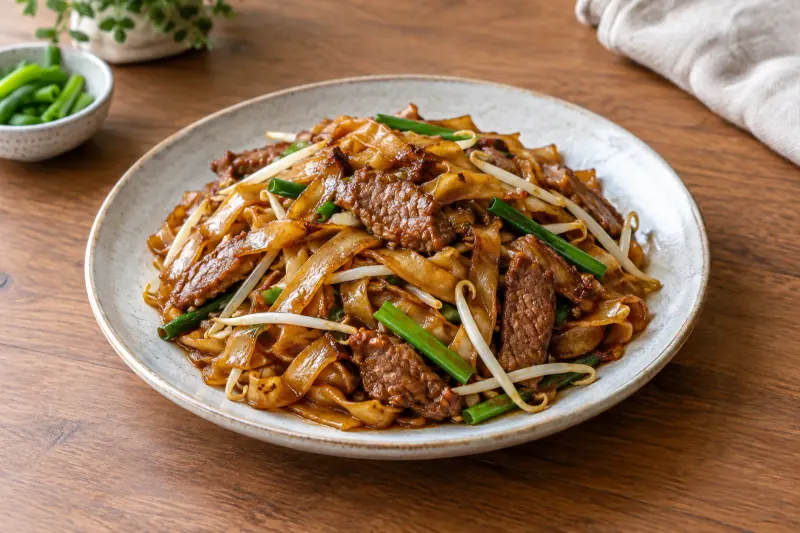 Beef Chow Fun🇨🇳 Chinese recipes · Dinner · 30 min
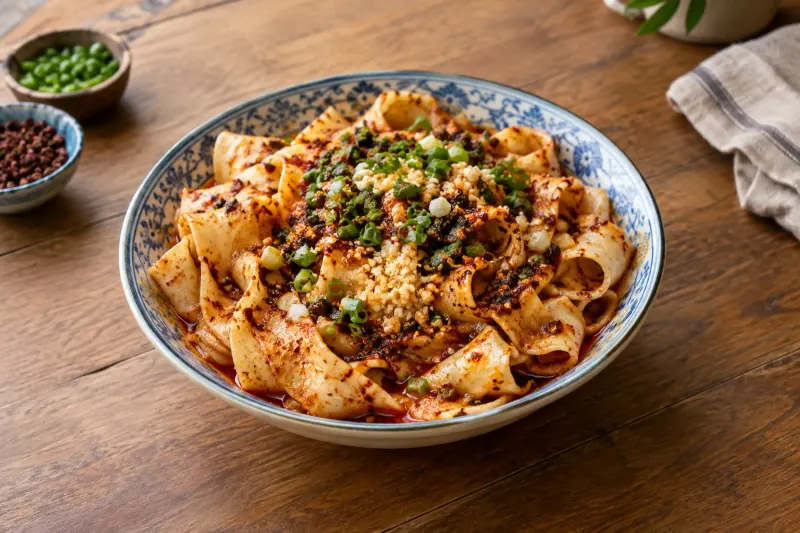 Biang Biang Noodles🇨🇳 Chinese recipes · Lunch · 2 h 15 min
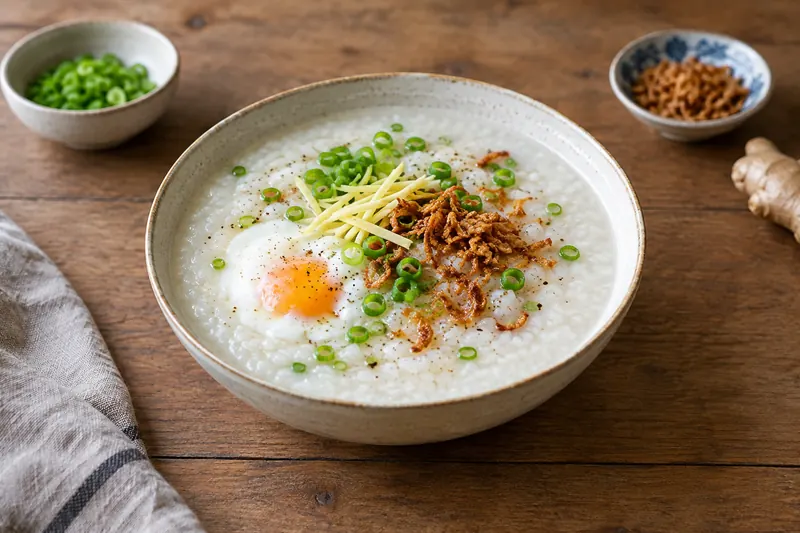 Congee🇨🇳 Chinese recipes · Breakfast · 2 h
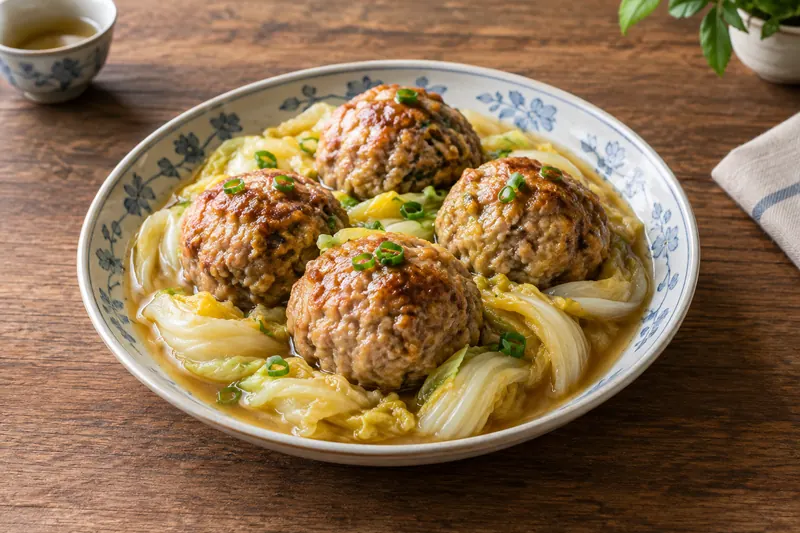 Lion’s Head Meatballs🇨🇳 Chinese recipes · Dinner · 1 h 30 min
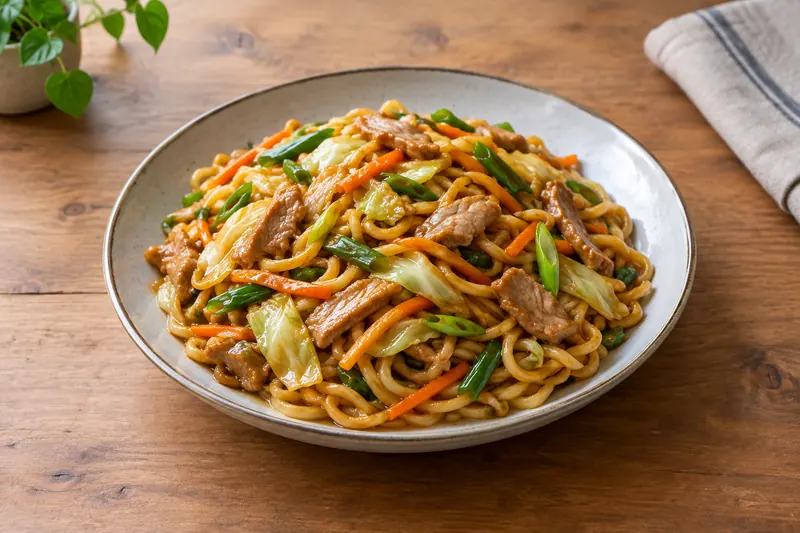 Lo Mein🇨🇳 Chinese recipes · Dinner · 25 min
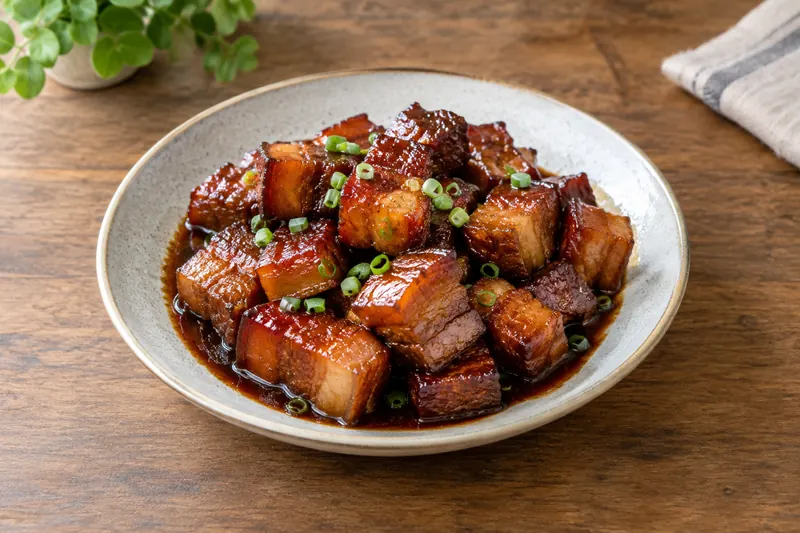 Red-Braised Pork Belly🇨🇳 Chinese recipes · Dinner · 1 h 50 min
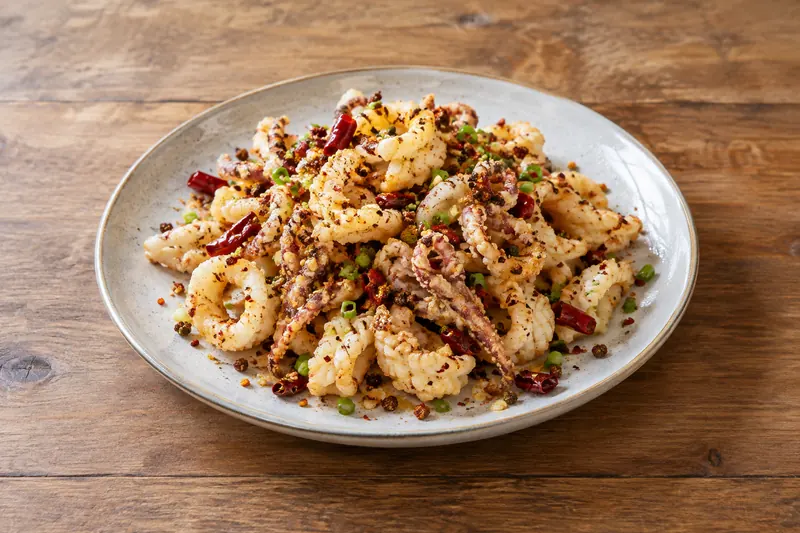 Salt and Pepper Squid🇨🇳 Chinese recipes · Snack · 30 min
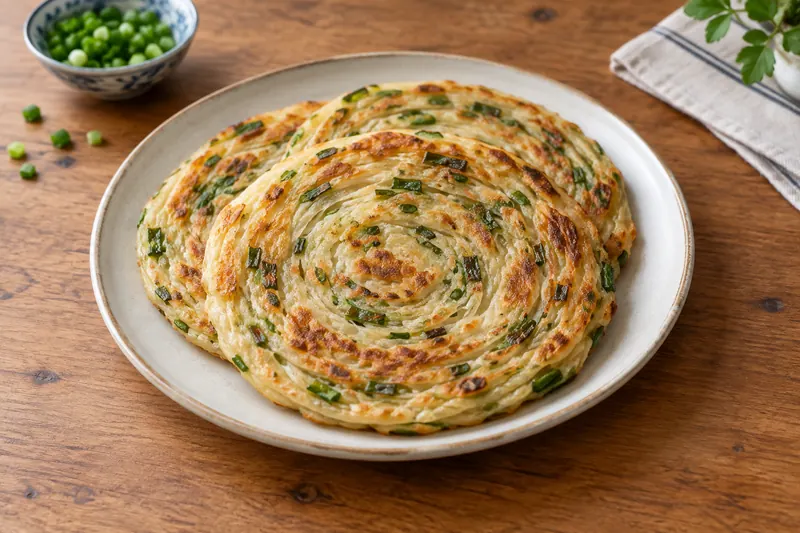 Scallion Pancakes🇨🇳 Chinese recipes · Snack · 1 h 45 min
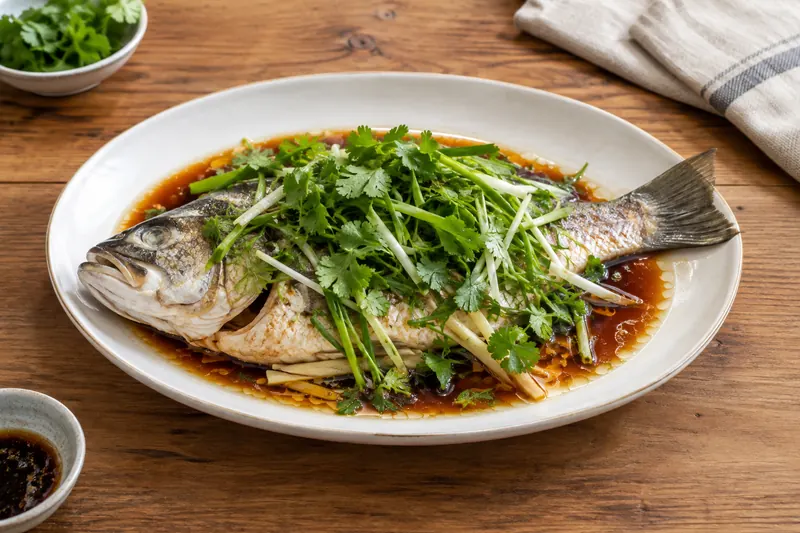 Steamed Whole Fish🇨🇳 Chinese recipes · Dinner · 30 min
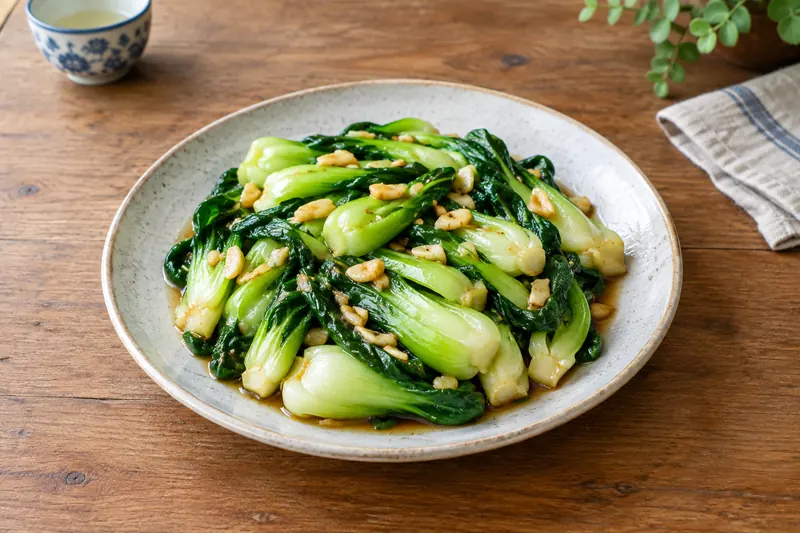 Stir-fried Bok Choy with Garlic🇨🇳 Chinese recipes · Side dish · 10 min
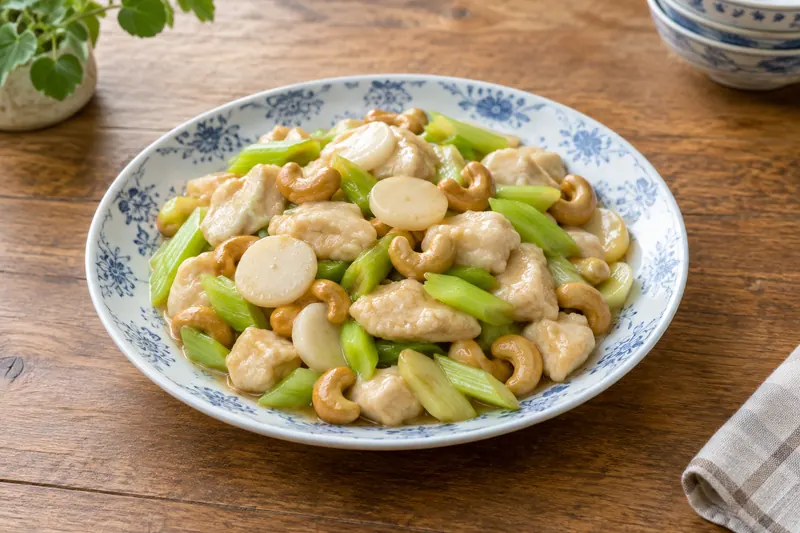 Chicken with Cashew Nuts🇨🇳 Chinese recipes · Dinner · 35 min
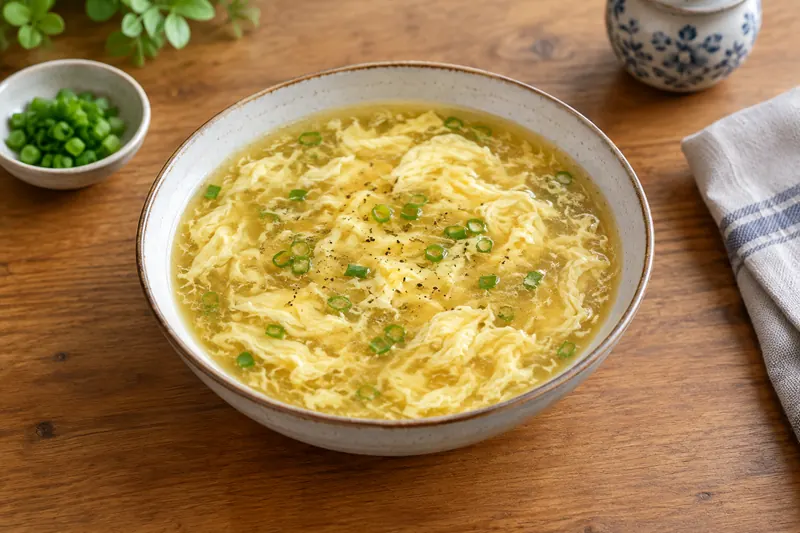 Egg Drop Soup🇨🇳 Chinese recipes · Lunch · 15 min
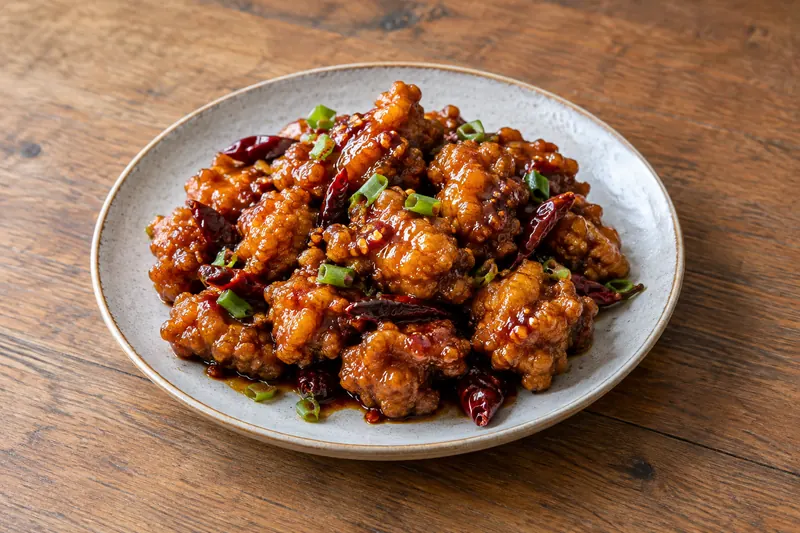 General Tso’s Chicken🇨🇳 Chinese recipes · Dinner · 1 h 5 min
Cantonese, Sichuan and beyond: Chinese regional cooking
China has several great regional cuisines, and this page draws on a few of them. Cantonese cooking from the south values clean flavours and wok skill, from beef chow fun and chicken with cashew nuts to the egg tarts of Hong Kong bakeries.
Sichuan cooking brings numbing Sichuan pepper and dried chillies, as in the original kung pao chicken with its sharp black vinegar sauce. Biang biang noodles come from Xi’an in the north-west, pulled by hand and doused in smoking oil. Beef and broccoli grew up in Chinese restaurants abroad, and it earns its place for the technique behind it.
Wok cooking at home: heat, timing and velveting
A home hob cannot match a restaurant wok burner, so cook in small batches and let the wok heat until it smokes lightly before anything goes in. A crowded pan drops the temperature, and the food steams instead of searing.
Velveting keeps meat tender at high heat: the slices are coated in cornflour, sometimes with egg white or a pinch of bicarbonate of soda, before they hit the wok. Beef and broccoli, chicken with cashew nuts and beef chow fun all use it.
Kung pao chicken cooks in about five minutes, so measure every sauce and chop every ingredient first. Egg fried rice needs rice that was cooked earlier and chilled, since freshly cooked rice turns sticky.
Stocking a Chinese pantry and serving a meal
A handful of bottles covers this page: light and dark soy sauce, oyster sauce, Chinese black vinegar, toasted sesame oil and cornflour, plus Sichuan peppercorns and dried chillies for the Sichuan dishes. Most keep for months once opened, so the first shop sets you up for several dishes.
A Chinese meal is shared, with several dishes on the table at once. Try egg drop soup and Chinese spring rolls to start, kung pao chicken and beef and broccoli with egg fried rice in the middle, and egg tarts to finish.
Frequently asked questions
- What is the difference between chow mein and chow fun?
- Chow mein is made with egg noodles, fried hard in the wok so some strands crisp while others stay soft. Chow fun uses wide, flat rice noodles, tossed with beef, bean sprouts and dark soy until they pick up a smoky edge. Chicken chow mein and beef chow fun are both on this page and take about 30 to 35 minutes.
- What is authentic kung pao chicken?
- The Sichuan original is diced chicken fried with dried chillies and Sichuan peppercorns, coated in a sharp sauce made with black vinegar and finished with crisp peanuts. It is hot, slightly numbing and sweet-sour at once, and far less sugary than many takeaway versions. The kung pao chicken recipe here follows the Sichuan way and takes about 30 minutes.
- Why is my egg fried rice mushy?
- Mushy fried rice usually comes from freshly cooked rice, which is still moist and soft. Use rice cooked earlier and chilled, so the grains firm up and separate, then fry it in a very hot wok in batches small enough that it fries rather than steams. The egg fried rice recipe here is built around cold rice for that reason.
- What is congee?
- Congee is rice simmered in a large amount of water or stock until the grains break down into a smooth, silky porridge. It is eaten for breakfast across China and much of East Asia, and it is the classic food for someone who is unwell. Toppings do the seasoning: ginger, spring onion, fried shallots and egg are the usual ones.